Smash Palace

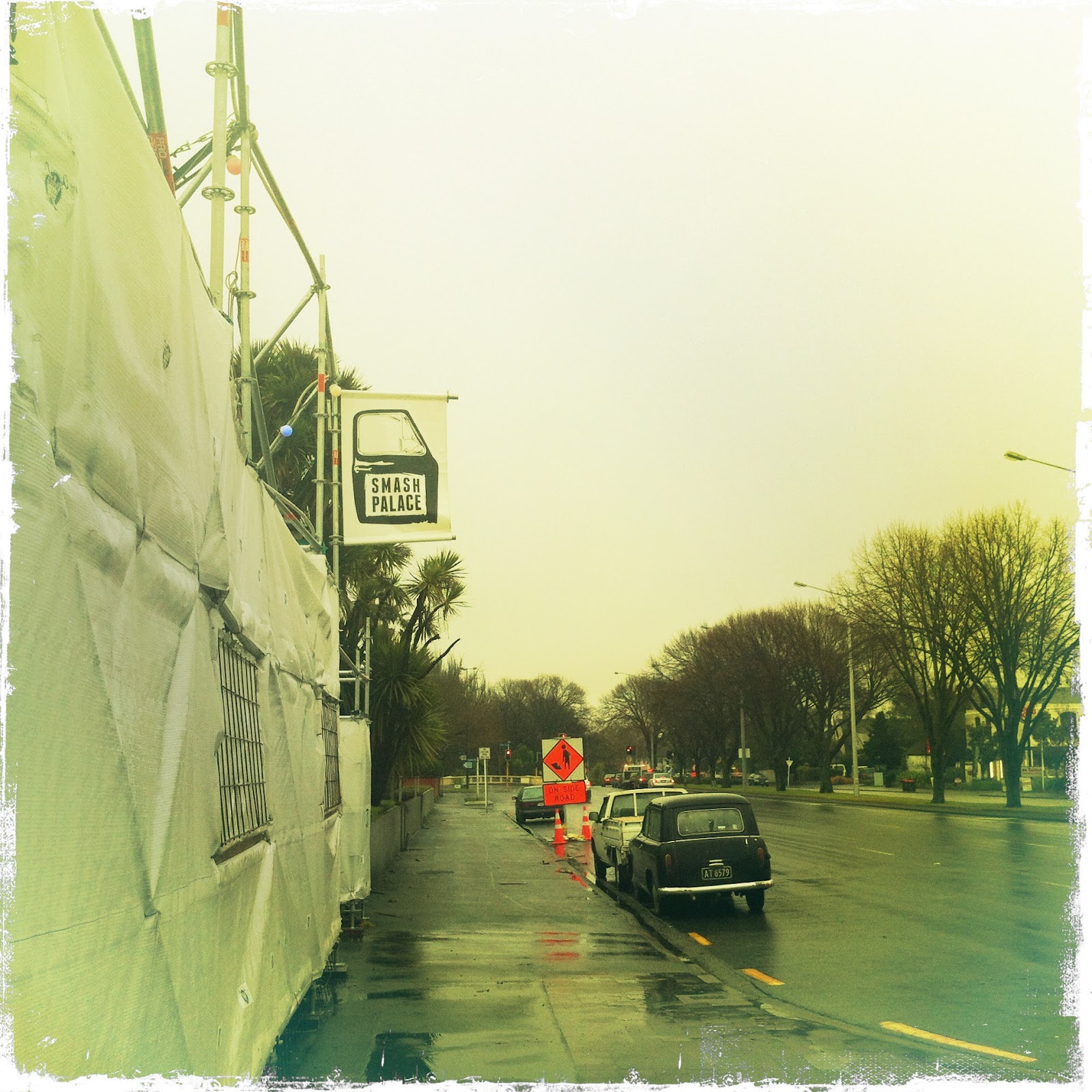
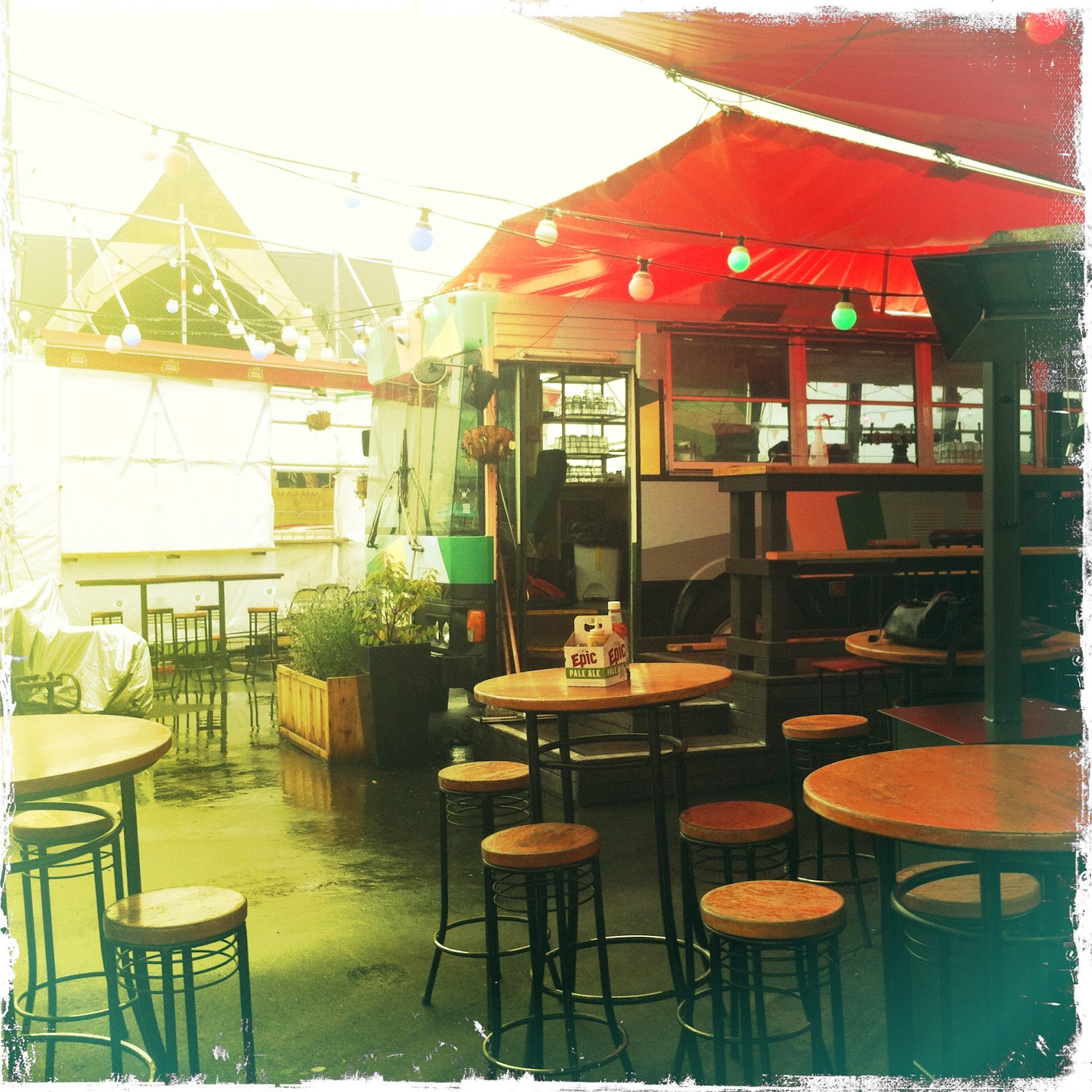
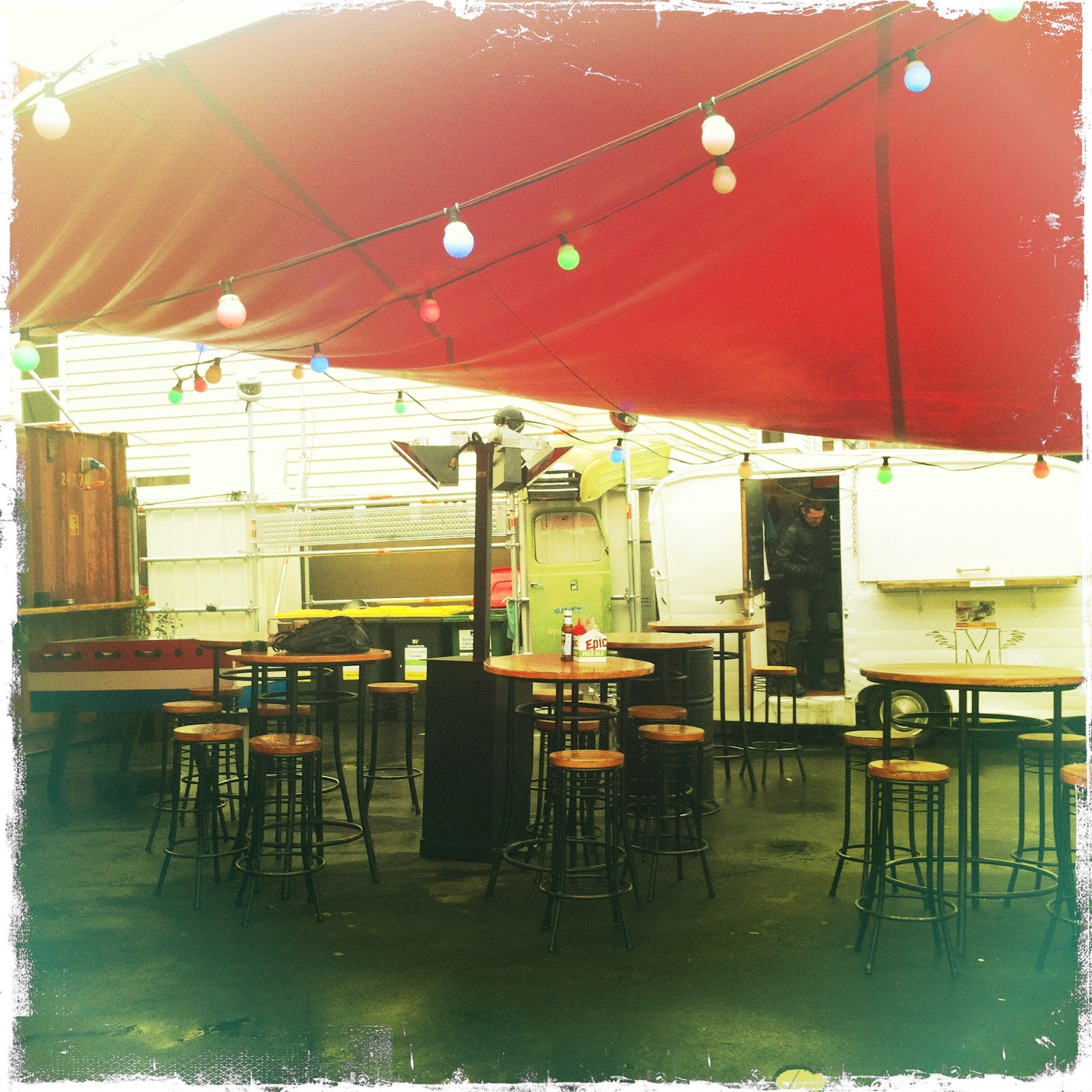
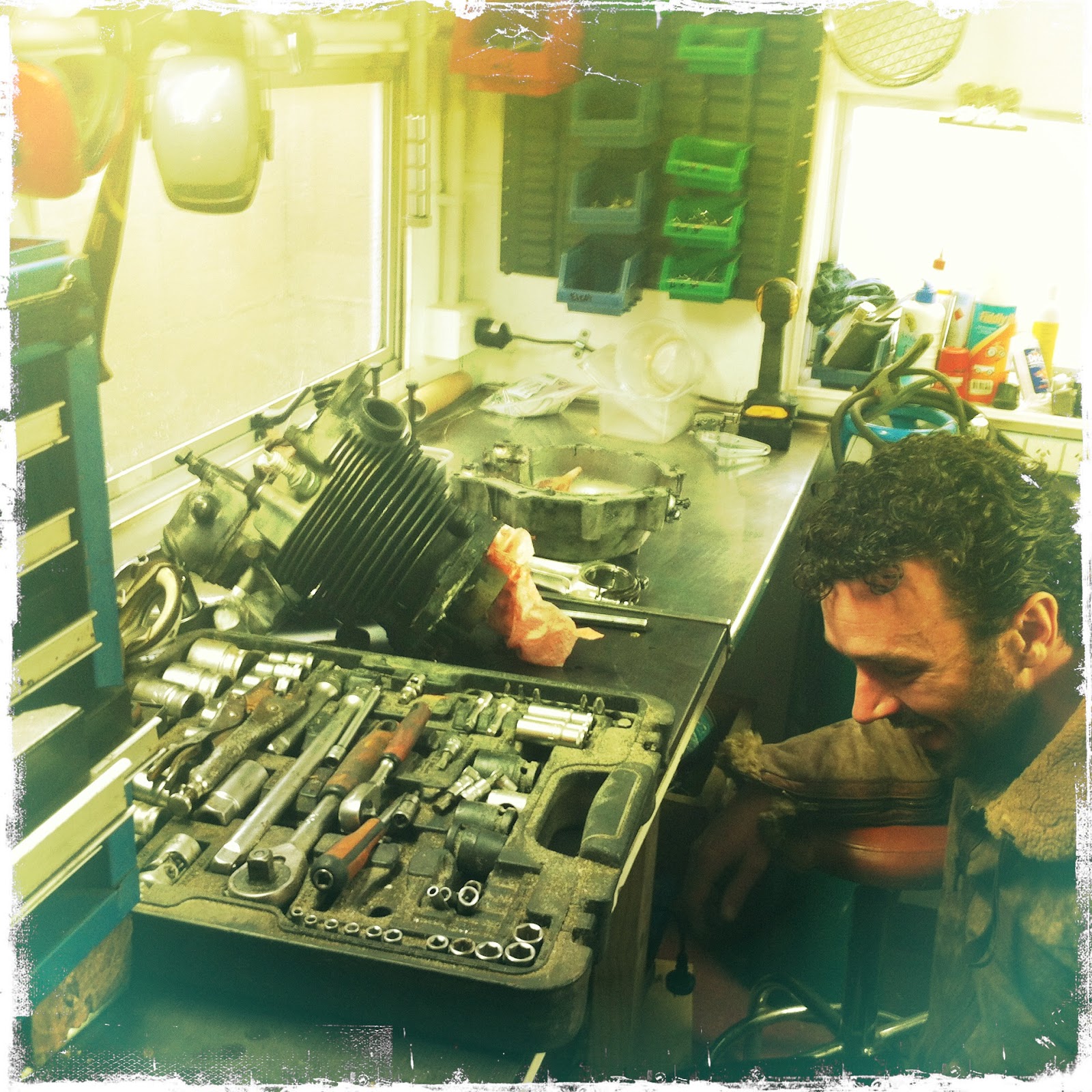
There’s plenty happening in Christchurch and I won’t hear a word to the contrary! So there’s no roof..there’s great coffee, good music, hot water bottles and you can get your motor repaired while you have a pilsener. Good job. http://thesmashpalace.co.nz/

Bull in a china shop

Artists will always find places to make and exhibit work, whatever the circumstances*. Christchurch is testament to this. Ruin and devastation seem to provide excellent backdrops or even springboards for art. To paraphrase Honors Sculpture student, Tim Middleton’s wise words at the conclusion of his 183 Milton Street domestic art space last September, “the phoenix rising from the ashes needed to be invigorated” and, from what I can see, there are now new spaces and ways of exhibiting work which underline an invigorating renaissance.
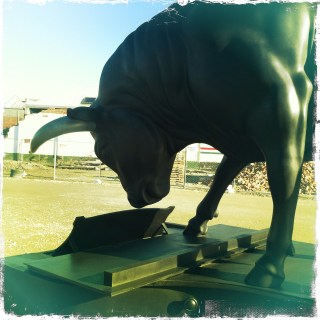
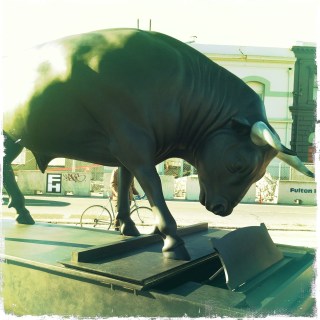
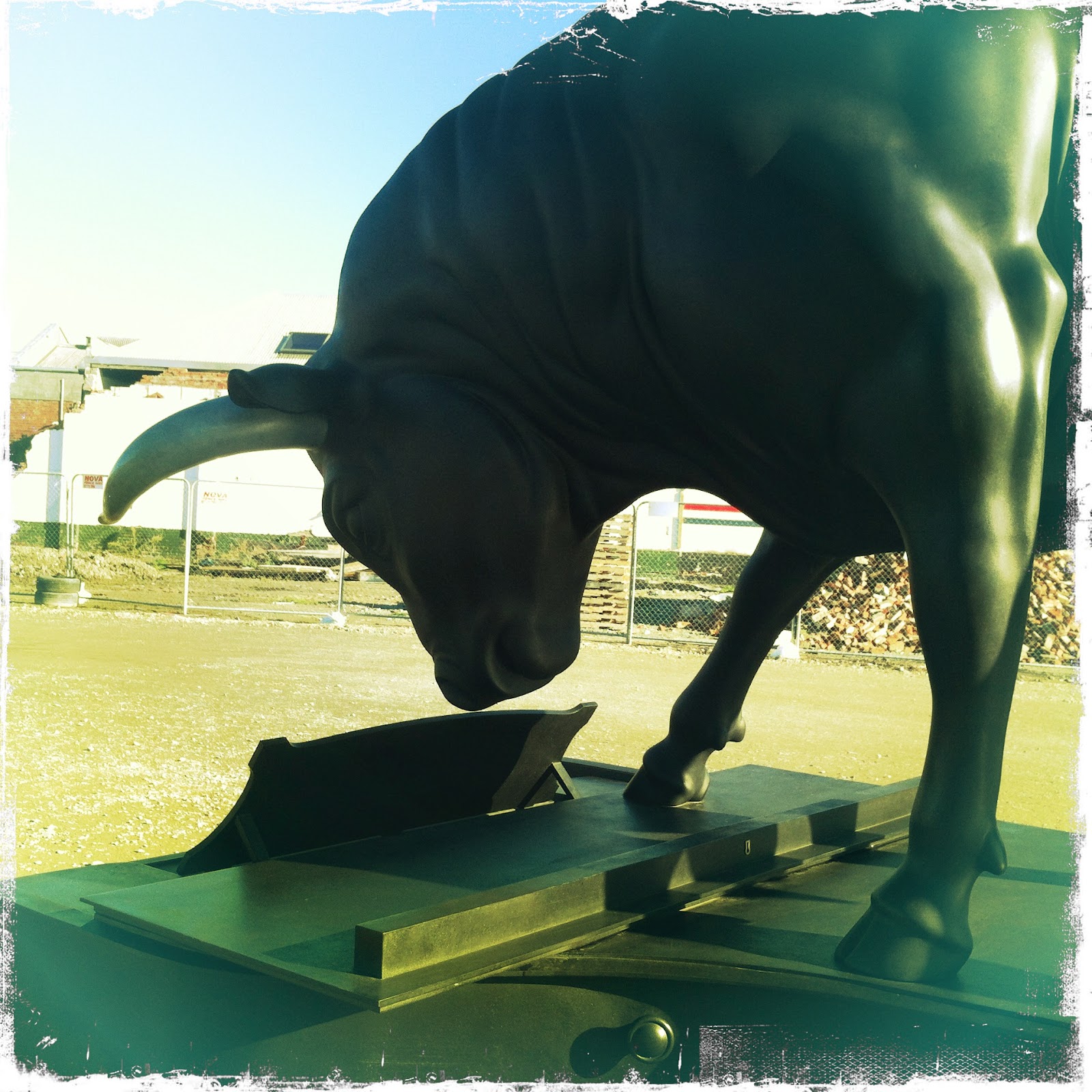
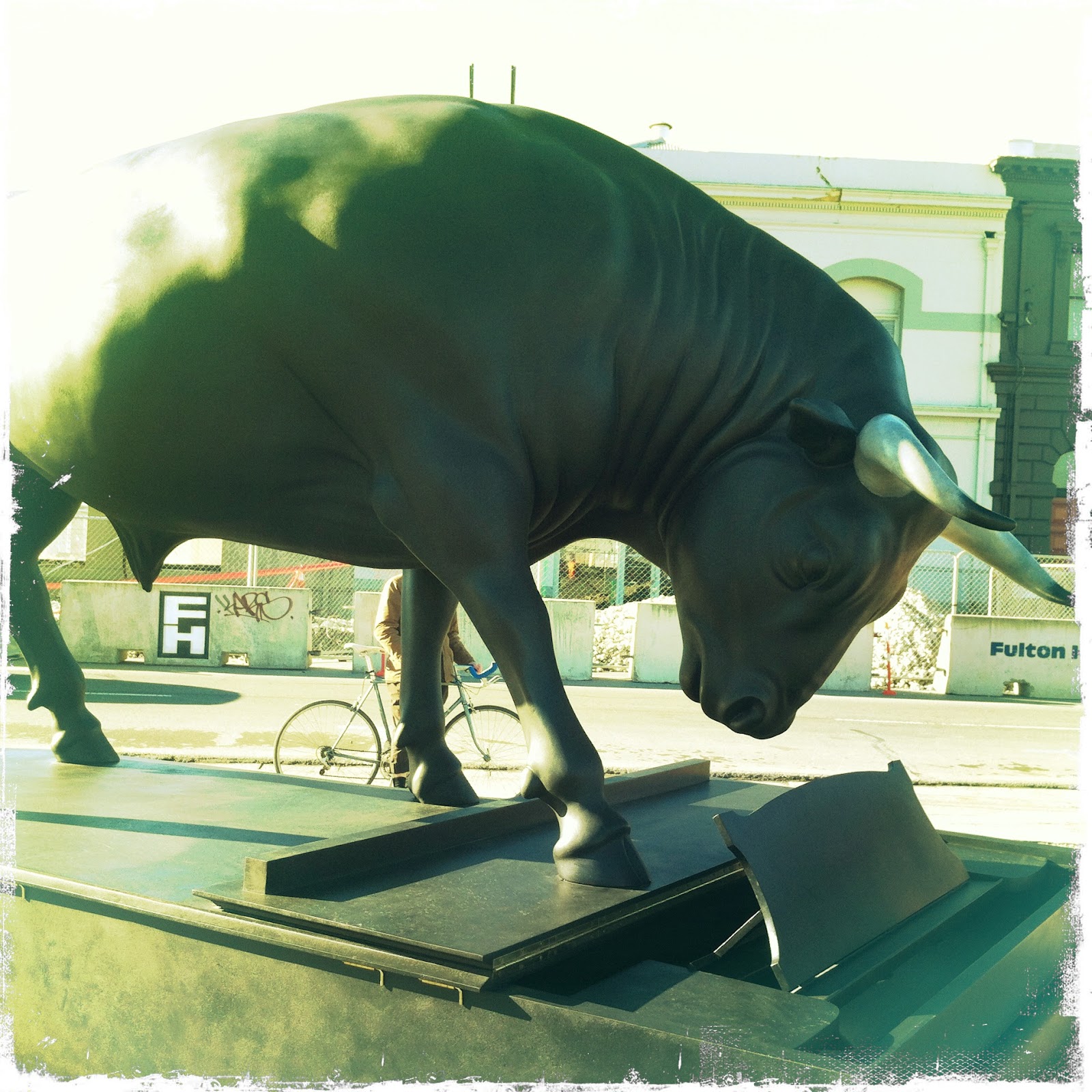
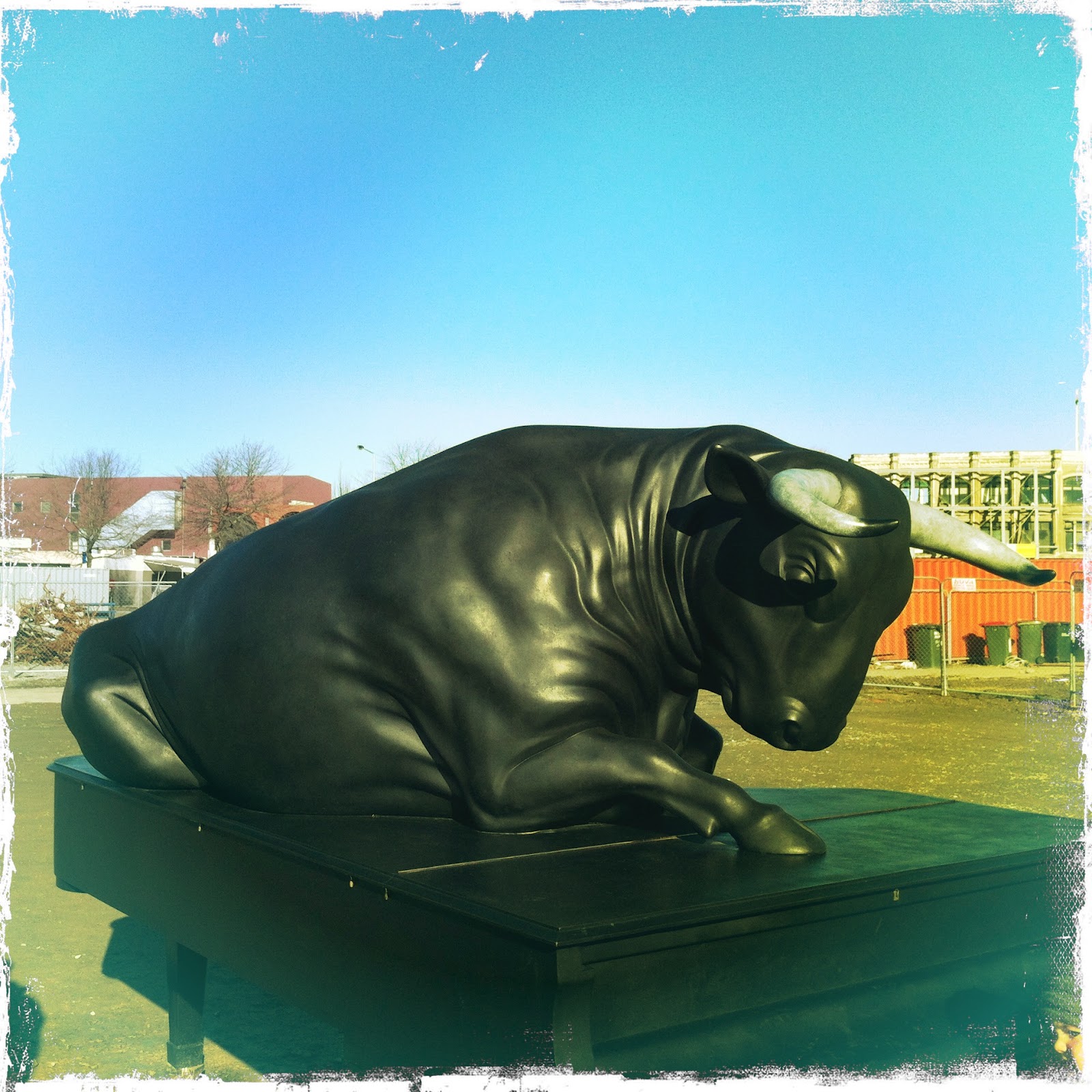
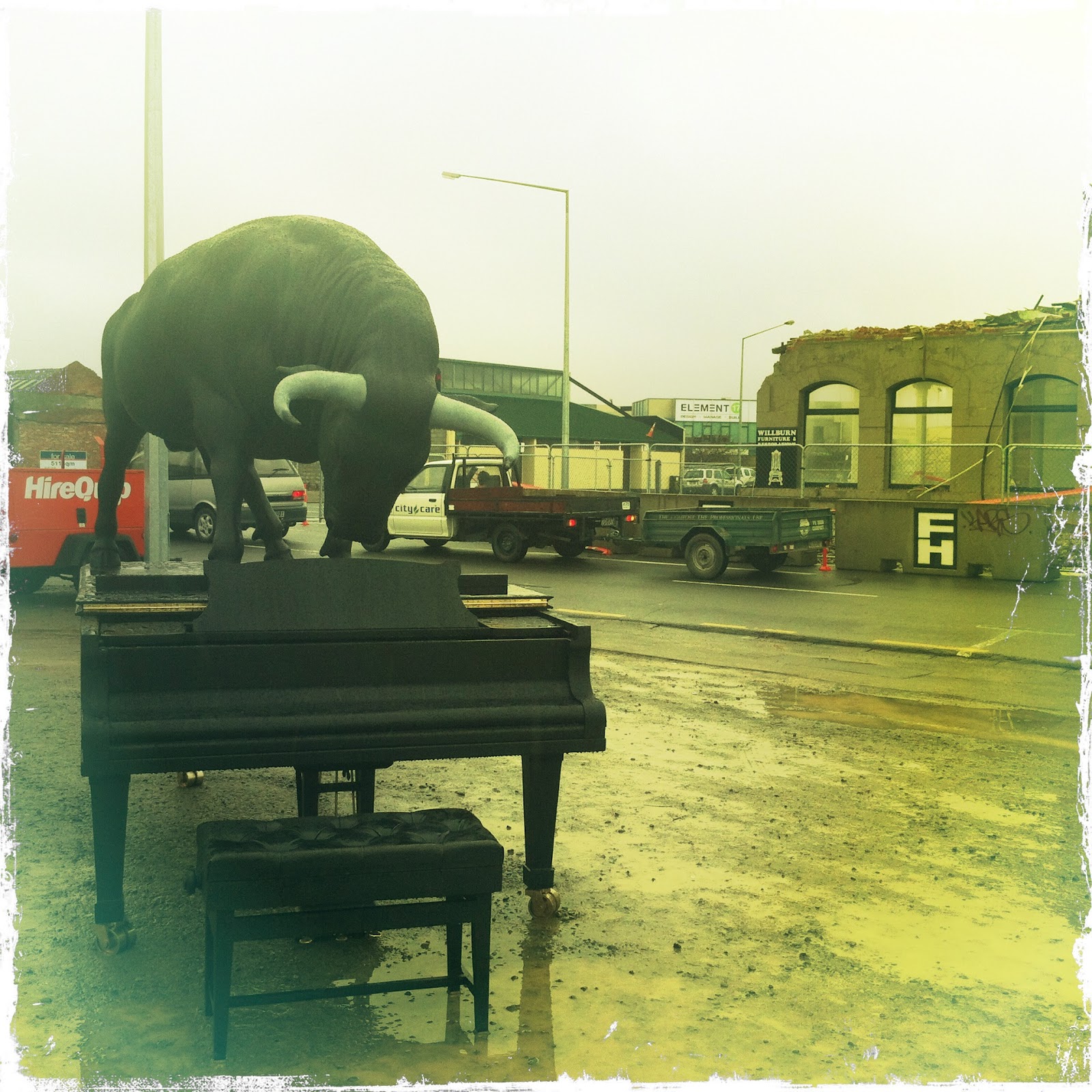
Since the first earthquake rocked the city in the early hours of the 4th of September, 2010, the region has been shaken by around 10,000 aftershocks, a pattern which has defied normal earthquake behaviour. The most significant of these was the earthquake that struck at 12.51 p.m. on the 22nd of February 2011. This event saw the loss of 182 lives and over 900 buildings in the Christchurch central city.    Despite the fact that many of the city’s art spaces, dealer galleries, and artists’ studios were destroyed in the earthquakes, creativity is still flourishing and finding its place in the broken city. Even the main Christchurch Art gallery, which served as Civil Defence HQ throughout the weeks and months following the devastating quake, has now been closed. But this has not stopped the art community. The latest phoenix is Michael Parekowhai’s On First looking into Chapman’s Homer. Fresh from Paris, and more impressively, perhaps, the 54th Venice Biennale, the two bronze grand pianos, each supporting a life-sized bronze bull, seem perfectly placed on a vacant lot against the backdrop of a broken cityscape. The exhibition, which takes its name from a poem by English Romantic poet John Keats, celebrates the emotional power of a great work of art, and the possibility of great art to evoke an epiphany in those who see it.
On First Looking into Chapman’s Homer
Much have I travell’d in the realms of gold,
 And many goodly states and kingdoms seen;
 Round many western islands have I been
 Which bards in fealty to Apollo hold.
 Oft of one wide expanse had I been told
 That deep-browed Homer ruled as his demesne;
 Yet did I never breathe its pure serene
 Till I heard Chapman speak out loud and bold:
 Then felt I like some watcher of the skies
 When a new planet swims into his ken;
 Or like stout Cortez when with eagle eyes
 He star’d at the Pacific — and all his men
 Look’d at each other with a wild surmise —
 Silent, upon a peak in Darien.
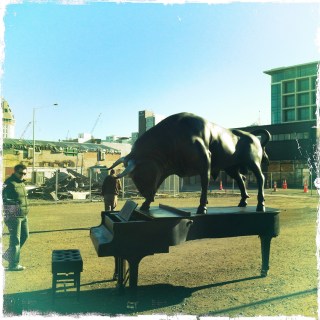
 

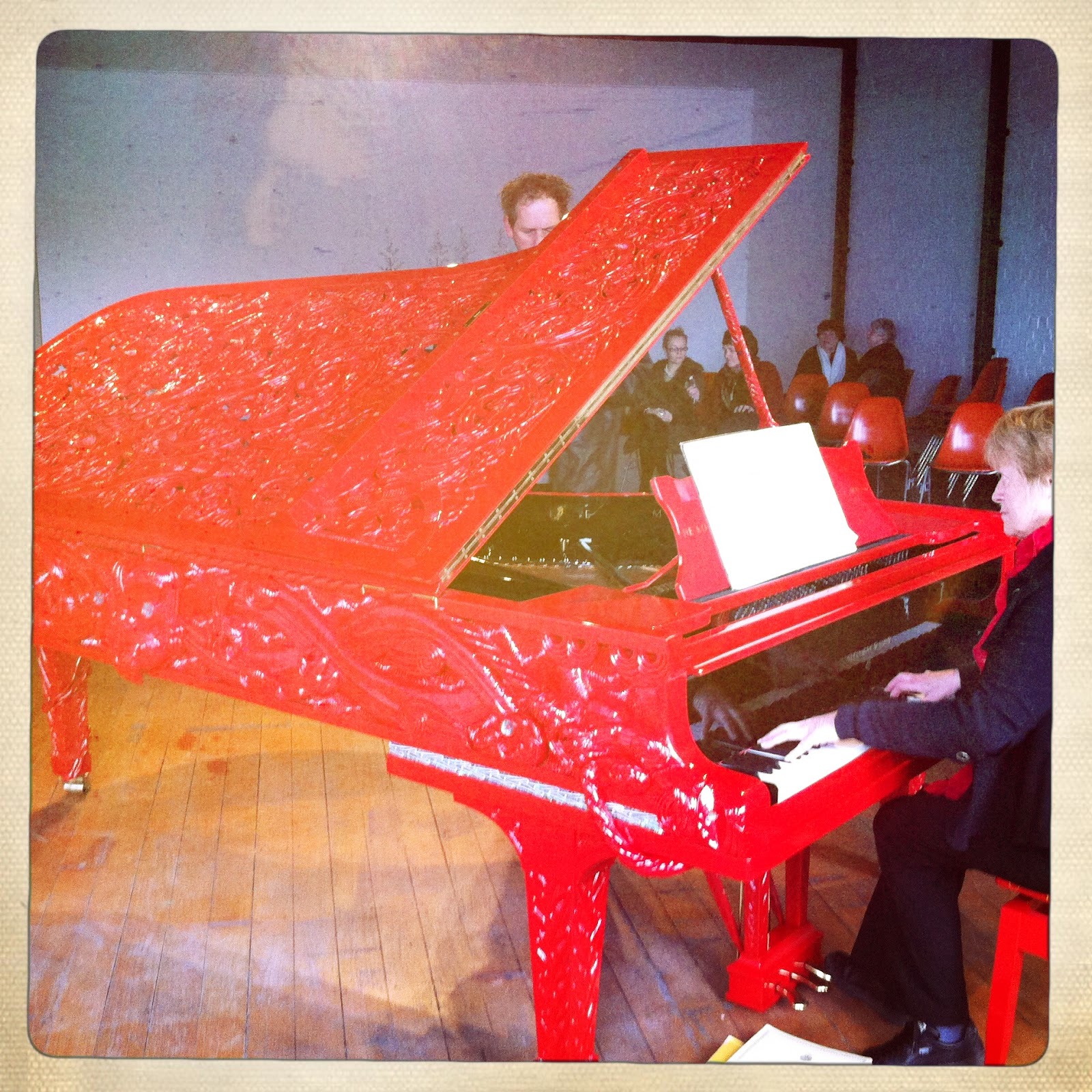
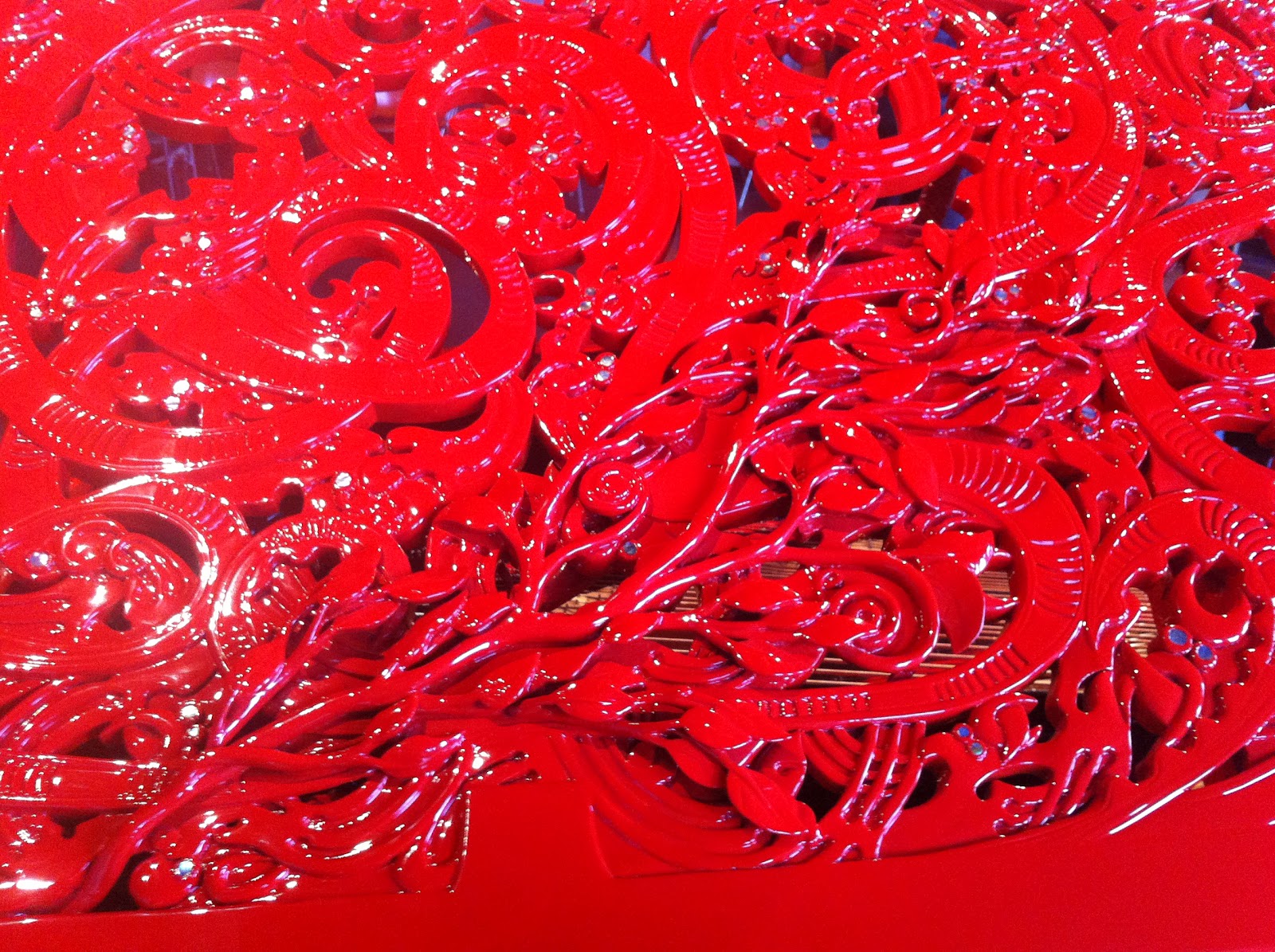
On the second storey of Ng Gallery and overlooking the bulls, are two more Parekowhai pianos. One, a beautifully carved red Steinway, He Kōrero Pūrākau mo Te Awanui o Te Motu: Story of a New Zealand river, and the other serves as a plinth of sorts for a stand of delicate bronze olive trees. The red piano echoes the collaboration going on outside the gallery in the greater city of Christchurch, as performance makes up an integral facet of its appeal. The music that comes from it is how it fills the space and creates or fills out its meaning.

*Warren Feeny, EyeContact, 22 September, 2011. 

Then felt I like some watcher of the skies

There is a news headline out there today saying “people” are likening Christchurch to Iran. I’m not sure who “people”, but whoever they are, they must be stupid. No. 1, it’s not a war zone and the city is not under fire or still in a state of siege, although some might dispute that. On further investigation, the actual article is about the Australian government warning to travellers to New Zealand. The article asks what do East Timor, Rwanda, Iran, Gabon, Christchurch and Lyttelton have in common?
They are all places, the Australian Government says, where travellers should “exercise a high degree of caution”. 

Wow. Yes, it’s a demolition site and there is damage to buildings, public infrastructure and essential services, but from what I can see, there is a lot that is good in place and there are also exciting things happening. The art community are collaborating on interesting projects. The hospitality industry is being creative in its approach and there is certainly a collective feeling of having survived and a shared desire to move forward. In actual fact, there is a sense of pride that people already are moving forward. Although the people of the last sentence are not the same from the first sentence of this entry.

Let’s forget all the things that we say

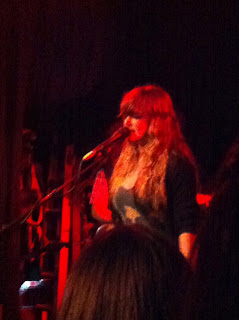
Julia Stone. At the Toff. I could have leaned over and touched her. There is something very exciting about seeing a musician live, on the stage, a metre away having listened to their albums over and over, the tracks forming the cinematic backdrop to many thoughts, journeys and nights at home on the red couch. And she was better than I expected even and so real and vulnerable and sincere, revealing her nerves and the story of missing out on the friend she realised she had fallen in love with. I wanted to have a cup of tea with her and talk some more.

All too soon it was over, the feeling of being caught in a spell, a moment outside of time, caught in the energy of Julia Stone.

http://www.youtube.com/watch?v=CoAKm69dU4M

Stone walls do not a prison make, nor iron bars a cage

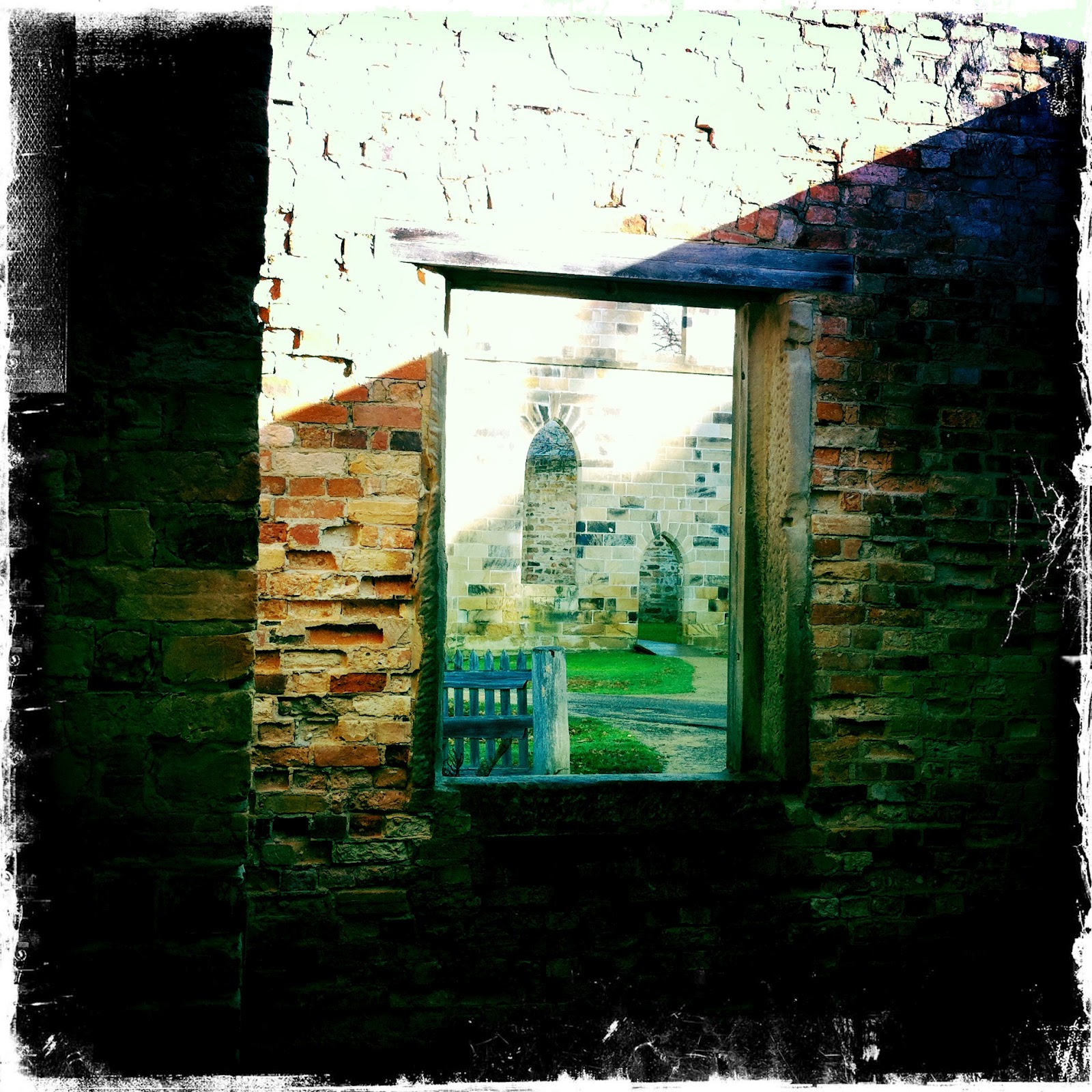
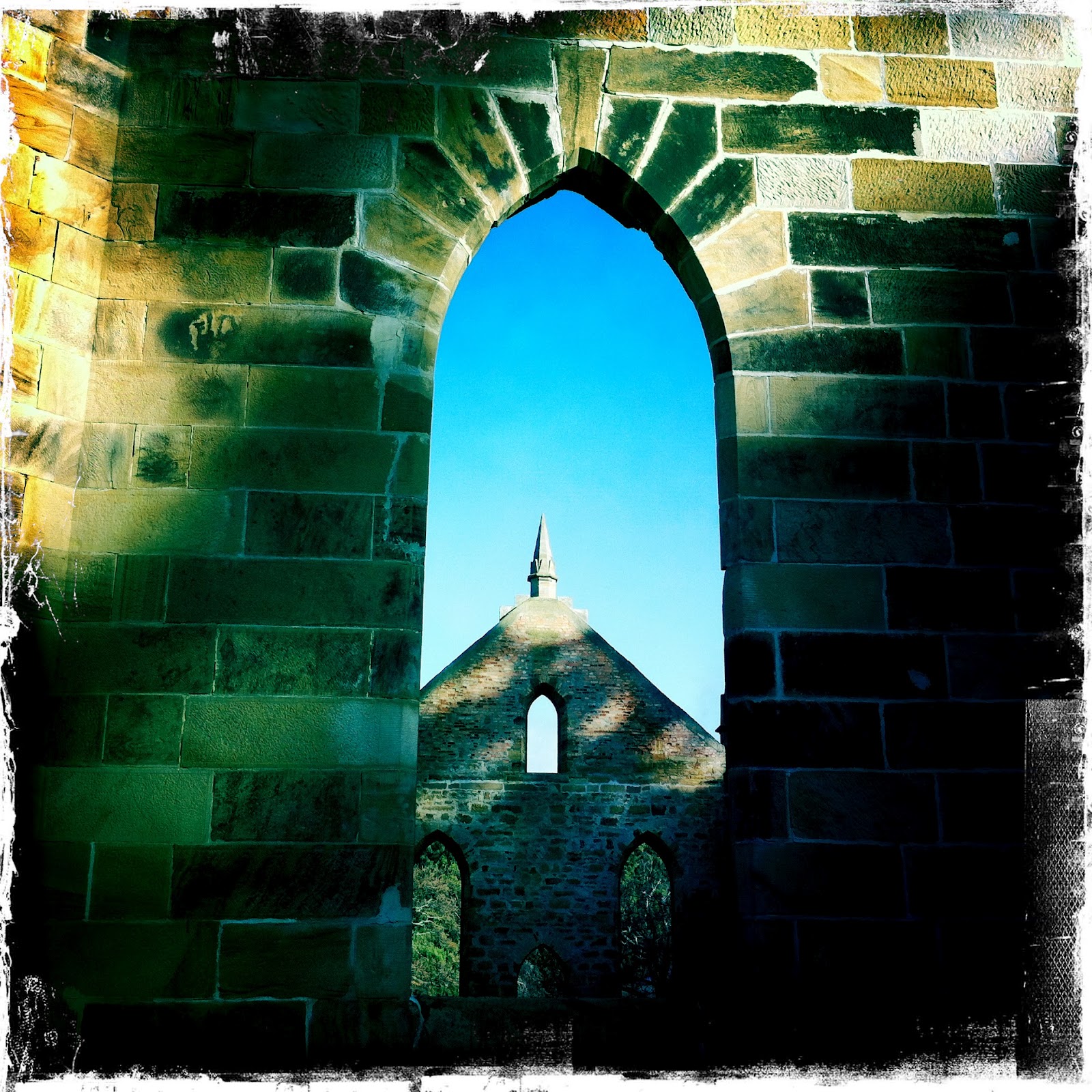
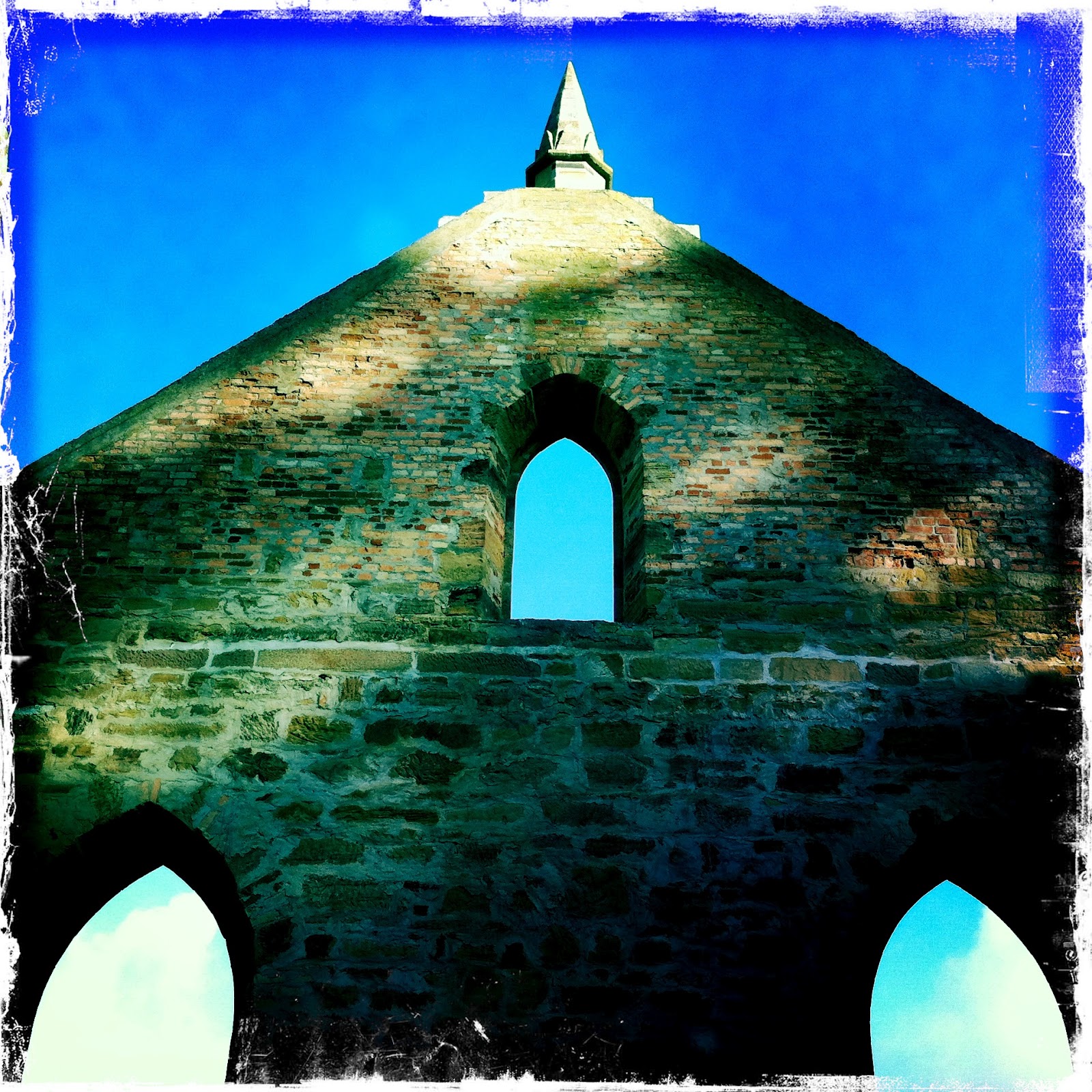
Port Arthur. 60 kilometres south-east of Hobart on the Tasman Peninsula. From 1833 to 1853, Port Arthur was home to some of Britain’s hardest criminals. It was the place they sent the convicts who had re-offended or who just would not ‘behave’. Port Arthur had some of the strictest measures of the British penal system. Port Arthur was an example of the Separate Prison type or ‘model prison’. This was based on theories put forward by Jeremy Bentham, an English author, jurist, philosopher, and legal and social reformer. The Separate Prison model signaled a shift from physical to psychological punishment. The idea behind it was that physical punishment such as whippings and beatings only hardened criminals and did nothing to reform them. The Separate Prison and its Silent System was supposed to allow time for the prisoner to reflect upon the actions which had brought him there. Prisoners were hooded and made to stay silent. Many of the prisoners in the Separate Prison developed mental illness from the lack of light and sound.

Walking around the property and exploring the buildings, the weight of the things that had gone before was palpable. The memories or the ghosts, perhaps, were almost like a presence.

I got a story for you – once you’re dead, you’re dead

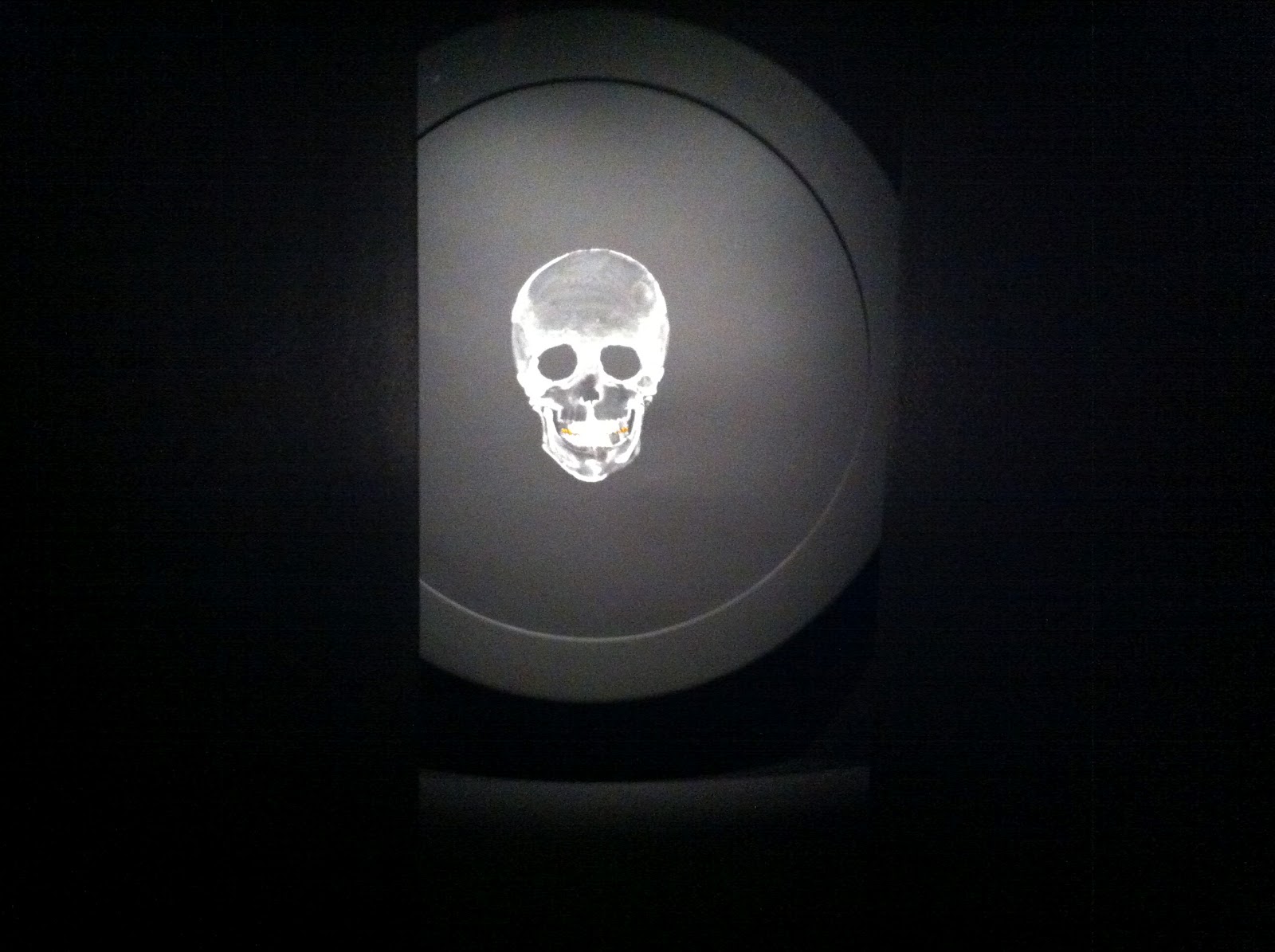
MONA – the Museum of Old and New Art. It is the largest privately funded museum in Australia. The museum presents antiquities, modern and contemporary art from the David Walsh collection. David Walsh described the new museum as a “subversive adult Disneyland.

I had to visit MONA twice. On Saturday afternoon I went for a preliminary visit and then I went back for more on Monday. It was sensory overload. I felt as though I’d stepped inside someone else’s head. You get given iPod like things which you out around your neck and which tell you on the screen about the artworks. Some of them have accompanying audio; interviews with the artist, the artist yodelling, music. There is also a summary of the work and extra articles that may have been written about them.


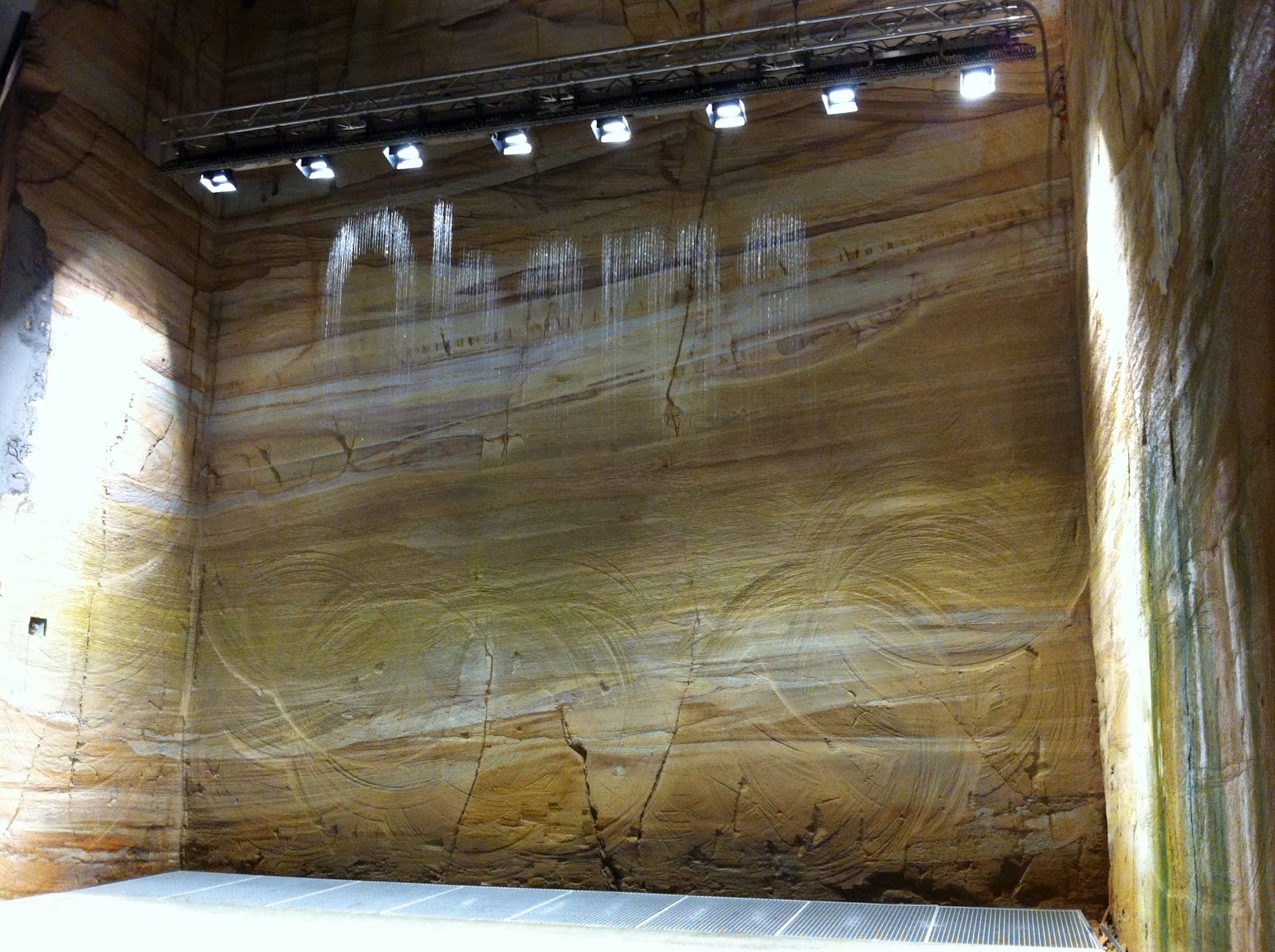
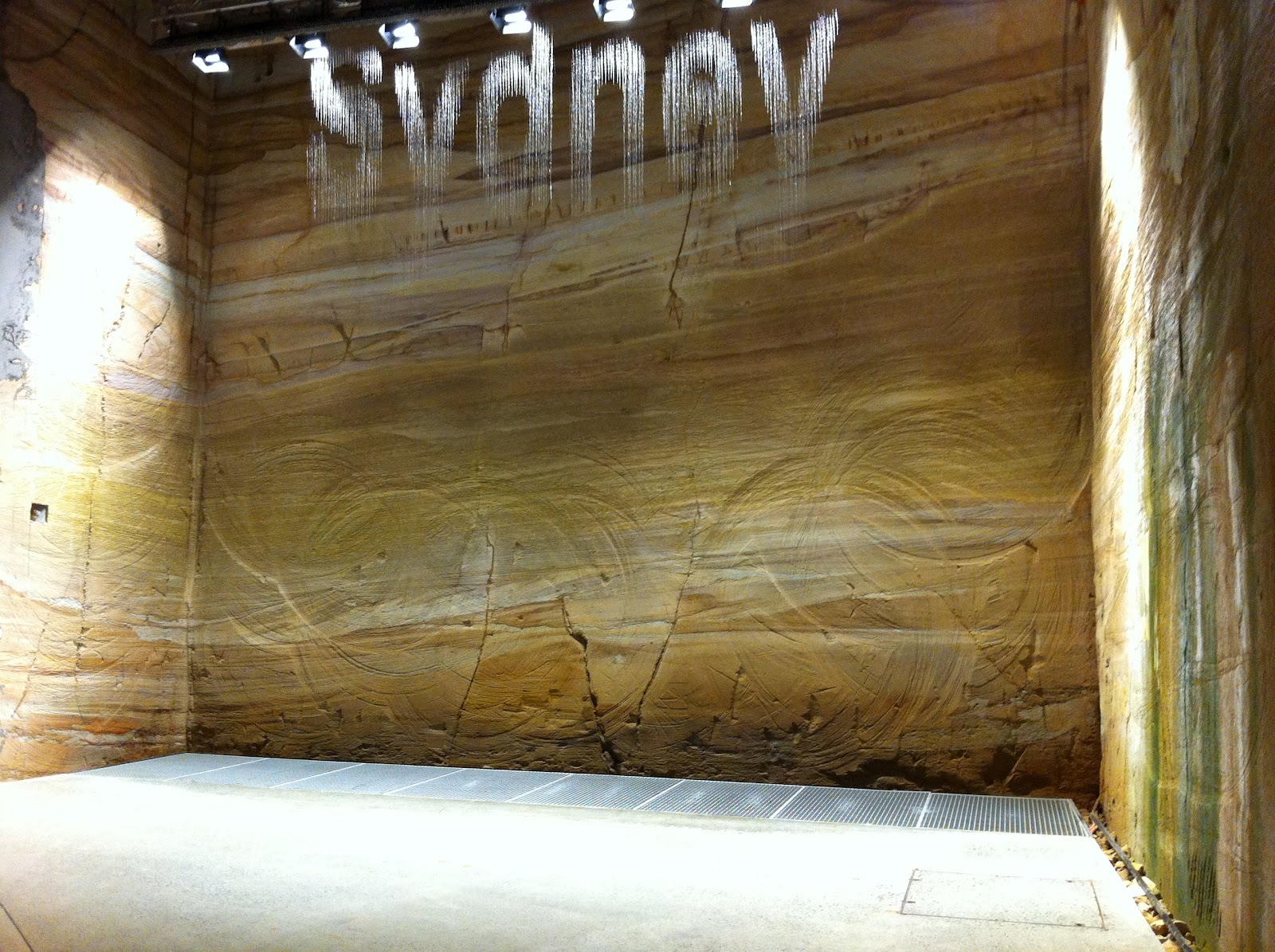
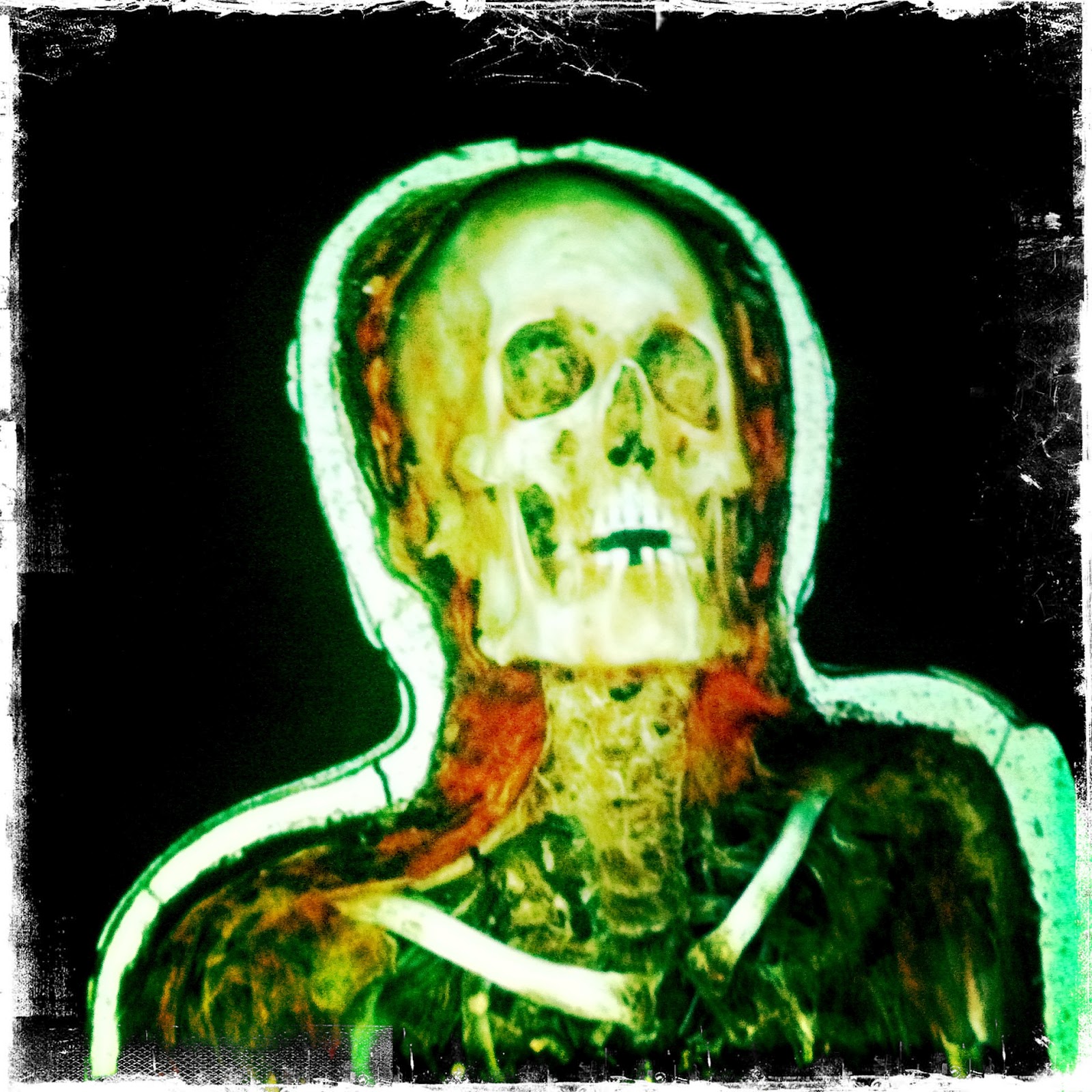
The Museum itself is an architectural masterpiece. It takes 30 mins from the Hobart pier down the Derwent river to Mona and suddenly it’s there on a promontory, distinctive for its red rusted effect.The building goes down into the bowels of the earth. And the suggestion is to take the spiral staircase down to the bottom and work your way up. There are a myriad of rooms and walkways and spaces and ‘hidden’ bits. And it is absolutely a mixture of old and new. Sarcophagus, Damien Hirst, a room devoted to very beautiful but foul-smelling science lab paraphernalia which was a ‘poo’ machine. There is sculpture, painting, photography, conceptual. I was overwhelmed and I loved it.

One of a kind

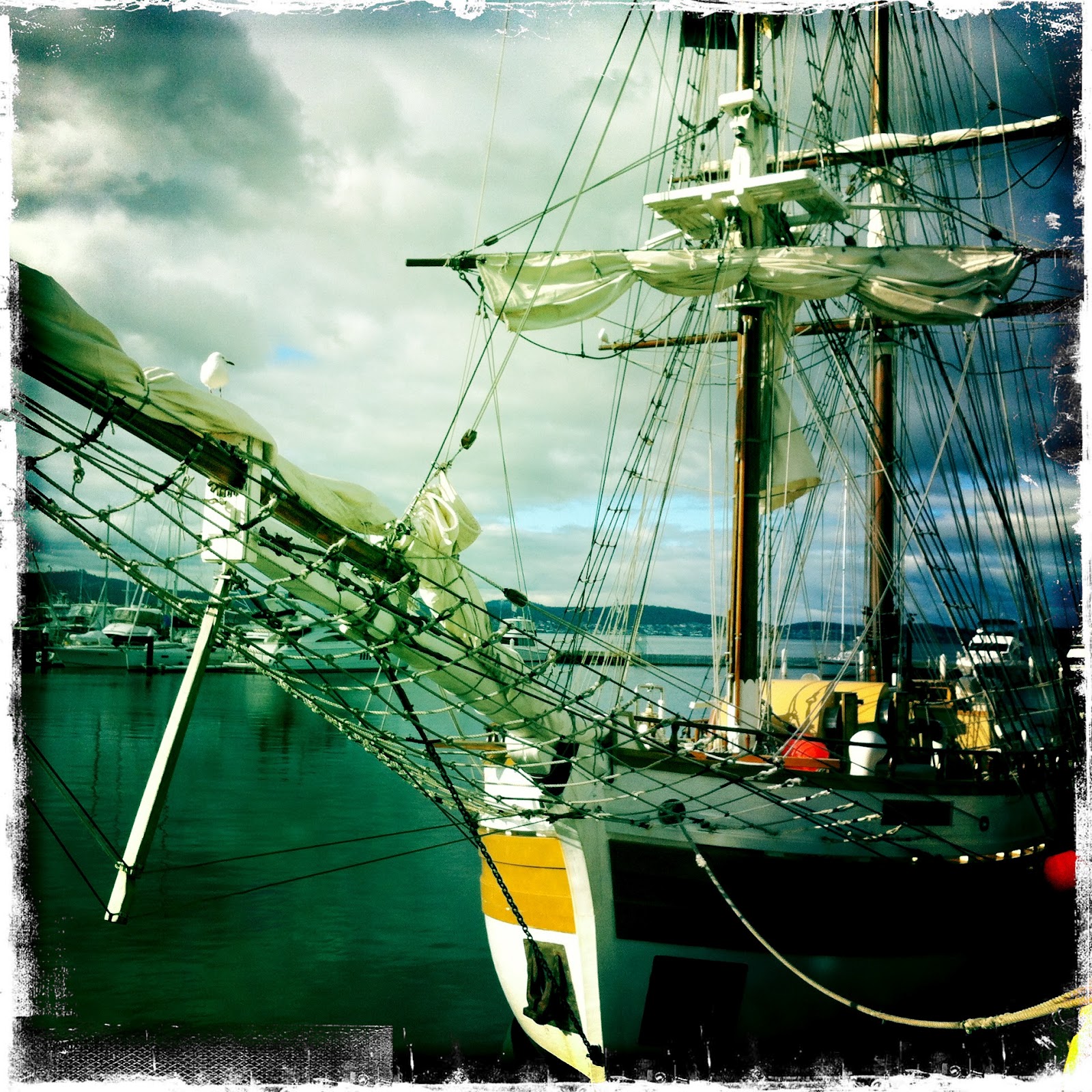
Hobart. Australia’s second oldest capital after Sydney.

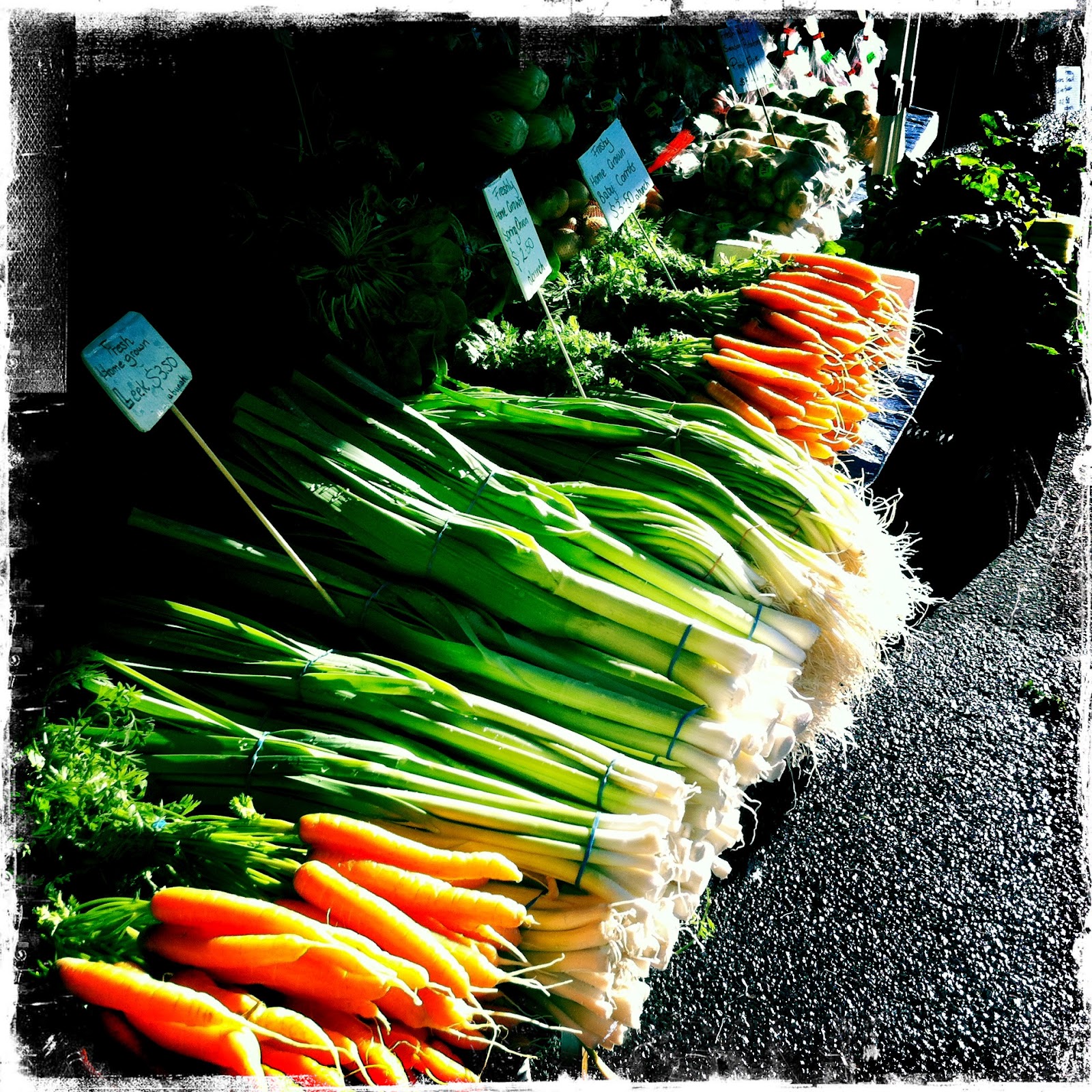
Blue sky, golden sunlight filtering through trees which are still holding on to their autumn raiment, sampling Tasmanian whisky at 10 o’clock in the morning at the Salamanca market, hearing French people chatting…Hobart turned it on for me, and I fell in love with it. Immediately. In that giddy sort of way, where there is a heightened sense of appreciation for life and everything just feels as though it has fallen into place. That’s what I felt in Hobart. I’m pretty sure I spent the whole weekend walking around with a big smile.

For me, Hobart was about all five senses. I felt as though I was constantly assailed by experiences which swept in, filled me up and left me feeling all the more rich for having had that experience.

I had my list of Things One Must Do When In Hobart and there was a lot of ticking going on.

Tasmanians feel a little like New Zealanders in their pride for the uniqueness of their state. The stunning landscape, the crisp golden light, the food and the wine are all reason to be proud.

Mark Twain, the American novelist, travelling through the colony on a lecture tour, arrived in Hobart in 1895:

‘Suddenly Mount Wellington, massive and noble like his brother Etna, literally heaves in sight, sternly guarded on either hand by Mounts Nelson and Rumney; and presently we arrive at Sullivan’s Cove – Hobart. It is an attractive town. It sits on low hills that slope to the harbour – a harbour that looks like a river, and is as smooth as one. Its still surface is pictured with dainty reflections of boats and grassy banks and luxuriant foliage… How beautiful is the whole region, for form, and grouping, and opulence and freshness of foliage, and variety of colour, and grace and shapeliness of the hills, the capes, the promontories; and then, the splendour of the sunlight, the dim rich distances, the charm of the water-glimpses!’

I wish I had said that. But Mark Twain got there first. 

The architecture of happiness

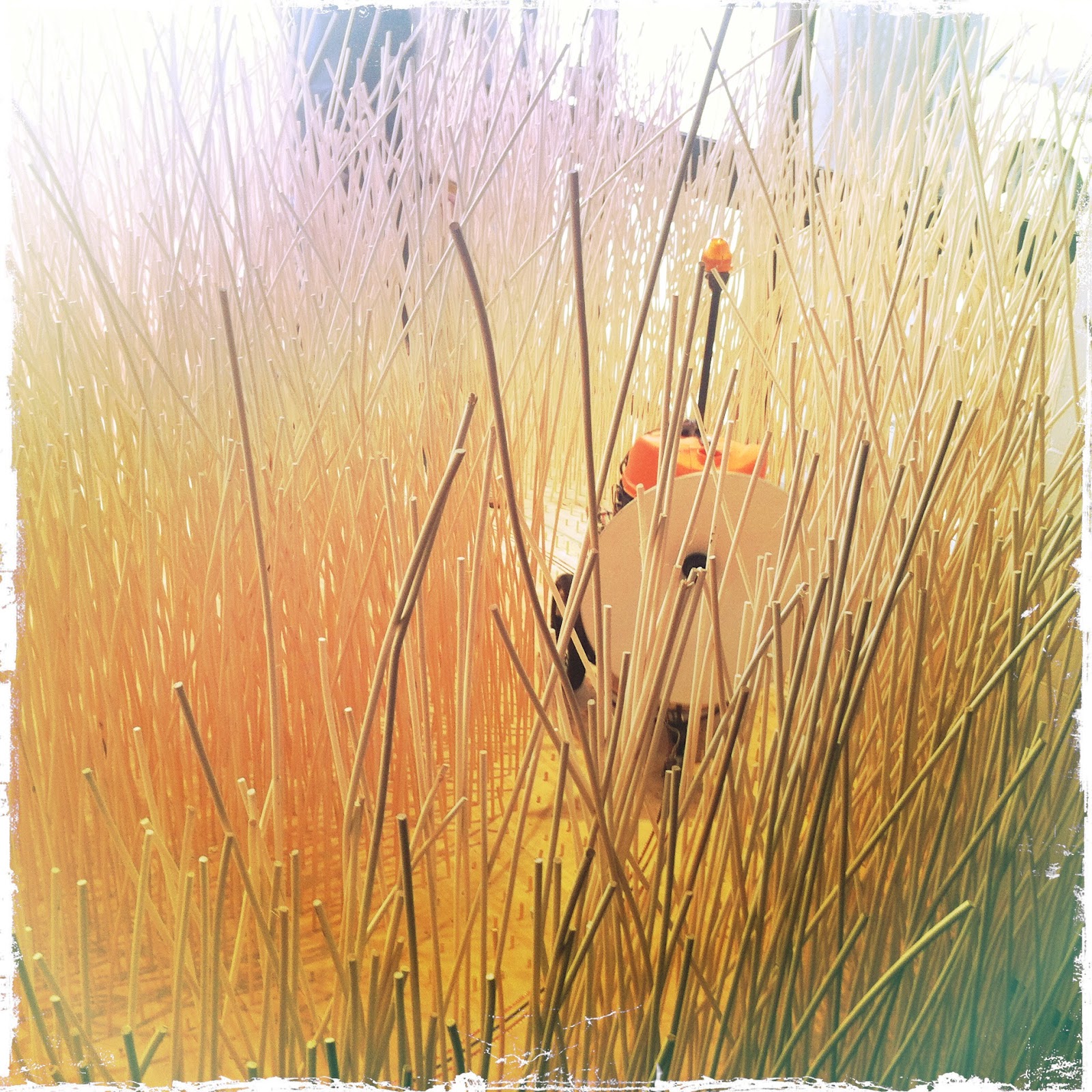
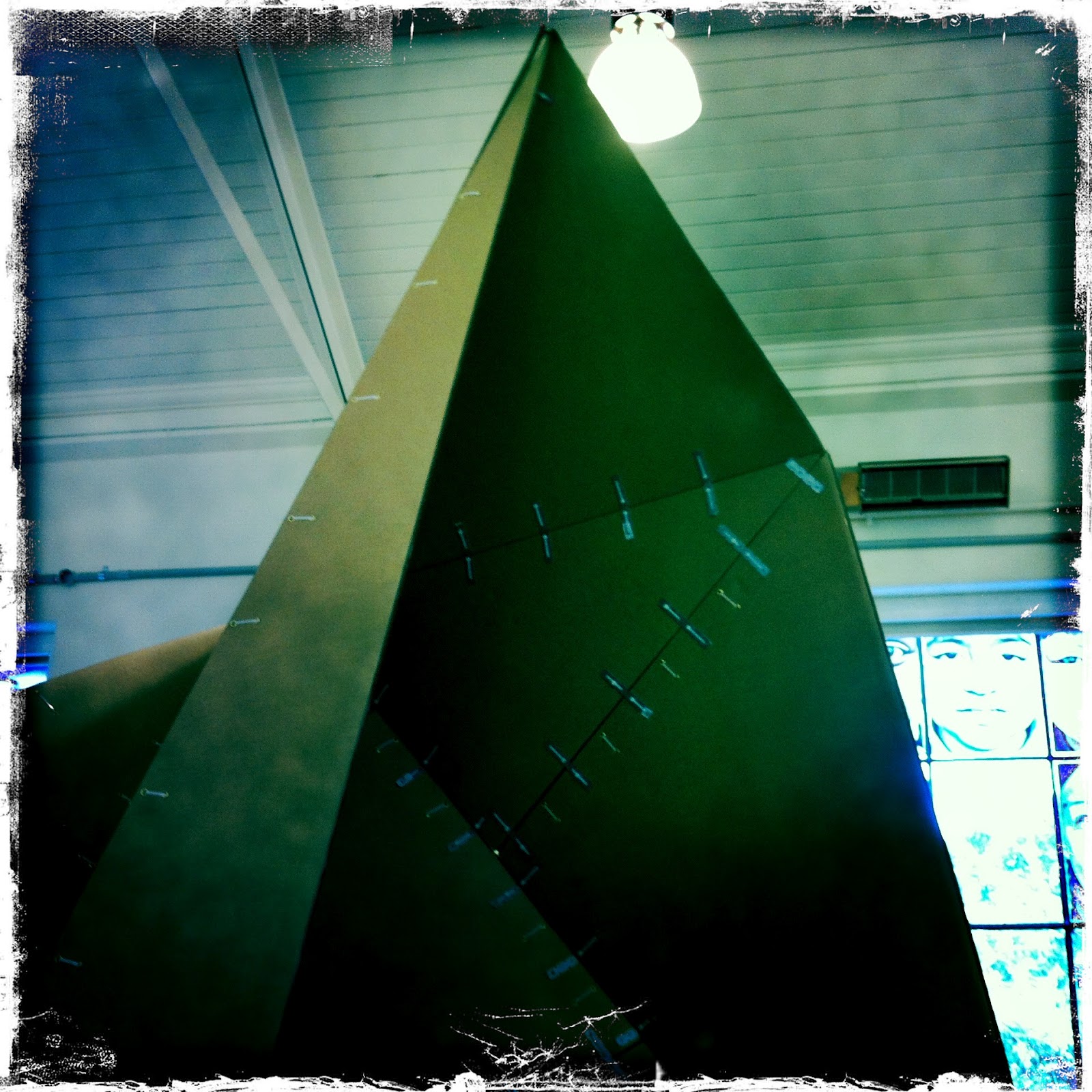
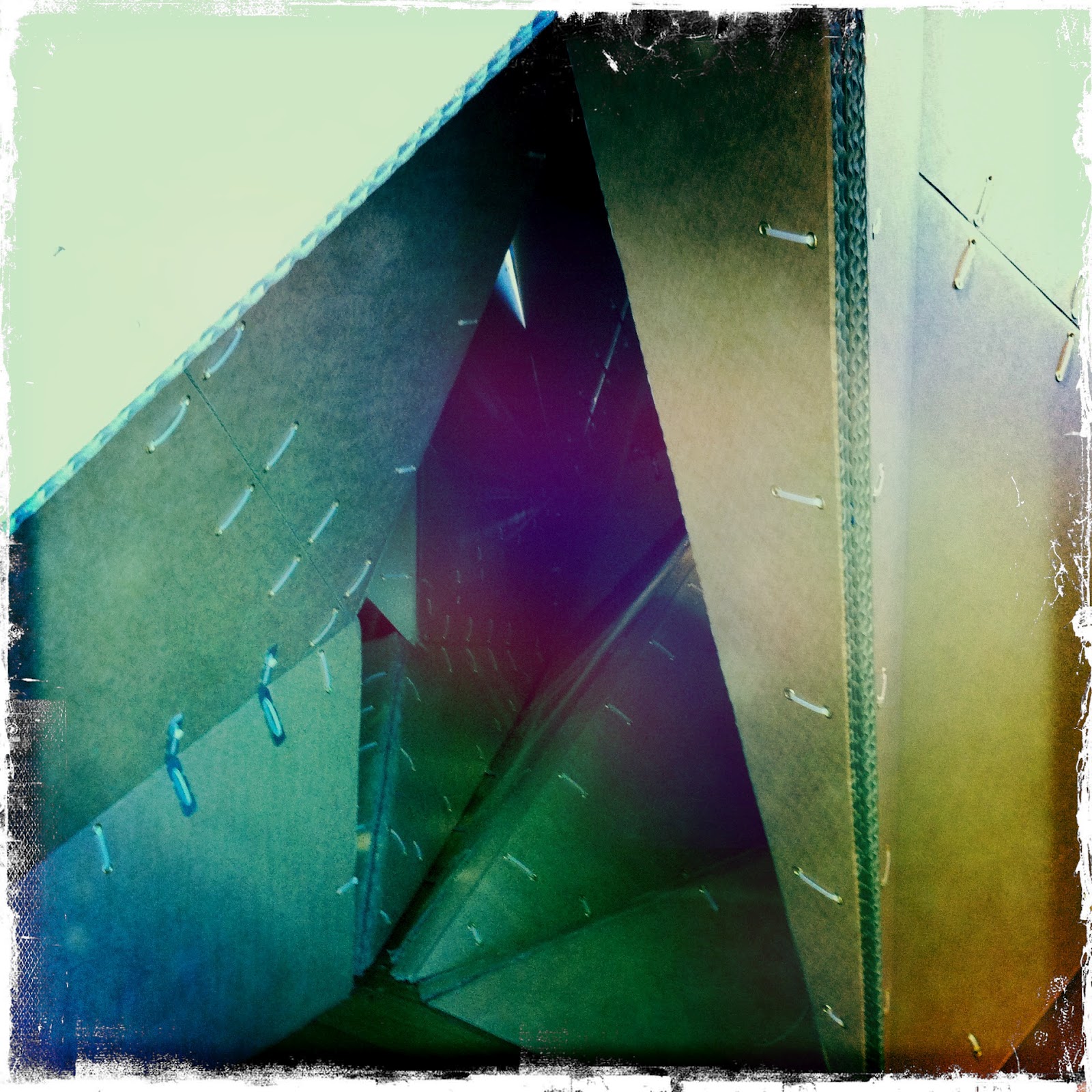
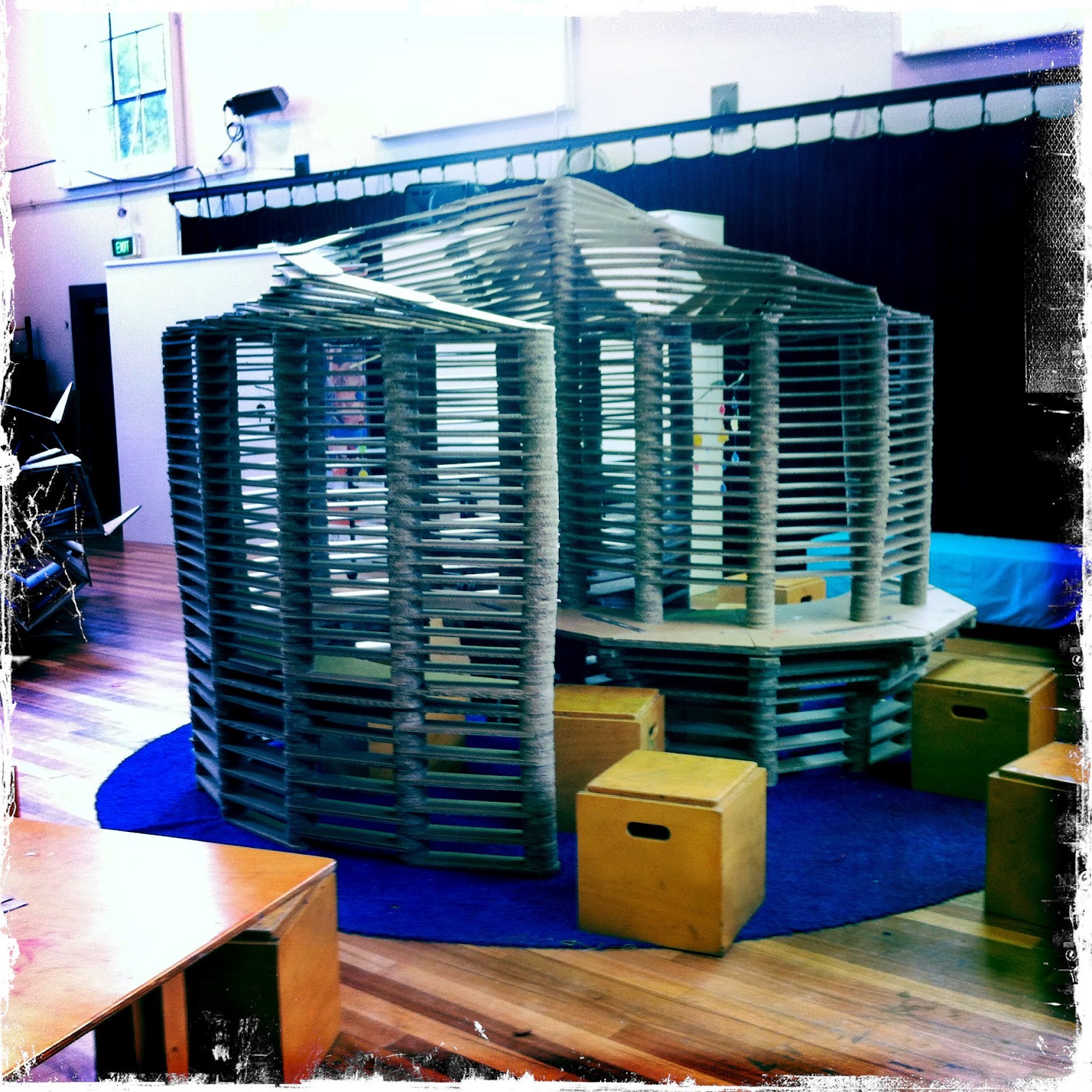
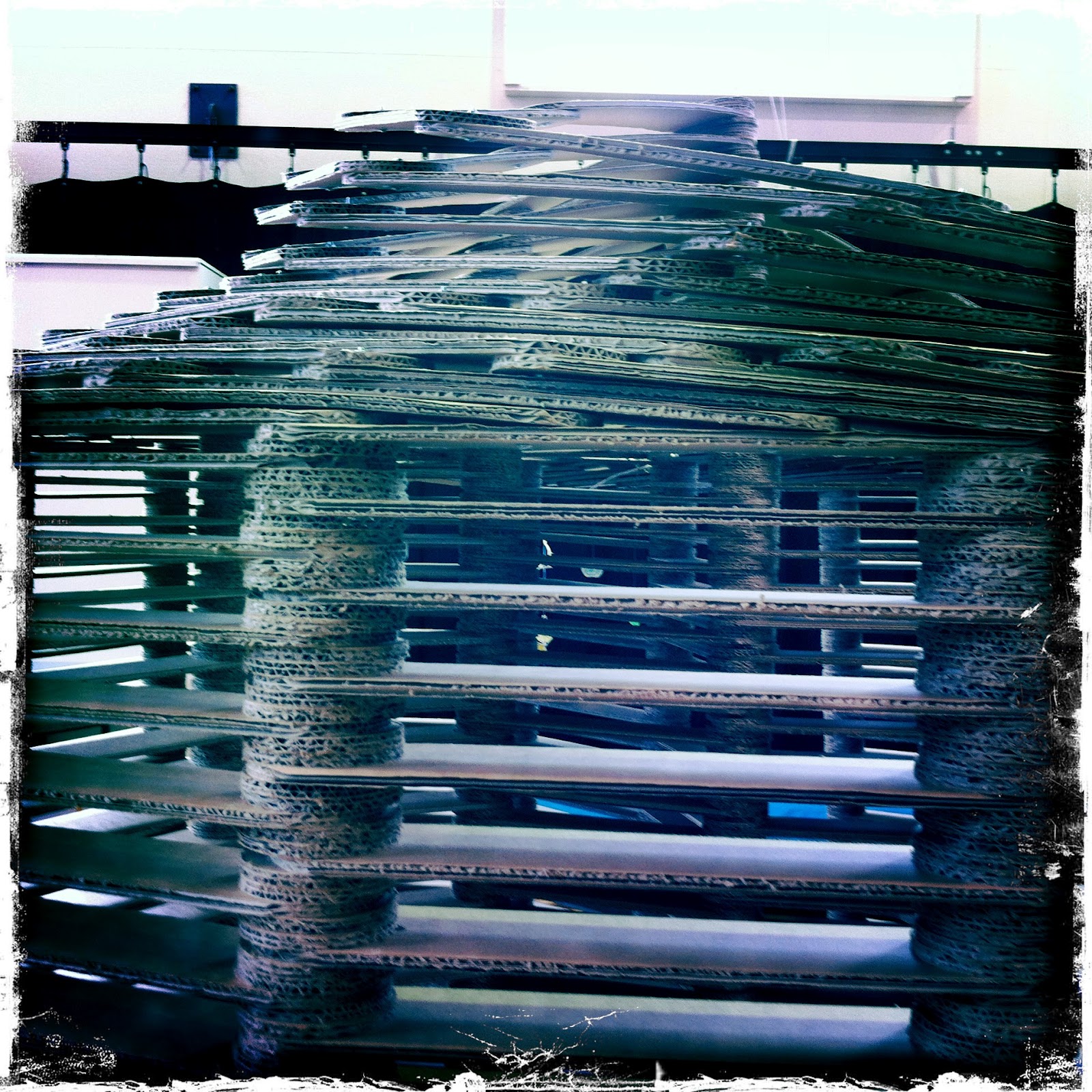
Cardboard is the new black. First year students from the Department of Architecture at Monash University transform cardboard into amazing structures at Artplay on Birrarung Marr. Perhaps Shigeru Ban’s proposed cardboard cathedral for Christchurch is the way to go…