being a princess

My four year old niece’s birthday was a flurry of pink and tulle and several plastic silver crowns, and princess make up and fairy-ness. And my niece loved it. 

She knows about princesses and fairies. Contrary to the views and encouragement of her down-to-earth parents, she has embraced the pinkest of pink, barbies, princesses, dresses that twirl, and blonde stereotypical beauty. She can’t help it. It is everywhere in the world.

And we might feel upset at our modern age and the way beauty is dictated to us, but it really is an age-old problem.

We have always been assailed by ideal beauty.

Back in 1210, Geoffrey of Vinsauf, when writing his Poetria Nova, had already tired of the stereotypical descriptions of beautiful women and offered his new amplified version, the head-to-toe appraisal:

“If you wish to describe womanly beauty:

Let Nature’s compass draw the outline of the head; let the color of gold gleam in the hair; let lilies grow on the lofty forehead. Let the eyebrows equal black whortleberries in appearance; let a milky way intersect the twin eyebrows; let restraint rule the shape of the nose, lest it fall short of, or exceed, the proper bounds. Let the sentinels of the forehead gleam from both sides, twin little eyes with emerald lights, like a constellation. Let the face be like the dawn, neither rosy nor white, but of both and neither color at the same time. Let the diminutive mouth shine forth like a half circle; let the swelling lips be moderately full, and red, fired with a mild flame. Let order join together the snow-white, even teeth. Let the savory odor of the mouth be like frankincense; let Nature, more powerful than art, polish the chin smoother than marble. Let the milky supporting column of the head, of exquisite color, raise the mirror of the face on high; from the crystalline throat let there proceed a certain splendor which can strike the eyes of the beholder and steal the heart. By a certain law let the shoulders be similar, neither sloping nor rising but resting in a straight line. Let the upper arms, as long as they are slender, be enchanting. Let the fingers be soft and slim in substance, smooth and milk-white in appearance, long and straight in shape: in them let the beauty of the hand shine forth. Let the snowy bosom present both breasts like virginal gems set side by side. Let the waist be slim, a mere handful. I will not mention the parts beneath: here the imagination speaks better than the tongue. But let the leg show itself graceful; let the remarkably dainty foot wanton with its own daintiness.”

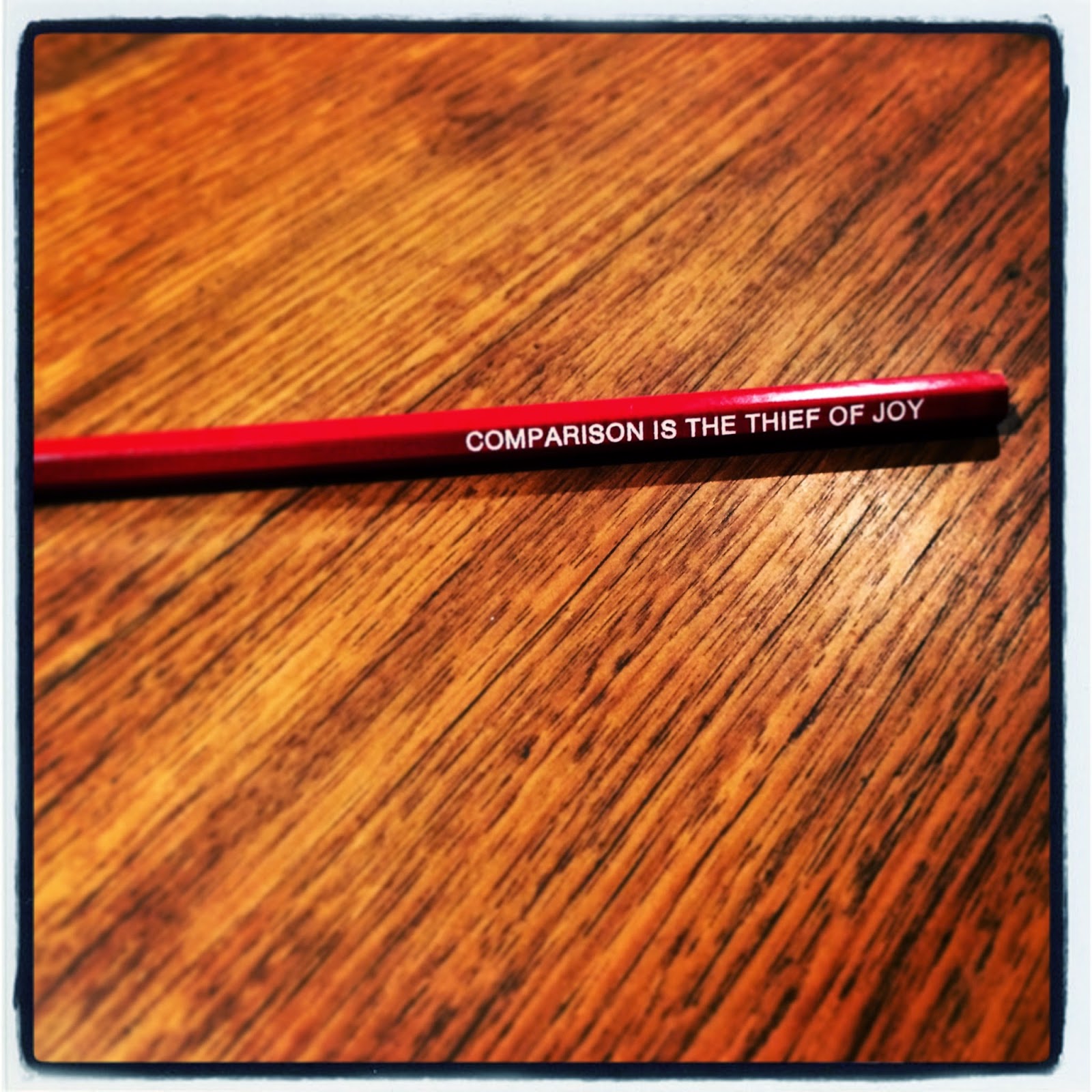
Wow. It is hard not to let comparison be the thief of joy when reading this. And this was written 800 years ago.

600 years on and the Brothers Grimm came up with the tale of Snow White. A tale of vanity and desperation.

The Queen wants to be the most beautiful woman ever. The mirror has been a faithful friend and made her feel good about herself for quite some time. That is, until Snow White, the Queen’s step-daughter, blossomed.

Now, Snow White was hot. And hotness goes a long way. When the Queen asked a huntsman to take Snow White out into the woods and kill her, of course he didn’t. She was way too hot for that.

So she wandered around for a while, indulged in some breaking and entering, helped herself to food and drink and fell asleep in someone else’s bed. When the owners, seven small men, came home and discovered her, all was forgiven. 

Because she was hot.

So she lived with them. They warned her not to open the door to anyone, given her recent brush with death. And off they went to work.

When there was a knock at the door, Snow White answered it, bought the random lace bodice that the old pedlar woman just happened to be selling way out in the middle of a forest, let the woman pull the bodice strings so hard, that she couldn’t get air and fainted.

When the seven small men came home, they revived Snow White and reiterated how important it was not to open the door. And the next day they went off to work again.

Once again, there was a knock at the door and Snow White opened it, was enchanted by a comb that another random pedlar was selling her, stuck it in her head, was poisoned and fell to the ground again.

More reviving by the seven dwarfs who spoke very slowly to Snow White, adamantly telling her NOT TO OPEN THE DOOR.

And yet the following day, Snow White, hot, yet clearly stupid, once again opened the door, because she really wanted the apple the newly random pedlar lady was offering. This time, the seven small men did not get home in time. Snow White was dead.

Clearly, the best thing to do with a dead hot girl is to place her in a glass coffin on top of a mountain so everyone can see her hotness and mourn its loss.

Luckily it was glass because when a prince, who also happened to be hot, and just happened to be passing, saw her, he immediately reacted the way anyone would upon seeing a hot dead girl, he kissed her. Which brought her back to life. And they got married even though they had only just met, and lived happily ever after, which is never explained in these stories, completely ditching the seven small men who had looked after her until that point.

So what we learn from this and from other fairy tales, like Cinderella, The Little Mermaid and, in fact, modern chick flick fairy tales is that beauty is essential. Intelligence is not. Beauty wins hearts and wealth and ends in marriage. To a man. And that has to be what we all desire.

It’s time we wrote another version. And defined and owned that version. We have centuries of brainwashing to overcome.

But we have to start. We need to encourage self-reliance and an independent shaping of identity and a renewed sense of what happily ever after might mean.


sorry

Today, 26th May, is National Sorry Day. A day which sees Australians express regret for the historical mistreatment of their Aboriginal people.

The first Sorry Day was held in 1998, one year on from the tabling of the Bringing Them Home Report. This report revealed the extent of the forcible removal policies, which were passed and implemented for more than 150 years and into the 1970s. 

This report was the first of its kind in that it presented a complete analysis of the policies which saw the separation of Aboriginal and Torres Strait Islander children from their families from the late 1800s and resulted in the Stolen Generations. It is also the first true ad and comprehensive documentation of first hand testimonies of those taken as children.

The report allowed the truth to be told. And heard.

Sorry Day marked the start of reconciliation. Reconciliation is a long path to embark on. Forgiveness, an even longer one. And we must never forget.

But we do have to start somewhere. And acknowledging, and hearing and striking out on a new path is a good way to start.

living life like it’s golden

Home. What does that mean? 

There are many factors involved with experiencing a feeling which we might call coming home. 

It can be with a person. You just click. You’re comfortable with them, like you’ve known them your whole life, and you don’t have to pretend to be anyone or anything. 

It can be with a place. The place you come from. The place you have gone to that fits you and fills you.

Home might depend on what fills your soul at the time.

I think every culture has a sense of what home means to them in terms of country and belonging. Language, geography, accent, cultural references. They bring people together in a collective understanding and sense of place and time.

174 years is not long in the big history of countries and people and collective consciousness. And as soon as I type 174 years, I do want to acknowledge that the Maori were already in New Zealand with a connection to the land and with a strong and vibrant culture before the signing of the Treaty of Waitangi in 1840.  

And still. New Zealand is young. You can see it in its sharp landscape. In the fact that it is still moving and reforming, both geologically, politically, socially and culturally.

When I think of home, I think of that ball of light that fills my heart and takes over my lungs; that feeling of rapture that I came from here: this tiny country with a tiny population that plays with the big kids.

Music, design, art, innovation, sport, engineering, and other domains I am sadly ignorant of. We make our way, we little flightless birds, onto a world stage. Still unashamedly flaunting our fush and chups and suxty suvens and yiss and our penchant for crazy kiwiana.

Cringe if you will, but any New Zealander born in the seventies or eighties is absolutely nodding their heads in recognition of these phrases. And feeling, at the same time as shuddering, a sense of belonging.
 
Australia may have called itself the lucky country for a while. And there is no doubt it was. That’s what lured New Zealanders across the ditch. Better pay, more opportunities.

But our hearts remain in New Zealand. And we just need a wild beach, some L&P, fern fronds, pohutukawa, whitebait patties, a Steinlager Pure or even a Speights, maori place names, and we feel at home.

At home, the sun caressing our faces, living life like it’s golden.

the white page

I want to write. But I am currently bereft of inspiration. Sometimes the writing pours from me like a river in full flow, the words tumbling over themselves as they seek their place on the page. Everywhere I look, I see or hear or taste something I want to write about.

There are ebbs and flows, obviously. Just to mix my river and sea metaphors up a bit. 

And perhaps it is no coincidence that there is a full moon tonight. If ever I was to be affected by ebb and flow, I am sure it is now.

That might be an excuse.

Are there any new ideas? Or are we just rehashing what has already gone before?

In Medieval times, creating anything new was blasphemous. Only God could create, they thought. So the art lay in the adaptation of what had gone before. Retelling stories with a different slant. The medieval French writers used the word antancion. You can probably guess that it had something to do with their intention. So what became important was their angle, the way they told a story that had already been told, be it biblical or from the Greek canon of Homer’s Odyssey and the Iliad, and from the writings of Aristotle, Euripides, Aristophanes and Euclid.

The author’s perception of what the subject matter requires dictates the way he or she crafts its description. And therein lies the treasure. Hopefully.

So. There is nothing new under the sun. The frisson that I experience as I look up at the full moon or the feeling of golden specialness when the sun slips down over the horizon, caressing bricks and chimneys and individual leaves. There are many who have appreciated these things before me and expressed the revelation and sense of wonder they engender in much more erudite terms.

Writing. It’s the outer expression of inner knowing, wanting to know, exploring and feeling.

And I am happy to be part of it and to strive for my voice and my wonderings to be heard.


comparison is the thief of joy

It is easy to do. Compare, contrast and come out feeling second best.

We are often not even comparing like with like. If we were scientists, it would be a flawed experiment. Our control sample is not objective in the slightest. We compare our beginnings, or where we are at, with others’ middles or ends. We compare our perceived view of the other to our often warped view of ourselves. We compare the results of different genetic gifts or provisions.

And then we feel profoundly disappointed.

Disappointed at a lack, a deficiency. Disappointed in the midst of plenty.

Is this a first world problem? The focus on what we don’t have rather than on what we do have. I am speaking more of personal reflection rather than of material possession. But the same questions can be applied.

When we compare ourselves to others, we know exactly what is going on inside ourselves. So we are comparing all the faults and the flaws and the fears and the history we have of ourselves with what we see on the outside of another person. Even with some deeper knowledge of them, we are still, <!– /* Font Definitions */ @font-face {font-family:"MS 明朝"; mso-font-charset:78; mso-generic-font-family:auto; mso-font-pitch:variable; mso-font-signature:-536870145 1791491579 18 0 131231 0;} @font-face {font-family:"MS 明朝"; mso-font-charset:78; mso-generic-font-family:auto; mso-font-pitch:variable; mso-font-signature:-536870145 1791491579 18 0 131231 0;} @font-face {font-family:Cambria; panose-1:2 4 5 3 5 4 6 3 2 4; mso-font-charset:0; mso-generic-font-family:auto; mso-font-pitch:variable; mso-font-signature:-536870145 1073743103 0 0 415 0;} /* Style Definitions */ p.MsoNormal, li.MsoNormal, div.MsoNormal {mso-style-unhide:no; mso-style-qformat:yes; mso-style-parent:""; margin:0cm; margin-bottom:.0001pt; mso-pagination:widow-orphan; font-size:12.0pt; font-family:Cambria; mso-ascii-font-family:Cambria; mso-ascii-theme-font:minor-latin; mso-fareast-font-family:"MS 明朝"; mso-fareast-theme-font:minor-fareast; mso-hansi-font-family:Cambria; mso-hansi-theme-font:minor-latin; mso-bidi-font-family:"Times New Roman"; mso-bidi-theme-font:minor-bidi;} .MsoChpDefault {mso-style-type:export-only; mso-default-props:yes; font-family:Cambria; mso-ascii-font-family:Cambria; mso-ascii-theme-font:minor-latin; mso-fareast-font-family:"MS 明朝"; mso-fareast-theme-font:minor-fareast; mso-hansi-font-family:Cambria; mso-hansi-theme-font:minor-latin; mso-bidi-font-family:"Times New Roman"; mso-bidi-theme-font:minor-bidi;} @page WordSection1 {size:612.0pt 792.0pt; margin:72.0pt 90.0pt 72.0pt 90.0pt; mso-header-margin:36.0pt; mso-footer-margin:36.0pt; mso-paper-source:0;} div.WordSection1 {page:WordSection1;to a certain extent, only seeing what they choose to reveal, or what we choose to see.

The world we live in seems obsessed with output. Our systems of assessment, our economy, our social media. We are judged by what we produce. It is probably difficult to get around this. 

In many ways output is built on shifting sands. There are so many factors connected to successful output which we cannot control; the environment, social trending, teachers, bosses, the weather, the day we had before the day we ‘prove’ ourselves. But what we can control is our input. We can strive and take hold and hone and listen and respond and learn and grow. And do our best with what we have. 

All of us made it in the race to be here. We won against 40 million to 1.2 billion other sperm who wanted the prize. We deserve our place and we deserve to make our way in the world the best way we can.

There is no merit in comparing and feeling disappointed. There is merit in embracing and appreciating and taking a big deep breath and smiling.


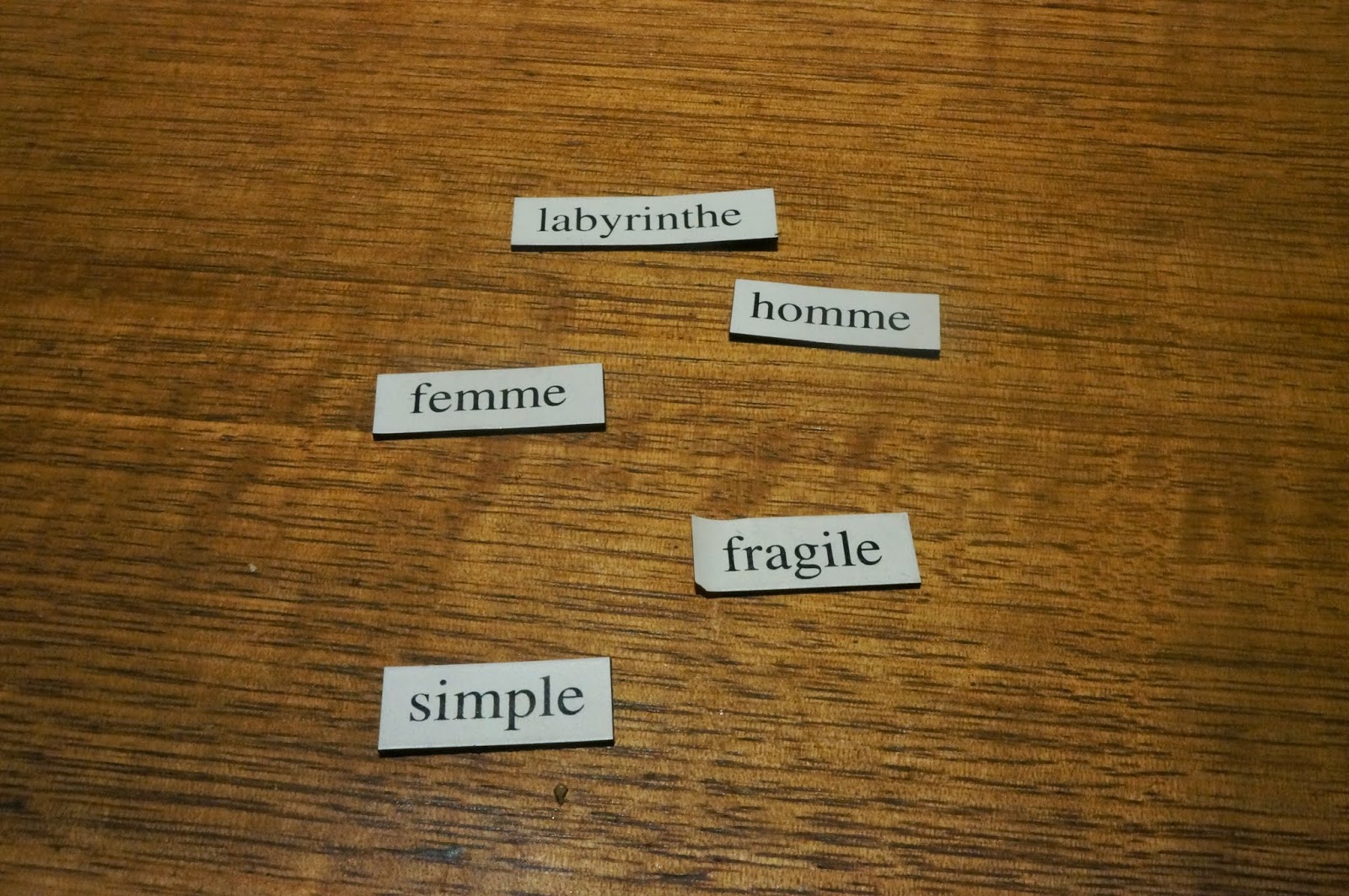
mademoiselle

 
I was asked today about the intricacies of employing madame over mademoiselle. A friend had addressed a friend of the feminine persuasion as madame in an email. Her reply wondered at what age do we switch from madame to mademoiselle if a woman is unmarried. Is it when she is deemed an ‘old maid’? Her words.
 
My friend was concerned at his apparent blunder and felt that he had offended the recipient of his email.
 
This is an ongoing dilemma and one which I recently discussed with French friends. 

Traditionally Mademoiselle was used to address unmarried women. This does assume that women will get married and also that they will marry before a certain age. So Mademoiselle carries hints of youthfulness and light floatiness…at least it does for me. So, for a woman to be addressed as Madame, there is the idea of older, niched in the respectable confines of marriage, there is a somewhat serious feel to the title. Unless you are a madame of a brothel which is an entirely different story and yet still carries a similar weight, if not in a prim and proper social sense, in a commanding sense all the same.

There is something appealing in being referred to as mademoiselle, when one has possibly crossed the age border and the madame territory looms. There is a flirtatiousness to it perhaps, the idea being, of course that a mademoiselle is unattached and pursuable…desirable even.


But, as with the anglophone Miss, Mrs and Ms debacle, it is absolutely sexist. A man is always Monsieur, but a woman’s title, and let’s get down to the nitty gritty of it, has to do with her virginal state. 

These days, in France, it’s much more common to just use Madame. In fact, in 2012, Prime Minister François Fillon issued a circular to government staff that there was to be no distinction and that Madame was to be used as the equivalent of Monsieur. 


People often hold on to old-fashioned ways without really thinking them through. They feel offended that you are making a comment on their age, when really they should be offended by a sexist distinction in titles. 
 
You can’t win with women, sadly. We do want it all.
That is perhaps unfair. I am speaking from the position of a woman who wants it all. I want respect and equal standing. I want to be taken seriously. I also want to be appreciated for my femininity. I want to be admired, wooed, adored. But for my mind. Maybe sometimes for my body. I want independence but also a strong arm around me.
 
It’s a tightrope.
 
We want men to read our minds. We need you to be knights, poets, plumbers, electricians, talkers, listeners, manly, perceptive.


sparkling, tap or river water?

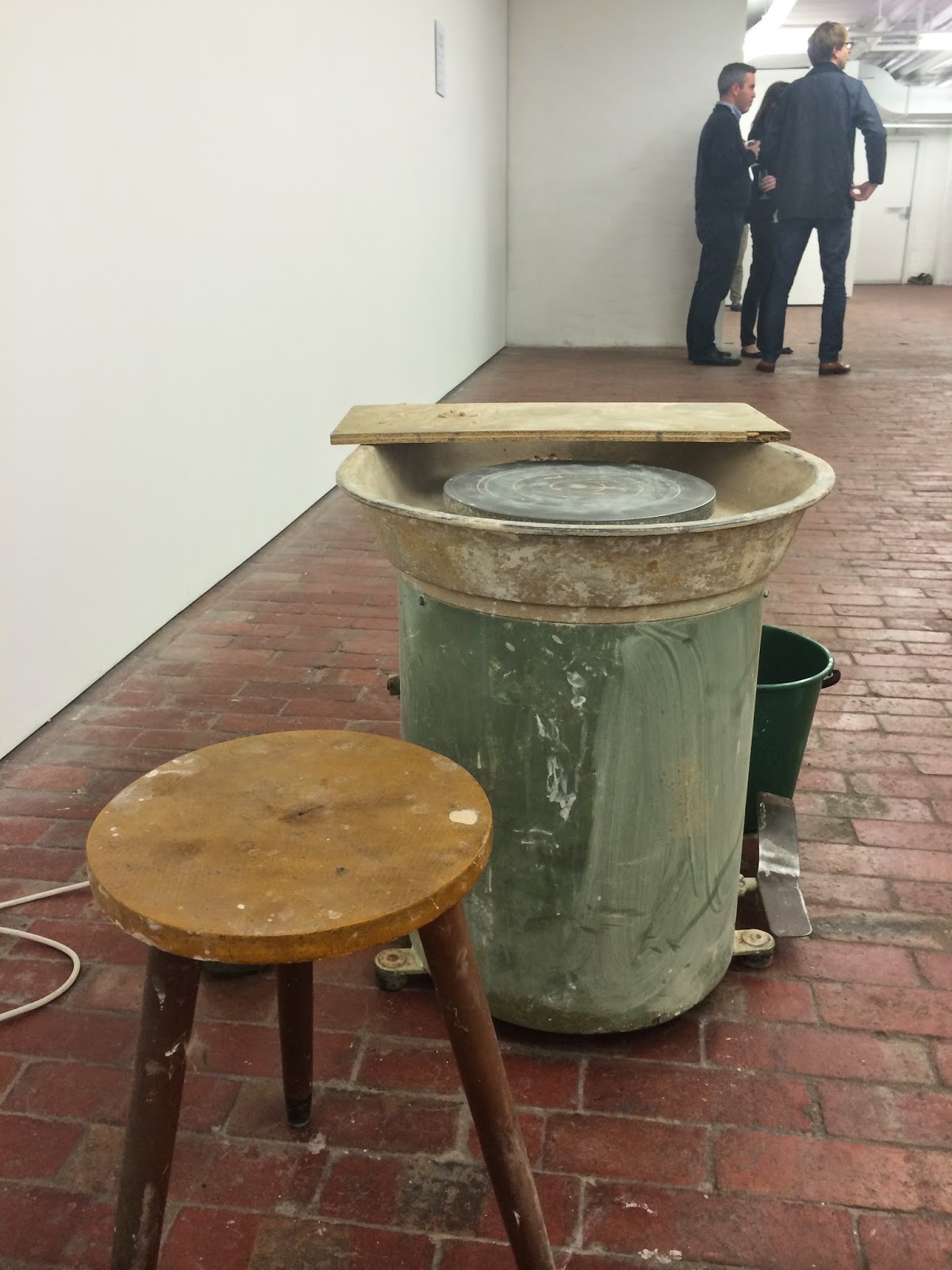
Site specific water in throwing the pottery.

Does it make a difference?

Does it matter if it makes a difference?

Water. It’s important in Victoria. There’s a desalination plant which has cost millions of dollars because there was a drought. And we needed water. There was no rain. Now there is lots of rain. The desalination plant at Wonthaggai is very controversial.

A lot of money, a lot of work but did we need the desalination plant. At the time, yes. But nature has her way. Perhaps for now, no.

Water. It is a precious commodity. Especially here.

In an excruciating Cotton Eye Joe reference, where did you come from, where did you go? I’m not sure we can rely on any golden speeches the Victorian Government might deliver as far as water is concerned. Mind you, we can’t blame them. They are on the edge of their seats, watching and waiting themselves, will it rain, will it continue to rain, will we have a war over water with New Zealand?…oh it’s raining…but how long will that last?

Does water matter? Does the source of our water matter?

I have friends who work for Melbourne Water and they say yes. As they should.

And then there is Kate Hill who has a residency at C3, an open art gallery at Abbotsford Convent. Kate is investigating the use of site specific water in her pottery. She is collecting water from different sites along the Yarra River over her three week residency at Abbotsford Convent. And already she has water from Japan and Victorian rivers.


I wasn’t really clear on why water from a Japanese river came into it. But I don’t think it matters whether I am clear or not.

Does the water alter the pottery?

Do we have to perceive that difference?

Does that matter? 

In the end, there is beauty. And making beauty out of what we have and placing that on a simple pine shelf, standing back and appreciating the form. That’s it.

beards and barbecues and smoky goodness

American barbecue. So hot right now. Smokin’ even.

Apparently, according to my sources, Melbourne has become intoxicated with all things Americana…the music, the food, the tattoos. And now, the long and slow, charred and succulent meaty goodness of the Texan barbecue.

Barbecue has been around for a whole lot longer than the current culinary craze might lead you to believe. Barbecue comes from the word, barbecoa, which is thought to have originated in Barbados in the Caribbean. 

Now the origins of the word, Barbados, might perhaps explain why Melburnians can’t get enough of the American barbecue. Los barbadoes, ‘the bearded ones’, was the name 16th century Portugese explorers gave to the giant bearded fig trees which grew all over the islands in the Caribbean they were sailing around. Melbourne is certainly up there with Brooklyn, East London and Lyttelton in terms of its embracing of the beard. As an aside, the beard trend has such a global hold that Gillette recorded a 17% drop in income for the December quarter last year. Men just aren’t buying razors the way they used to.

But back to the barbecue. Barbacoa was a traditional pit barbecue that started in the Caribbean. A hole was dug and then a bed of coals and wood was built. Then a whole hog or some cow heads were put on top of the hot bed and covered, buried and smoked for 24 hours.

From the Caribbean, this style of cooking travelled through Mexico and was taken up to Texas by Mexican ranch hands. They started using oil drums instead of digging pits and, given Texas is cattle country, there was a ready supply of meat to be smoked.

Jeremy Sutphin is head chef at Le Bon Ton, Collingwood’s answer to the need for barbecue. I recently had a chat to him about the art of the barbecue. He told me that there are ways of doing barbecue that you pretty much have to stick to and then beyond that, you can play with it a bit. And he knows what he’s talking about, he’s from Texas. He grew up with this.

In Texas, the traditional barbecue, especially the brisket, is just smoke, salt and pepper. It’s a dry barbecue. The main flavours are smoke and beef. It’s beef country so there is a lot of pride in the beef they source and smoke. The type of wood is also important for the flavour. Hickory and mesquite are the traditional woods for smoking in Texas. 

Jeremy builds a bed of natural charcoal and then feeds wood into it to keep it smoking. His beef is smoked for 16 hours and is juicy and delicious. Especially with his house made barbecue sauce with its spicy earthiness.

For Jeremy, traditional Texas-style barbecue is about community; bringing people together over food. I’m happy to embrace the way of the barbecue.


fisherman’s rib


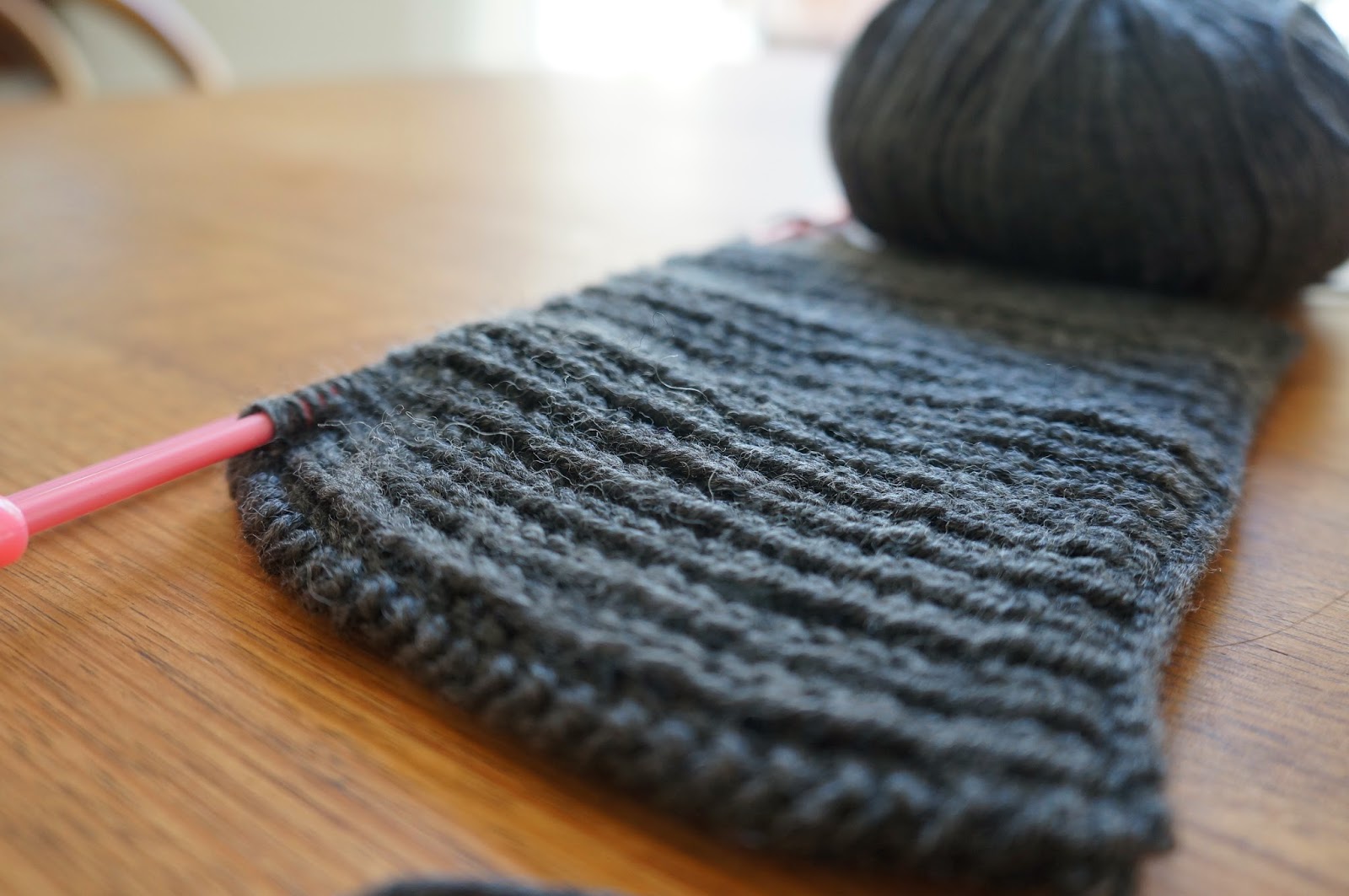
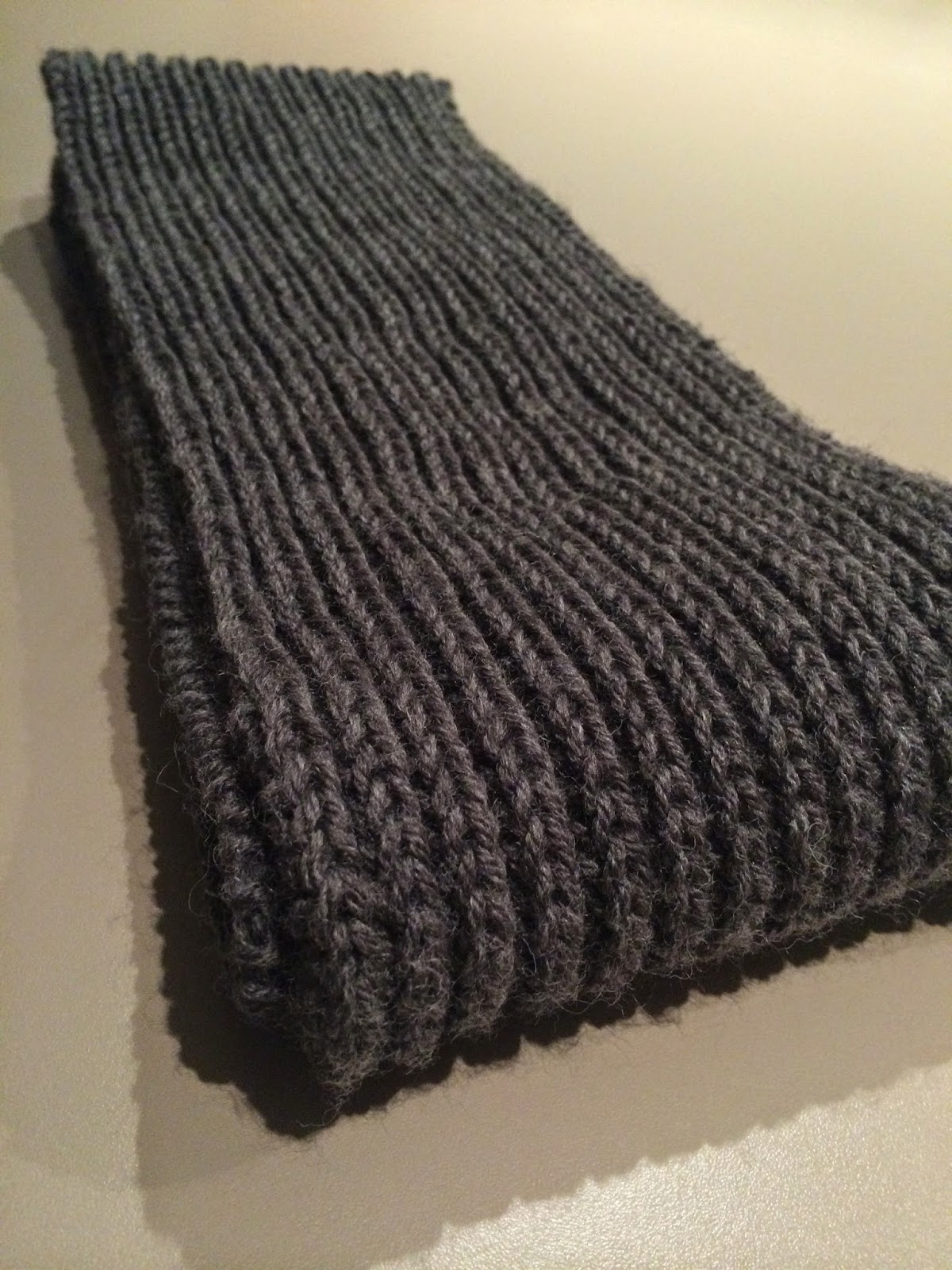
I knitted a scarf. It sounds simple enough. You just cast a certain number of stitches on a needle then keep on knitting. But I chose fisherman’s rib, which has its complications. 

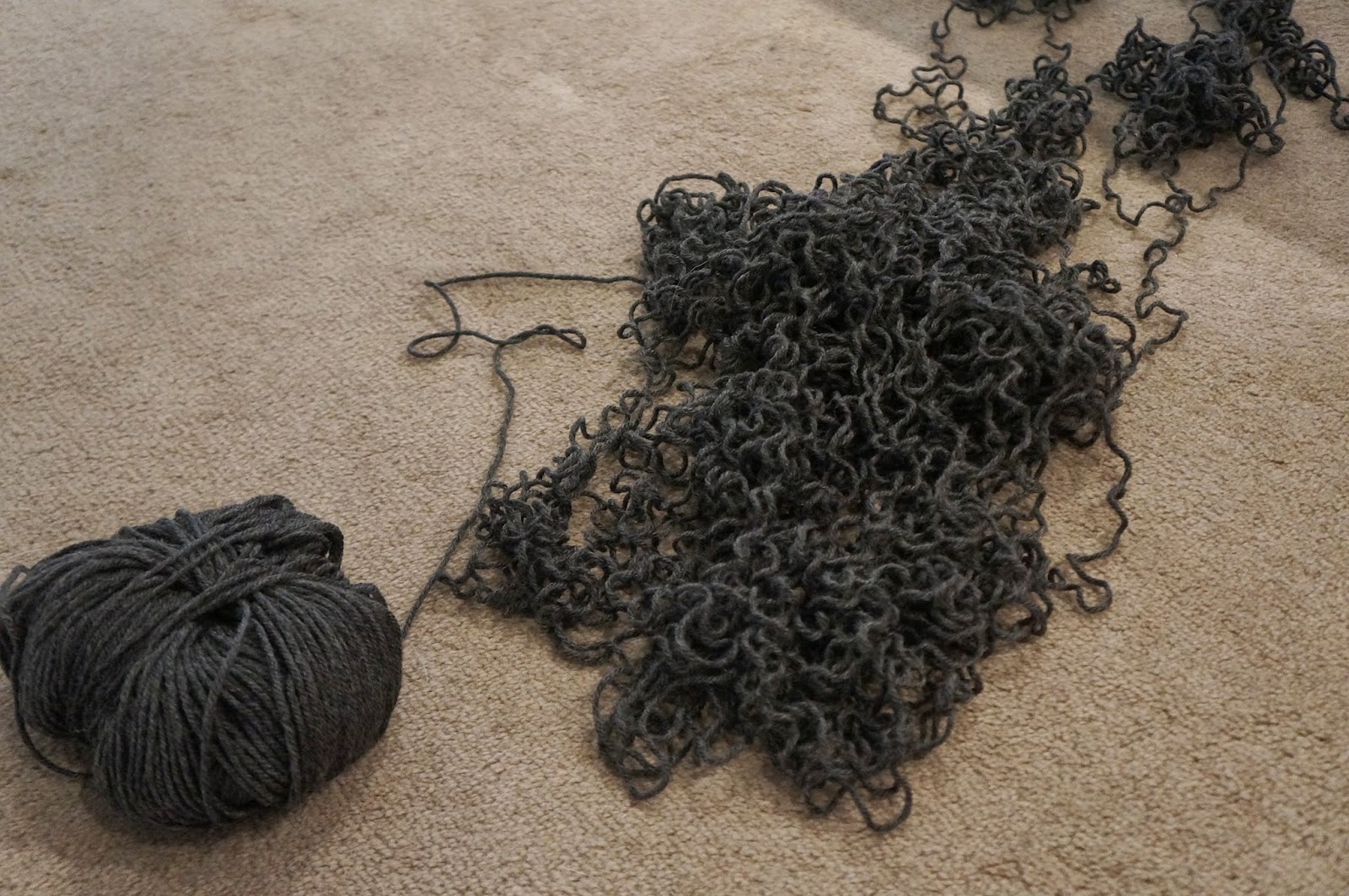
The complication comes if you make a mistake. It is a difficult stitch to unpick satisfactorily to rectify the problem and carry on as normal. If something goes wrong, you really have to take a deep breath, pull it all out and start again. 

This is because, and bear with me here on the technicalities, with fisherman’s rib, you knit right down into the heart of the stitch. You actually end up knitting into a stitch from the last row. So you’re in the now but you’re bringing in what has gone before. And you just have to hope you’re getting it right in the present row so the next row, and in fact the overall outcome, works. This is always going to be fraught with peril.

I’m not really sure what happened because I really wanted to knit the scarf. But three times I made a mistake and I had to pull it all out and start again. 

I grew a little despondent because I wondered whether I would actually get to the end of it. But I had a vision of how the scarf would look once I got there, and once I committed to it, I stopped worrying about making a mistake and having to start again and just embraced the journey. It was satisfying watching it grow. And I liked the feel of the wool and the weight of the scarf as it grew. I looked forward to sitting with it, adding to it. 

It had been a long time since I had done any knitting. I had felt busy and worried about embarking on something I’d either make a mistake with or couldn’t complete or wouldn’t work out the way I had imagined. But along the way I discovered that I loved knitting again. It felt good to create and to do something for someone else. 

Because it was started as a gift. A reflex to a throwaway comment by someone who asked for a scarf. But by the time I had had three false starts and then made it happen, I was too late and they already had a scarf. 

I felt disappointed. But then I hadn’t said I was knitting it. And people aren’t mind-readers. They can only wait so long when the weather grows cool. 

I’m not sorry I knitted the scarf. It reminded me of how satisfying it is to create something from scratch. It made me sit still for a while now and then and focus on the task at hand. And I realised that mistakes can happen. But instead of expecting to make them and worrying about their eventuality, and thereby often creating them as a result of that, knitting the scarf reminded me that it’s best to enjoy the moment and also keep moving forward. When the project is worth it, mistakes can be fixed and you can carry on anyway. The end product may not be perfect but you got there in the end. 

boeuf bourguignon

Low and slow. I’ve talked about this before. Taking time, respecting the ingredients, enjoying the process.

As the autumnal days become bookended with chilliness, my thoughts turn to stews and casseroles and ragouts and anything that simmers and is full of flavour and tender cosiness. 

If you’re a wannabe Frenchy-type person, like me, boeuf bourguignon is definitely the go.

Quite apart from the delicious flavour, boeuf bourguignon has history. And I like a bit of history.

Boeuf burguignon is a fancy pants name for beef stew. It started off as peasants’ fare. And really the peasants got a much better deal on the culinary spectrum in medieval times than the rich people. The rich people were all about fancy aesthetically pleasing or at least apoplexy-producing dishes…you know, the old sparrow inside a pigeon inside a duck inside a swan inside an emu. They were so busy producing these still life accomplishments and then walking them all the way down the corridors of the immense palatial residences the flash people lived in, that by the time these culinary works of art arrived in the dining room, the food was cold. 

It is a much over-looked fact that the rich ate cold food. The peasants ate the slow and low cooked food that had been simmering over the coals all day while they were working. 

So boeuf bourguignon, now considered a bit flash, was always just beef stew.

Boeuf bourguignon comes from Bourgogne, or Burgundy. So it might perhaps go without saying that a rather large component of the fancy stew is a good burgundy, or pinot noir. And beef. Traditionally the beef was all about celebrating the meat from the area, so the charolais cows from Charolles, are the heroes in this dish. 

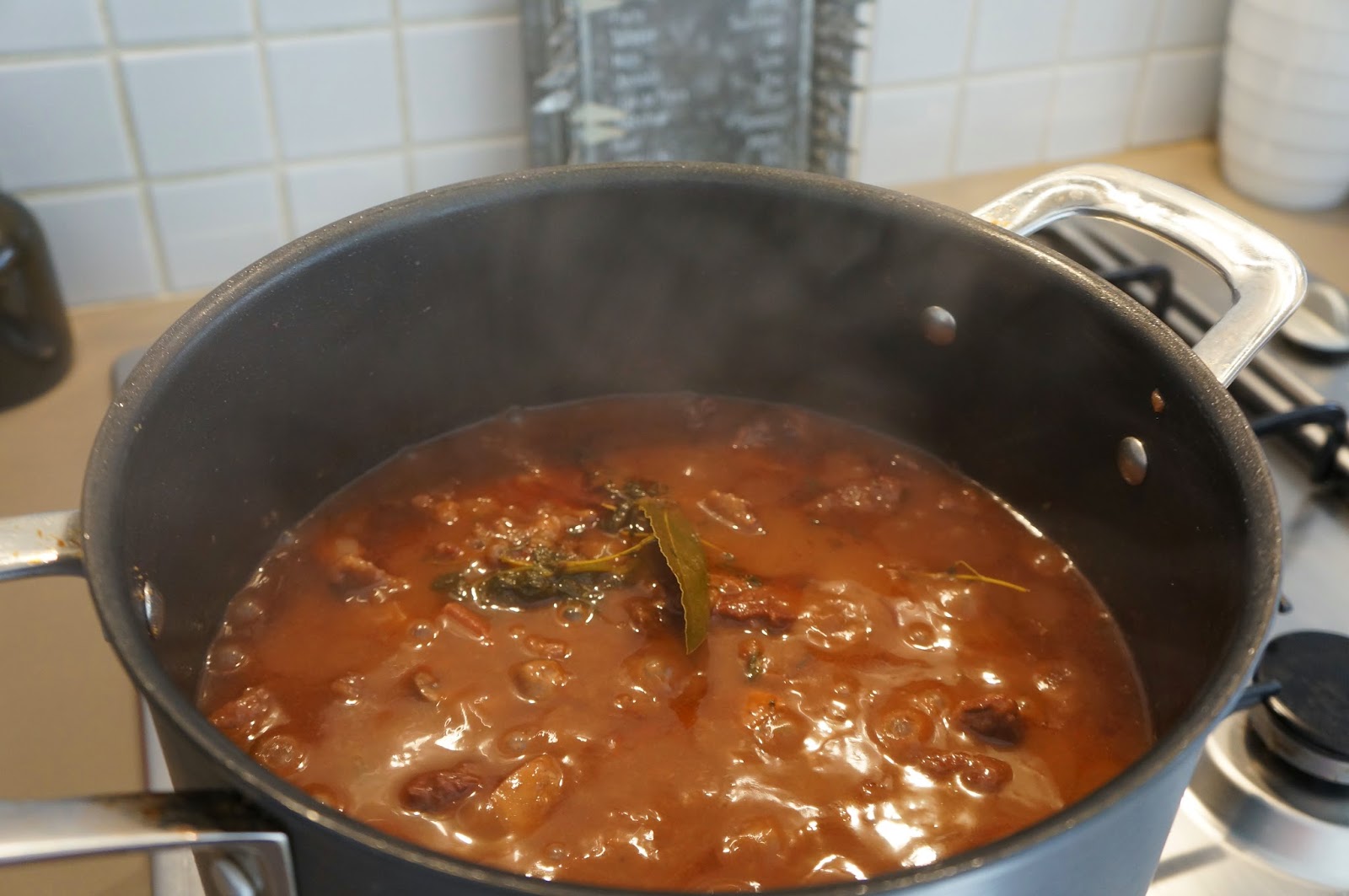
Boeuf bourguignon is all about taking time. Braising the meat, preparing the shallots and garlic and lardons, tying up a bouquet garni. Simmering. 

In Melbourne it is ANZAC Day. A day for remembrance and acknowledgement and appreciation and gratitude. As the sun streamed through my window and I braised and simmered, it felt good to take time and space to cook, but also to acknowledge the past and feel thankful for now and optimistic for what will be.

I look forward to sharing my simmered stew with good friends tomorrow. The flavours will have developed.  They will have become rich and warm. A nod to the past and a sharing in the now.

This well-known dish has its roots from the Burgundy region in France.  Beautiful Burgundy, known in French as “Bourgogne”, is 100 km southeast of Paris, stretching 360 km.  It has more than 2000 communes, and is one of France’s most fascinating regions, known equally for its historical political intrigue as for its dazzling architecture, excellent wines, and rich cuisine. – See more at: http://www.frenchtraveler.com/boeuf-bourguignon#sthash.Rmn64l8N.dpuf
This well-known dish has its roots from the Burgundy region in France.  Beautiful Burgundy, known in French as “Bourgogne”, is 100 km southeast of Paris, stretching 360 km.  It has more than 2000 communes, and is one of France’s most fascinating regions, known equally for its historical political intrigue as for its dazzling architecture, excellent wines, and rich cuisine.
  Boeuf Bourguignon, a delectable beef stew, celebrates its roots through homage to its prized Charolais cattle.  Reputed for their distinct taste, low fat content, and gentle temperament, the creamy white Charolais bulls,  found around the Charolles region of southern Burdundy, are used extensively in the making of bœuf bourguignon.  The cattle are fed only hay, fodder, and cereal, which produce healthy cows.  The meat is very tender, and used for stewing and grilling.
Today, Boeuf Bourguignon is famous throughout the world, thanks to prodigious French

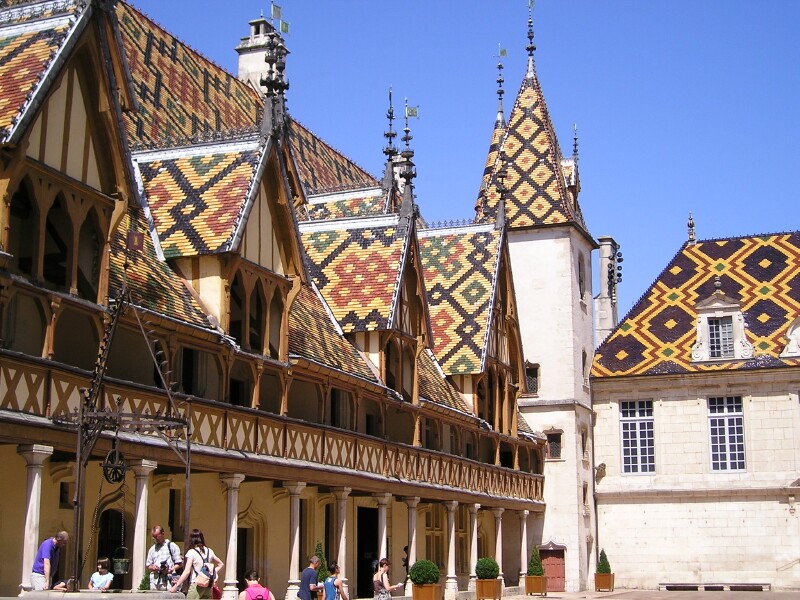
Burgundy roof tiles

Burgundy roof tiles

chef Auguste Escoffier, who first published the recipe in the early 20th century.  Over time, the recipe evolved from honest peasant fare to haute cuisine, and Escoffier’s 1903 recipe became the standard-bearer, using a whole piece of beef in the stew.  Much later, Julia Child used beef cubes rather than a whole piece, bringing boeuf Bourguignon to the notice of a whole new generation of cooks.
This dish is prepared by braising the beef in a full-bodied, classic red (Burgundy) wine.   It is then stewed with potatoes, carrots, onions, garlic, and well-seasoned (during the stewing process) with a bouquet garni , or a small satchel of thyme, parsley, and bay leaves.   Traditional preparation of this dish is two days, to continually tenderize the meat and to intensify the flavors of the stew.
In late August, celebrations in Bourgogne laud the prized Charolais beef.  There is the “Fête du Charolais”,  a festival that takes place in the Burgundy town of Saulieu.  Musicians, meat lovers and farmers alike gather in the streets, inviting anyone to enjoy an unforgettable gastronomic experience having traditional “Bœuf Bourguignon”.
– See more at: http://www.frenchtraveler.com/boeuf-bourguignon#sthash.Rmn64l8N.dpuf