intensity and harmony make for beauty

Sometimes there are collections of words offered, as a gift. Perhaps the giver doesn’t realise the gift they have given.

They have a thought or see something that caresses their soul or they feel the beauty of the moment they are in and describe it so perfectly your heart feels large in your chest and you smile in that way that makes your whole body glow.

Sometimes there are collections of words offered that are delicious and you feel suffused with reds and golds.

And you feel lucky to be alive, to feel beauty, to love.

Let’s Dance

Mau Power is a lyrical storyteller

Mau Power is the first rapper to have come from the Torres Strait region of Australia and he considers Thursday Island his home. His latest album, The Show Will Go On, is autobiographical, with each song representing a step on his own journey.
“This is music for the free spirit, inspiration for those who really need it, not those who listen but those who really feel it.” For Mau Power, the survival of his culture is the reason that he wrote this song; to pass on knowledge and empowerment to enable future generations to take hold of their culture and identity and to do so with pride.
A passionate storyteller, Mau Power sees a powerful alliance in combining hip hop and indigenous cultures. He comes from a culture with an oral tradition. Knowledge is passed on from generation to generation through music, dance and storytelling. Mau Power sees hip hop as also providing that platform; a way to spread the stories and pass on the knowledge.
Mau Power explains, “I will become a knowledge custodian in my lifetime to be able to keep this tradition going and pass it on to those who come after us; the way our elders did to my generation. That’s what I want to be able to do.  That’s why I tell stories and it’s important to have stories to tell.”
For Mau Power, being a knowledge custodian comes with age, wisdom and experience. However, he is quick to point out that wise people are not necessarily the oldest people in the community; they are the ones who have had life experience. Part of being a knowledge custodian is about being able to access and store the knowledge of the elders now, so those who take on this role are able to document this and move it forward. Within the indigenous community, there are certain people or families who take on particular roles and that’s where their strength and expertise lie: hunting and gathering, running community events, facilitating processes and protocol. The custodians come from these areas of experience and pass on what they know.
Who is the Mau Power’s message for? He says it is for everyone. When he wrote the album, his mind was was focussed on those who are to come, the next generation. He wants them to know about identity. He wants them to understand their own identity in the world and he also wants them to know that the future is whatever they lay out for themselves. He tells me that if I had met a young Patrick Mau, I wouldn’t have thought he would have been doing the things he is now doing.
One of Mau Power’s biggest idols is Bruce Lee because of his philosophies.  One of his quotes was, “To hell with circumstances, I create opportunities.” That’s basically it, he says. In the seventies, Bruce Lee broke the mould of what an Asian looked like and he created a whole new genre for do-it-yourself entrepreneurs and minorities. Mau Power feels as though he is in a similar position to Bruce Lee, “That’s what I really want to pass on to the next generation. Forget what your circumstances are, you can become whatever you want to be. “
Freedomhas been described as a song of protest, yet it has such a positive feel to it that is more like a call to action. Mau Power says that there are different ways to protest. There are peaceful protests, positive advocating. Freedom is about self-empowerment. When he sings about emancipation of the mental slavery, he is referring to the situations he found himself in. “If I had held onto all those things, I wouldn’t be here. I could have been dead a long time ago.” Instead, he was willing to unhook the chains. “It is hard to unhook your own chains,” he says. “It means you have to be true to yourself and be really reflective. You need to be at a point where you can see all your flaws and really acknowledge them, take ownership and then once you have done that you are able to change and that’s what I was talking about in the song, freeing yourself from mental slavery to be able to be self-empowered. This is something I’m going to be doing for the rest of my life.”
Mao Power’s lyrics are powerful and also very succinct. When asked whether it is easy for him to write like that, he explains that there are times when he gets really overworked trying to construct lyrics, but Freedom just flowed.
“I think the stars and the universe aligned and connected, the beat just came out. It was one of the quickest songs I wrote for the album. It’s just that energy that was there. That’s just how it happens sometimes.”
Working with Archie Roach on the song has also had a big impact on Mau Power. For him, Archie Roach is the one who laid the foundation for young people like him to come through. When Mau Power was 14 years old, he did an English essay on Archie Roach’s album Charcoal Lane and came across his song, They took the children away. That was his first introduction to the stolen generation. It forced him to learn about the history of Australia. Something, he says, they didn’t taught in schools. That’s how powerful the stories and messages can be through song. He finds it remarkable to think that some day an eleven, twelve or thirteen year old might be listening to one of his own songs and taking something away form it.
“Being able to pass on my knowledge through the storytelling in my songs is like a dream come true really, it’s an honour.”

Freedom Mau Power feat. Archie Roach

things that made me smile today

* the barista drawing a cute picture on my coffee lid
* getting sent a snatch of a song from someone wonderful, loving it, and immediately making it part of the November Soundtrack To My Life
* hearing about my 6 year old nephew camping in the backyard overnight and telling his dad that it is something he will remember and tell his kids about
* looking out my window at sunshine on green trees
* designing and ordering a business card that says I’m a writer
* writing

Hope Springs Eternal

Love. We yearn for it. We delight in it. We cry over it. We wonder about it. Auguste Blackman has picked up the idea of love and its reality, held it in his hands, turned it over, felt its weight and produced an exhibition which reflects his exploration of what love is for him.
 
Through The Love Story, he confronts his feelings about his own marriage now that the last of his six children has left home and he and his wife, Andrea, are left facing each other in an empty nest.
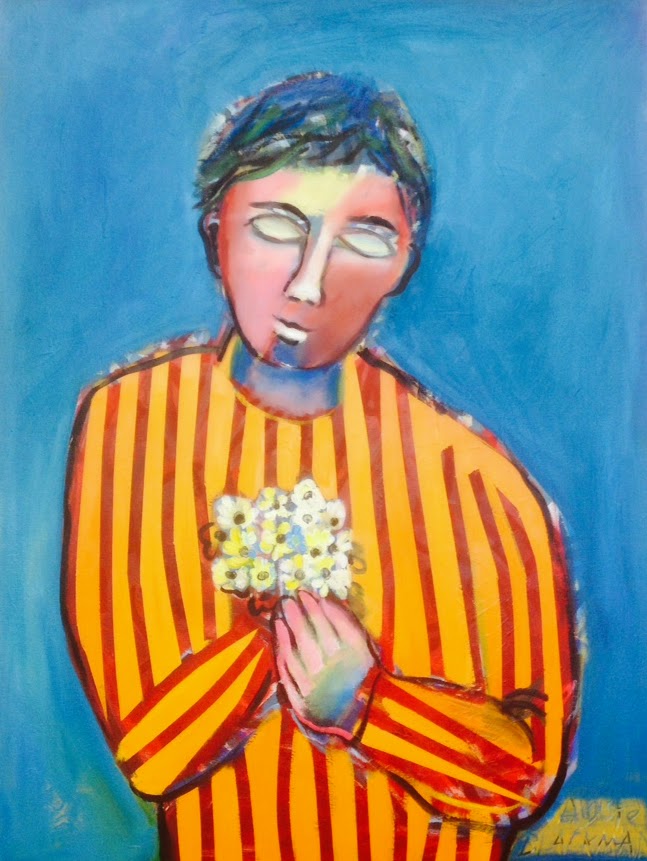
I think it is important to start a consideration of this exhibition with the portrait hung in the window of the gallery. A pensive young man stands alone, clutching a bunch of flowers. His whole being exudes the ‘Hope’ for which the portrait is named. This is Auguste before he entered the couple.
From this outside-looking-in introduction, we cross the threshold into Auguste Blackman’s soul. This is a man who wears his heart on his sleeve. All the emotions that form part of the journey of a 20-year marriage are there in full colour on the wall with the paintings themselves hung in haphazard, family-photo style on the wall. Most of the works feature the couple in various attitudes of first love, nervousness, bliss, love, angst, jealousy, and devotion. Nothing is held back. But, far from feeling as though I was some kind of voyeur peering in through the blinds, there is a brave candour here. Auguste wants to share his journey with us through the highs and the lows and the wondering to the beautiful conclusion that he is very much in love with his wife and “he wants to stay married.” In fact, Auguste credits Andrea for teaching him to love well.
He did have other role models which would have added to his questions around love. His father, renowned Australian painter, Charles Blackman, and his writer mother, Barbara, had an extremely passionate relationship, which ended after 27 years of marriage.
The tenderness of Auguste’s examination of love is palpable. You cannot stand in the middle of the room surrounded by this homage to the many facets of love and emerge unmoved.

 
The Love Story is testament to Auguste’s poetic and passionate personality. A beautiful colourist, we can see his verve and life force. Through his expressive, delicate painting style he shares personal experiences of love and union. 


that’s amore

Pizza comes from Naples. Eating a pizza in Rome or in Florence and certainly in most places in Melbourne is not the same as eating it in Naples. Or at 400 Gradi in East Brunswick where Johnny Di Francesco makes Pizza Napoletana.
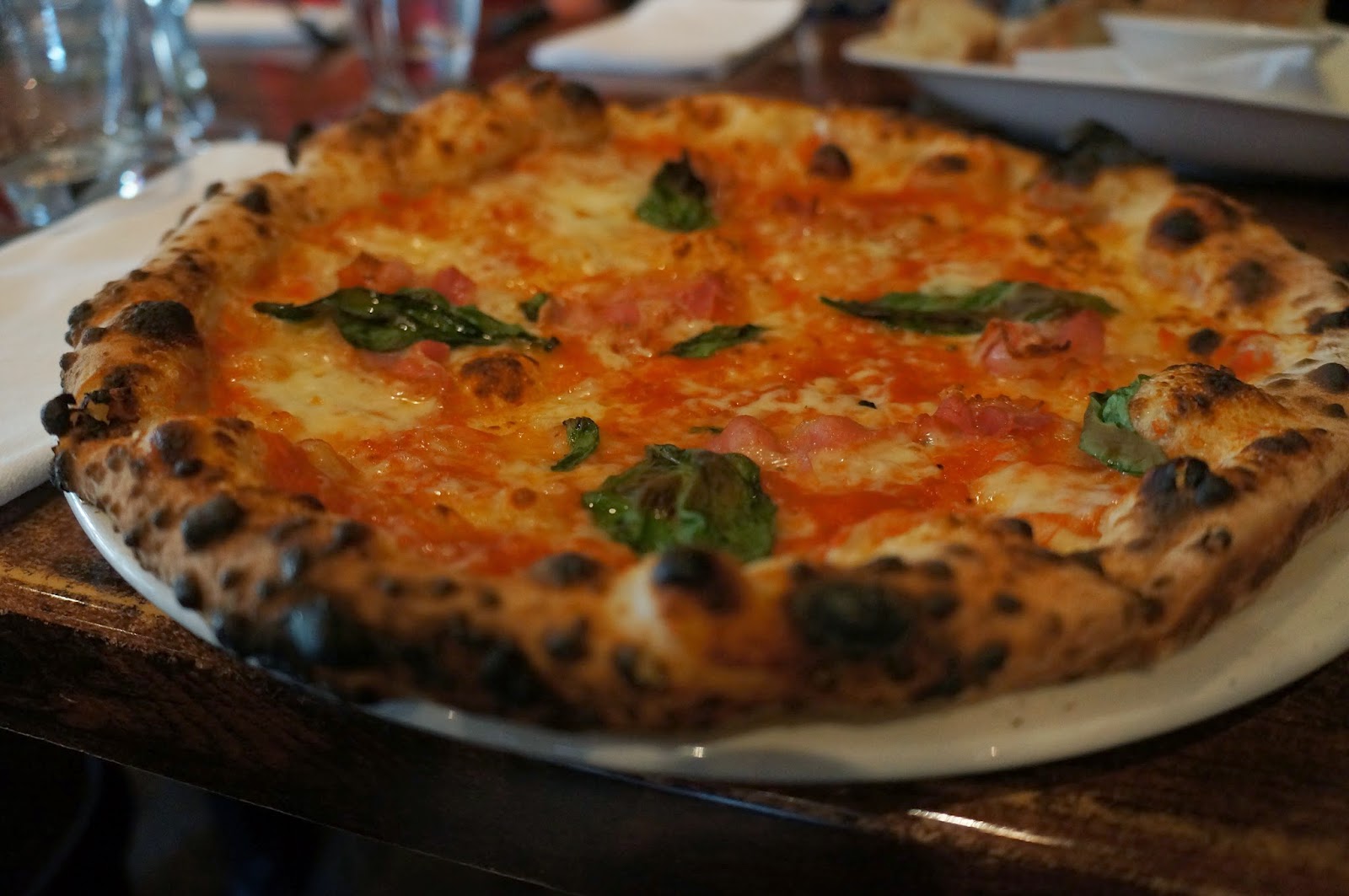
Pizza was born in Naples which is where the real Pizza Margherita comes from, named in honour of Queen Margherita and sporting the colours of the Italian flag: red from the tomato sauce, green from the basil and white from the fresh mozzarella.
Johnny is quick to point out that a Napoletana pizza can be an acquired taste. The dough is thicker and a little chewy. It is not crisp and hard pizza ‘biscuit’. It’s soft and light and foldable. You really need two hands or a knife and fork to eat it without the topping siding off down your front.
And Johnny should know what he is talking about. He has been making pizza since he was 12 and this year in August, he took the top honours against 600 competitors from 35 countries at the Campionato Mondiale Della Pizza (World Pizza Championships) in Parma, Italy.
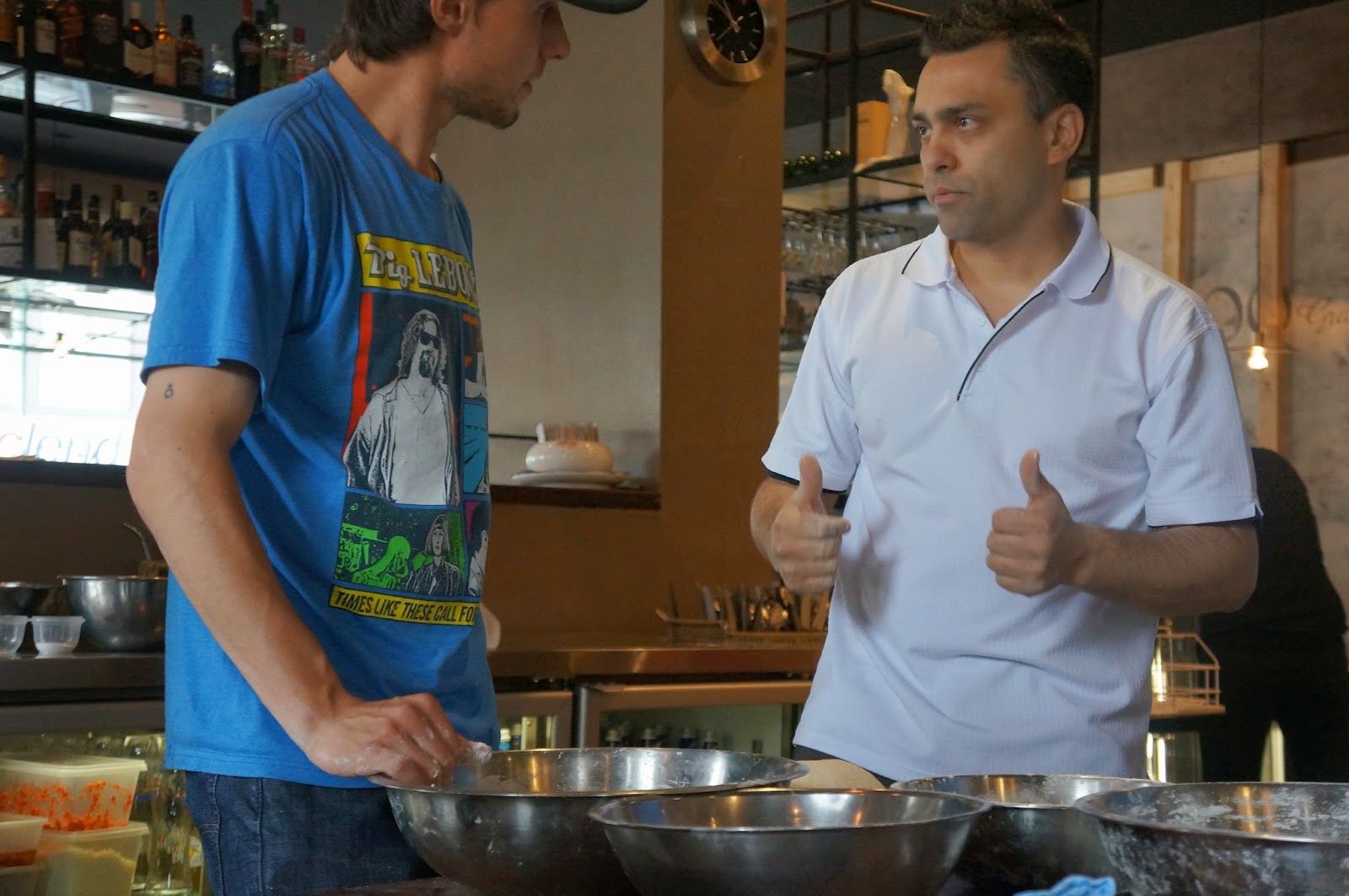
Taking part in a pizza masterclass run by Johnny felt like a journey. Making pizza napoletana isn’t just a haphazard mix of flour, yeast, salt and water. Johnny talked us through the ratios and the whys for his ‘rules’ for making good pizza.
I had no idea that 00 flour comes in several different levels of protein for different types of baking. For pizza dough, flour with 11.5-12.5% protein is what you’re after. Flour is a consuming passion for Di Francesco. He sources it from a long-established mill near Padua.
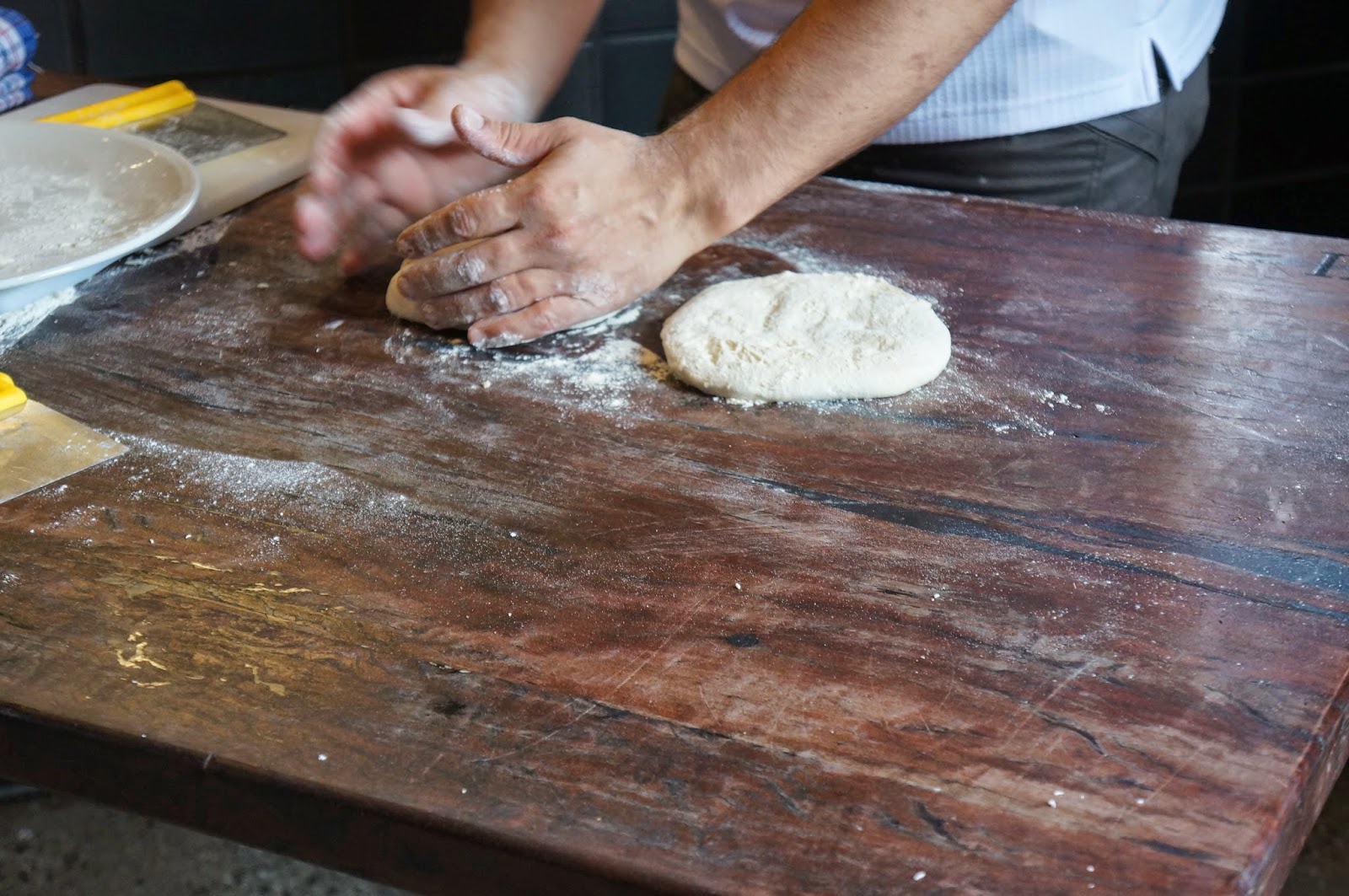
The next new piece of advice was mixing the salt into the water first, then adding a little flour and then dropping a tiny knob of yeast into that mixture then continually adding flour and mixing all the time. No sugar, no letting the water and yeast mix froth before adding the flour. Too much yeast does not allow for natural fermentation. And too much yeast results in the gassy, bloated feeling sometimes experienced after eating pizzas other than those in the Napoli style.
The key to the pizzas from Naples is the crust. Once the dough has been made, it sits covered for two hours and is then formed into small 250 gram balls which are left for 24 hours to mature. The next day when it comes to making the bases, the trick is to push the gas from the yeast maturation in the dough out towards the outer edge, or cornicione.

90 seconds in a wood-fired oven or 4 minutes in a conventional oven at 400-450 will give you a light, airy and slightly blistered crust. And Johnny insists that you eat all the crust. And not because it will put hairs on your chest. The air or the fermented gases pushed to the outer edge promote digestion.

So. The next time the moon hits my eye like a big pizza pie, and the world seems to shine like I’ve had too much wine, I’ll embrace the Neapolitan love and make pizza.

To market

The latest market to appear on Melbourne’s horizon has a lot going for it. Except for its name.

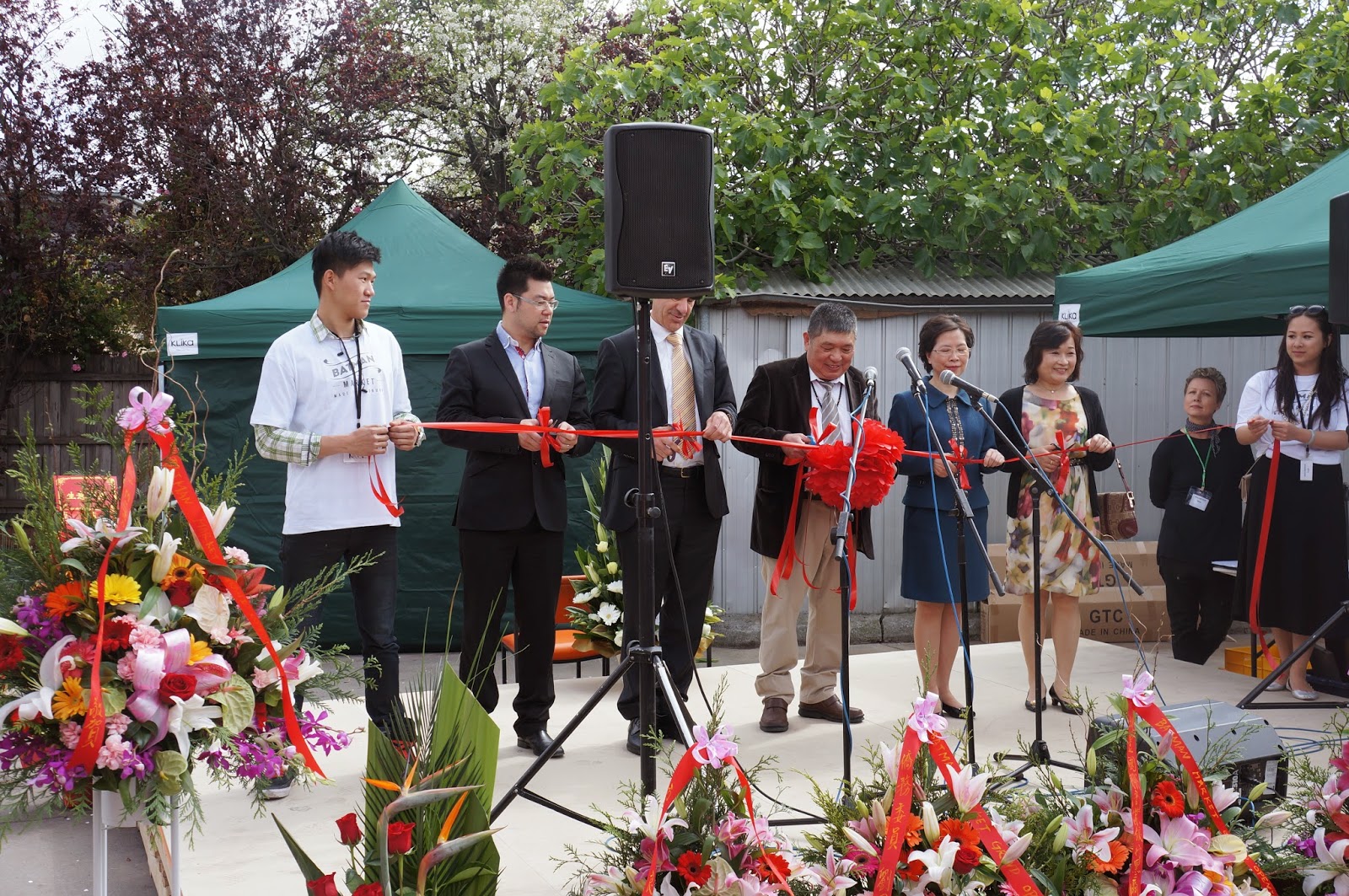
Coburg’s weekend market is the result of the vision and hard work of the Chen family, notably Ethan Chen, who described the market in terms of a testament to his father, who twenty years ago, established a textiles factory on the same site and contributed a great deal to the community. Now times have changed and the Chen family are happy to celebrate a rebirth of the venue as Batman Market.

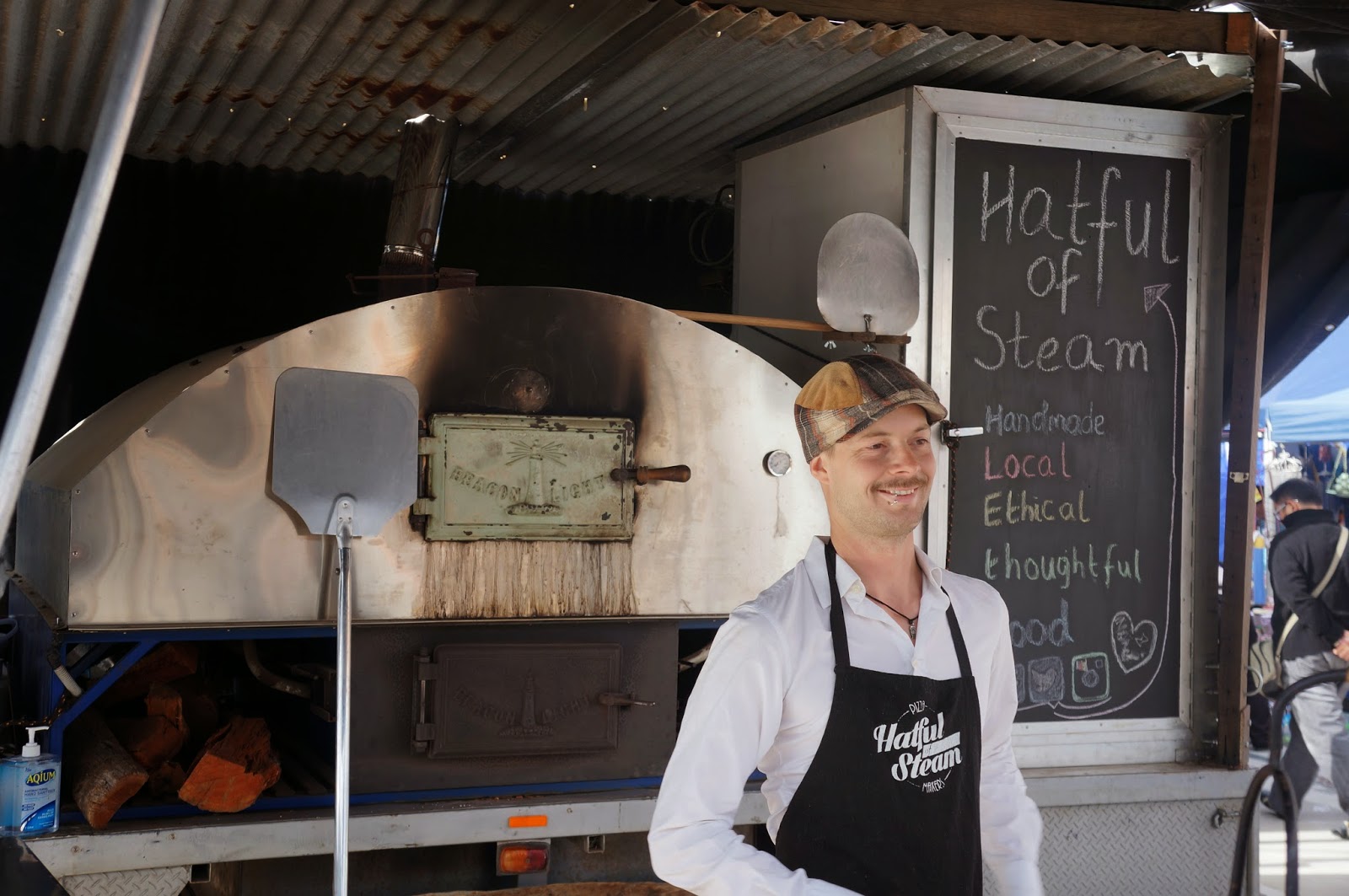
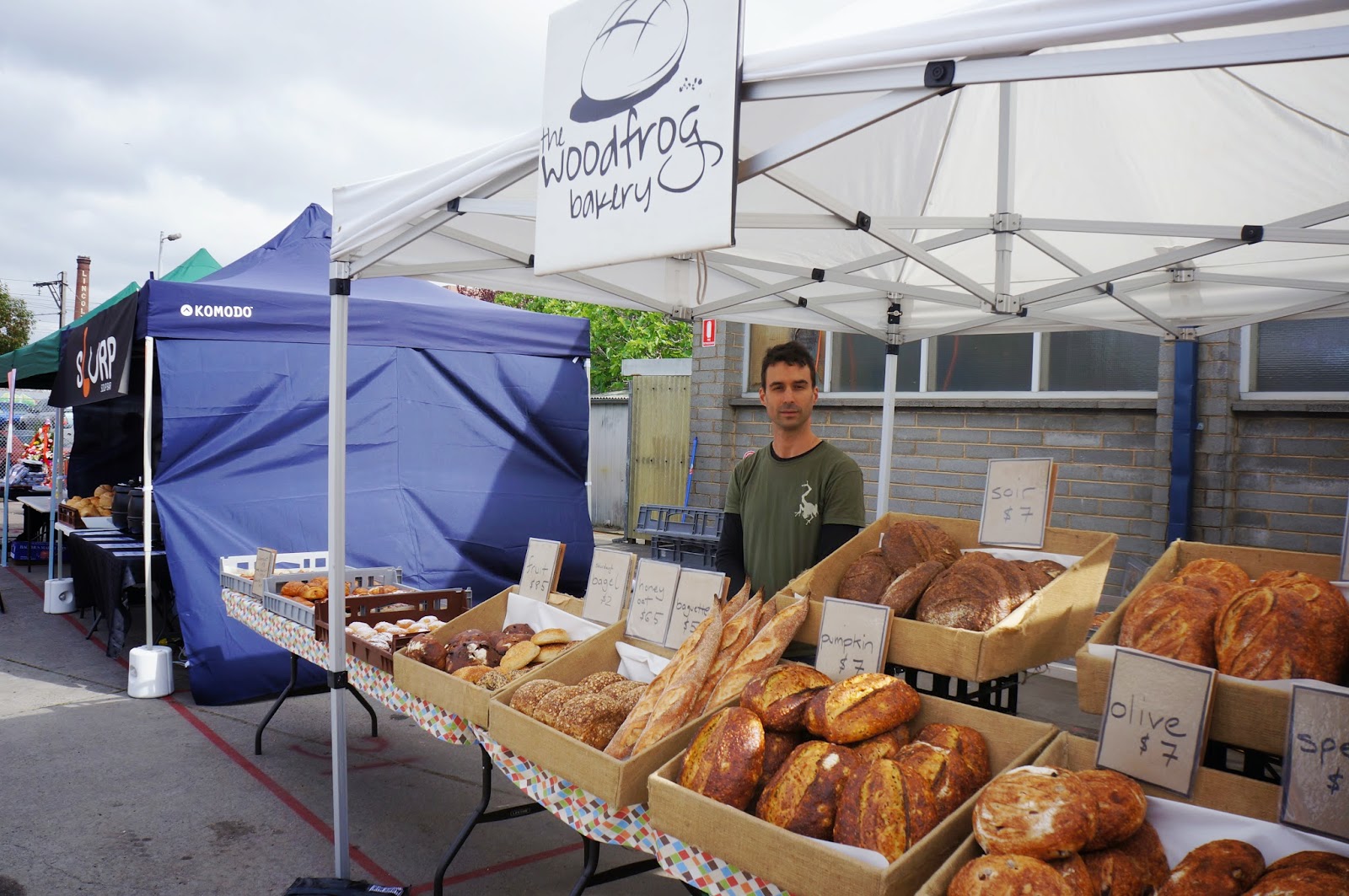
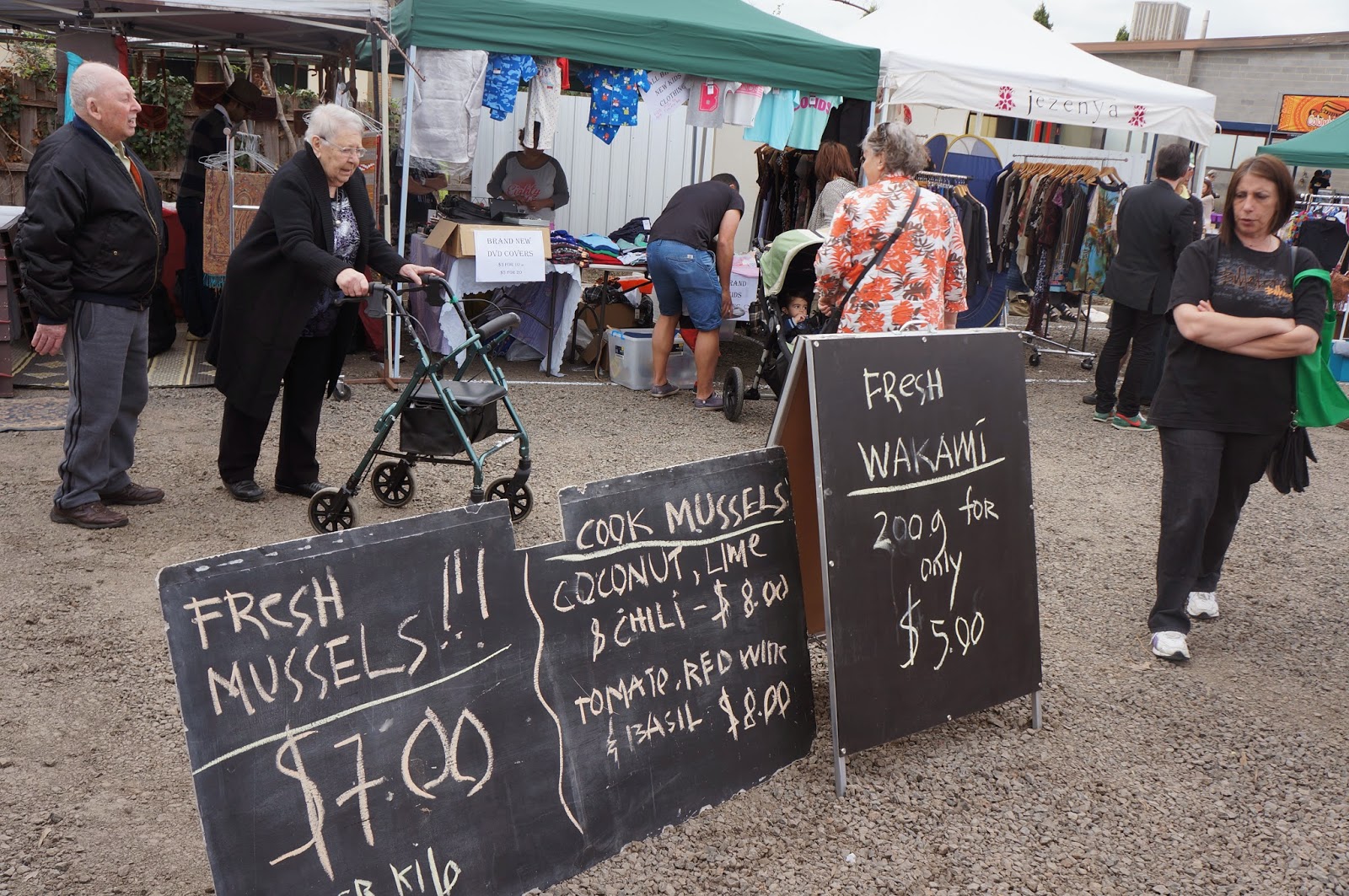
The idea behind the market is to showcase Melbourne’s multiculturalism through food, art and performance. With last week’s first market and over 100 vendors, 40 of whom were food stalls, this vision seems set to be realised.

But, as I alluded to, I’m just not sure the name, Batman, was a wise choice.

John Batman was a grazier, entrepreneur and explorer who settled in the north-east of the Van Dieman’s land colony in the late 1820s. He is of course best known for his role in the founding of the settlement on the Yarra River which became the city of Melbourne. I guess this is why the market founders chose the name, there are many nods to John Batman in this city. But John Batman was also a very controversial figure due to his dealings with aboriginal people in Victoria and Tasmania. Described as a “rogue, thief, cheat, liar and filler of blacks” by his neighbour John Glover, he was further denounced by Tasmanian Colonial Governor, George Arthur as having, “much slaughter to account for”. Not a figure who represents multiculturalism at all.

I wish the Coburg Market well, it is a wonderful concept and I loved being there. But any reference I make to it will not, as other publications have done, be making any lighthearted allusions to Batman Begins, the masked avenger or Gotham City.


It is not the critic who counts


 “It is not the critic who counts; not the man who points out how the strong man stumbles, or where the doer of deeds could have done them better. The credit belongs to the man who is actually in the arena, whose face is marred by dust and sweat and blood; who strives valiantly; who errs, who comes short again and again, because there is no effort without error and shortcoming; but who does actually strive to do the deeds; who knows great enthusiasms, the great devotions; who spends himself in a worthy cause; who at the best knows in the end the triumph of high achievement, and who at the worst, if he fails, at least fails while daring greatly, so that his place shall never be with those cold and timid souls who neither know victory nor defeat.”
Citizen in a Republic, Theodore Roosevelt’s speech delivered at the Sorbonne, Paris, 23rdApril 1910
Making the decision to leap into the void is not one I have made easily. It has been a few years in the making. I am not a risk-taker. In fact, I once did one of those tests to see how much of a risk-taker I actually am. And no. I’m not one of those. More conservative than the Queen of Conservative Land.
So. Risk averse.
And I don’t like failing.
I have always thought that in choosing to do a PhD in Medieval French literature, that I had chosen the road less travelled. But then I became a French teacher and I have been waving my arms around and doing stand-up comedy routines in a desperate attempt to impart frenchiness to teenage girls for 15 years now. This is not a less-travelled road at all. It is a safe road. I am good at teaching French, at least most days I am good at it. And, without any wish to sound arrogant, it is easy to get French-teaching jobs when you have a PhD. People are lulled into all sorts of delirium when they see a Doctorate. So really I have never put myself in a position where I could fail.
I feel like there’s something else. As I said, I have felt like this for a while. It feels as though this something else is creative and connected and challenging. I can’t quite see exactly what it is, but it’s around writing and talking to people and making things happen.
So often it happens that when you name something…a thought, a desire…when you name it and start looking towards that thing, everywhere you look there are people or projects or really well articulated ideas that support the thing you are giving your attention to.
Last night I went to a Dumbo Feather Conversation. Dumbo Feather is a magazine that celebrates extraordinary people and shares the conversations the interviewer has with them. Their conversation series is about lifting these chats from their beautifully recycled paper pages and bringing them to life.
Last night the conversation was with Clare Bowditch. Clare is a singer, an actor and the founder of Big Hearted Business, an initiative which seeks to “support and educate big-hearted people from all walks of life in the art of making a living doing what you love, while taking care of yourself AND contributing to the world in some meaningful way”.
Clare made some valuable points in the thread of her conversation with Dumbo Feather editor, Berry Liberman. She talked about the importance of accepting that it is hard to strike out on your own and try something new and explore your talent. Our offerings will not always be accepted or appreciated. But we have to be patient and persevere and choose who we listen to. She is not the only person to have given me this advice. Someone very important to me has also taken a lot of time and care to talk me through this. It helps to hear things several times from different quarters. She also talked about surrounding ourselves with good people, people on our wavelength who will nurture and encourage, be willing to listen and if needed, offer advice. She stressed the importance of never being afraid to ask for help.
I recently read an article about Leonard Cohen who has drawn similar conclusions to Clare over the course of his very long career. Leonard Cohen is 80 years old and he has just released his thirteenth studio album. For Cohen, it seems, work ethic outweighs our notion of inspiration. He writes all the time. By no stretch of the imagination does everything that he writes make it into something that he ends up singing. He dismisses the idea that inspiration is fast and easy and that those with talent have an easy ride, and argues that we should never quit before we know what it is we are quitting.
I need to listen to the people who have been provided to me, take hold of the opportunities and possibilities which constantly present themselves, strive valiantly, dare greatly and breathe.
It’s a new adventure.

Indigenous Storytelling from the Suburbs – Fitzroy

I am working on a short film project, The Good Deed, which seeks to share one of the many stories of the indigenous people of Victoria. My role is a PR one, writing about the background and the process of telling this story. I wasn’t sure where to start. I asked for help in meeting the people I needed to talk to. My friend, Ben, put me in touch with the Collingwood Police Station’s Senior Sergeant who works with the indigenous community in that area. I was invited to a social meeting with some community workers down on Smith Street. When I mentioned the project to them and name-dropped one of the writers, they all said, Robbie Thorpe?! He’s the best one to talk to. And with that, in perfect synchronicity, Robbie got off a tram and was there and inviting me to walk and talk.
Robbie Thorpe is from the Krautungalung people of the Gunnai Nation, the traditional owners of Lake Tyers. He has been active in initiating indigenous solutions and, in particular, has been a strong advocate for ‘Pay the Rent’, an indigenous initiative which would provide an independent economic resource for Aboriginal peoples. Robbie has initiated a number of legal actions, where he has argued that crimes of genocide have been committed against Aboriginal peoples throughout the history of the colonisation of Australia.
Robbie, with Eugene E-NRG and Ray Edgar, has written Fire Boy, a feature length film, and the short film, The Good Deed.
For Robbie, The Good Deed has been pulled out of a bigger picture, and he is quick to explain that Fire Boy will explain the issues in more depth.
Robbie says that he is not a film person. He is new at this. When I point out that he is a storyteller though, he agrees and we decide that filmmaking is a good way to tell a story. He does go on to qualify that everything is a story. He tells me that his daughter works for NITV and she asked him why there aren’t any stories coming out of Victoria. Robbie decided it was time that some did.
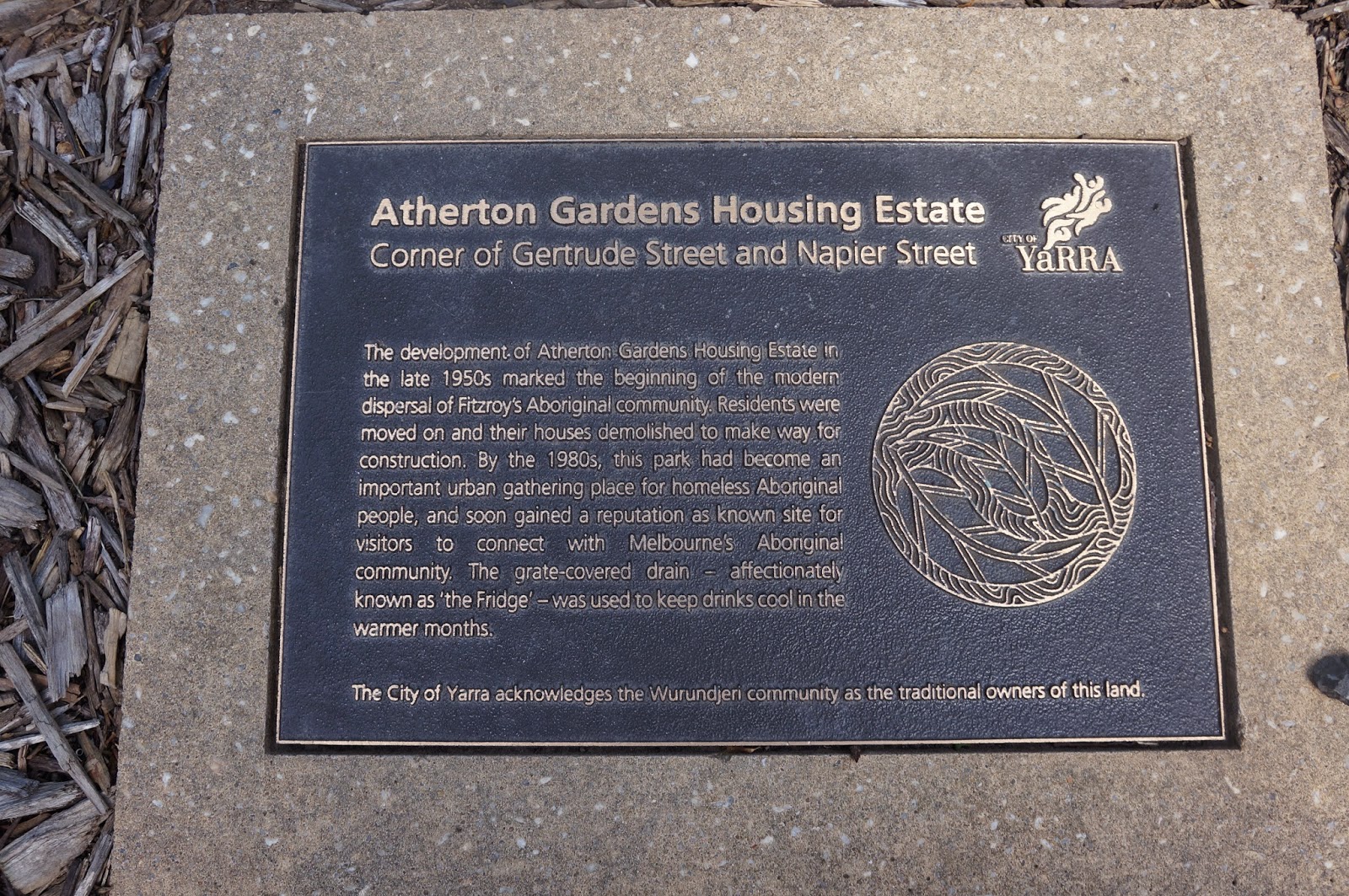
As we walk down Smith Street and into Gertrude Street, Robbie tells me about Fitzroy and how important it is to his community. The history of Fitzroy is very similar to Redfern. Robbie says that Fitzroy was built out of a ghetto. The community who lived in Fitzroy back in the thirties, his grandmother and his mother’s generations, lived where the Atherton Garden commission flats are now, with no running water or electricity. The CBD was off limits to aboriginal people. So they were finding their way from the reserves and ending up in Redfern and Fitzroy. There, they found some solidarity. Robbie credits much of this to the ability of the aboriginal women. They created organisations and instigated gatherings. Robbie’s mother, Alma Thorpe, was instrumental in building community-run health and social services for the aboriginal community, including the Funeral Service Committee which raised money to give proper burials to those who might otherwise end up in ‘pauper’ graves. Alma has recently been awarded for her many contributions to the community.
Up until the nineties, Fitzroy had aboriginally run Health, Housing and Social Services, as well as the Melbourne Aboriginal Youth Sport and Recreation centre on Gertrude Street. All of these buildings have now been taken over by other businesses or are empty, with only a plaque to commemorate the persistence, energy and hard work of the people who established and ran them.
When Robbie was growing up he enjoyed his community and the work his mother and others were doing. He thought they were going to be free doing all of that. The aboriginal community in Fitzroy inspired other communities, such as the Vietnamese community in Richmond, who went on to establish similar health services to those in Fitzroy. Prevention is the best cure and the land is the only medicine, was a well-known saying at the time.
This all changed when the only way to get funding from the government was to adhere to the Australian, rather than aboriginal system. With these constraints, many people, including Robbie walked away.
Robbie prefers to be independent and not get caught up in the system. He sighs when he tells me that the indigenous people are forced to educate the oppressor. He explains that aboriginal people see the land as their mother. That’s how sacred it is. And you don’t destroy your mother. Robbie describes the stark contrast to the ecocide he now sees by telling me: “We used to fish out the river. There were birds everywhere. You don’t even hear a kookaburra laugh now. It’s not a good sign.”
What he wants is a treaty. He wants the Australian government to acknowledge the past, create a proper legal foundation, leading to a constitution; a constitution for the people, by the people and based on a treaty of peace.
Stories like The Good Deed and the larger Fire Boy tell the story Robbie wants people to hear. But for him, life is a stage and it’s happening every day. He says he doesn’t have time to be creative and he leaves that up to Eugene and Ray. For Robbie, this is the act here and now.
For Robbie, winning is holding our head up and looking people in the eye. The weapon he carries is the weapon of mass destruction, the truth. He says he tries to be as truthful as he can possibly be. Nothing can stand up to the truth and he laughs, “It’s a very cheap weapon too.”
As we arrive back at the corner of Smith and Stanley Streets, Robbie leaves me with this: “I get energy from keeping truthful. I’m fighting ecocide and genocide and racism. I think that’s important. That’s what I do. I have a great life. I wish everyone was as free as me.”

neophilia

The Fat Duck: Bray on Thames: “A food fun park.” “…only visit if you take the preparation of interesting food seriously, it’s an experience, not a meal. That’s what you’re paying for.” “…sublime,” “..simply wonderful.” and “…gastronomic delight.”

There is no doubt that Heston Blumenthal is a very clever man, who has worked hard for his accolades. And credit where credit is due.  He has done the research, talked to the right people, experimented, played, spent hours, days, months and years perfecting his approach and in fact, creating a “new cookery” which celebrates scientific understanding, precision and technology to produce multi-sensory cooking.  
That the 16-year-old Heston was inspired to strike out on a road less-travelled when he visited L’Oustau de Baumanière in Provence is wonderful. I too, appreciated the wonderment of good French food when I was there and imagined all kind of things for myself amongst the heady scent of lavender, the sound of crickets chirping, the intoxicating aromas of well-cooked lamb, garlic and rosemary. And the sweeping Provençal landscape you can see from Les Baux de Provence, the tiny village cut into the rock that looks out over the Bouches-du-Rhone countryside, is breathtaking and soul-filling. I get it. But for Heston, it was so much more. For him, it was an extraordinary and pivotal experience. It was there that he experienced the epiphany that sent him on a career-long journey of discovery and invention to recreate, for this diners, that sensation he had had. I applaud that. But I’m not sure donning headphones to eat the Sound of the Sea dish is really the way to do it.
But back to Heston’s journey. Not content to learn from highly acclaimed Raymond Blanc at Le Manoir de Quat’ Saisons, 18 year old Heston, who had petitioned 40 chefs from top restaurants to allow him to work in their kitchens, heard back from 3 of them and chose Raymond Blanc, only lasted a week with him before deciding to strike out on his own. For the next ten years he worked a series of undemanding day jobs so that he could devote all of his free time and energy to experimenting with food.
He is most well known for his dishes involving ‘molecular gastronomy’, a term Heston, in fact rejects for its ‘complicated’ and ‘elitist’ associations. He prefers multi-sensory cooking or modernist cuisine. But following these principles has earned him three Michelin stars.
What exactly is molecular gastronomy or multi-sensory cooking? I think most people, who have even the slightest interest in foodie-type conversations, have probably heard of this food science-cum-alchemy. Molecular gastronomy first entered general vocabulary in 1988 when it was used by late Oxford physicist, Nicholas Kurti, and French INRA chemist, Hervé This.
Basically, this ‘science’ blends physics and chemistry to transform the tastes and textures of food to promote new and innovative dining experiences. Chefs adopting this approach use tools from the science lab and ingredients from the food industry.
In Heston’s hands, this manifests in such dishes as toasted brioche loaf, covered in frozen bacon and liquid nitrogen-frozen ice cream made from reindeer’s milk. Or meat fruit, where a combination of chicken liver pâté and foe gras is moulded into a ball and covered with mandarin jelly so that it looks like a big mandarin. Or snail porridge. Which sounds a little like something out of Beatrix Potter, but is in fact a rich almost risotto dish with sautéed snails, fennel bulb and parma ham.
 A lot of the chefs I have spoken to in Melbourne lately talk about just wanting to prepare ‘good’ food. They want to acknowledge the seasons and celebrate the textures and flavours of individual ingredients rather than overcomplicating a dish. Don’t get me wrong, they too are all about the experience. They too want a combination of friendly, good service, welcoming atmosphere, delicious food and atmosphere-creating music. They want their diners to leave having feeling satisfied and happy.
But they don’t charge $525 per person before alcohol for the privilege, aka. 12-15 courses of “pure food theatre”.
Heston Blumenthal’s iconic Bray restaurant, The Fat Duck, is coming to Melbourne. Heston has apparently long harboured a desire to open a restaurant in Australia. With his Bray building closing for renovation, and a Melbourne foodie crowd desperate for the latest and greatest, the timing seemed perfect for a ‘pop-up’ Fat Duck in the Crown Towers on Southbank.
Is Heston Blumenthal’s product all smoke and mirrors? Are we victims of some kind of emperor’s new clothes scenario? His announcement of the cost of his degustation menu was met with excitement and almost frothing at the mouth of many Melbourne foodies and also a certain amount of indignation from other quarters. He countered the indignation by explaining that he is moving his whole kitchen, equipment and staff over from England; he sources the very best of ingredients from around the world; and many of his dishes take a long time and particular care. That’s what you’re paying for.
And such is the popularity of The Fat Duck, that a ballot system has been set up for wannabe diners to secure one of the 14 000 seats available over the 280 services it will run.
It just really seems like a lot of money. There is so much need in Melbourne in terms of the homeless, the ill, and families not knowing where the next meal will come from. Organisations like FareShare who rescue food which would otherwise end up as landfill from supermarkets and farmers, cook it and redistribute it, need $30 000 a week to run. They are not government funded. That a couple can go out and pay over $1000 for dinner…I’m just not sure.
Heston did do the charitable thing though. Three charities, Magpie Nest, Starlight Foundation and Snowdome have each been given tickets to the chef’s table which they will be auctioning off to raise funds for their organisations.
And really, if I were given a ticket, would I go? Of course. Obscene on my part to make all this fuss and then say, actually I’d like to see it for myself. But also a moot point. And anyway, what on earth would I wear?

mina no ie

Make yourself at home.
The same team that brought us Japanese good taste in Cibi in Collingwood, now have a second incarnation in Mina no ie.
Mina no ie wants those who enter its door to feel at home; comfortable, but also inspired. And their way to your heart is through their food, which they describe as, “simple, life-affirming dishes that provide energy, health, comfort and balance”.
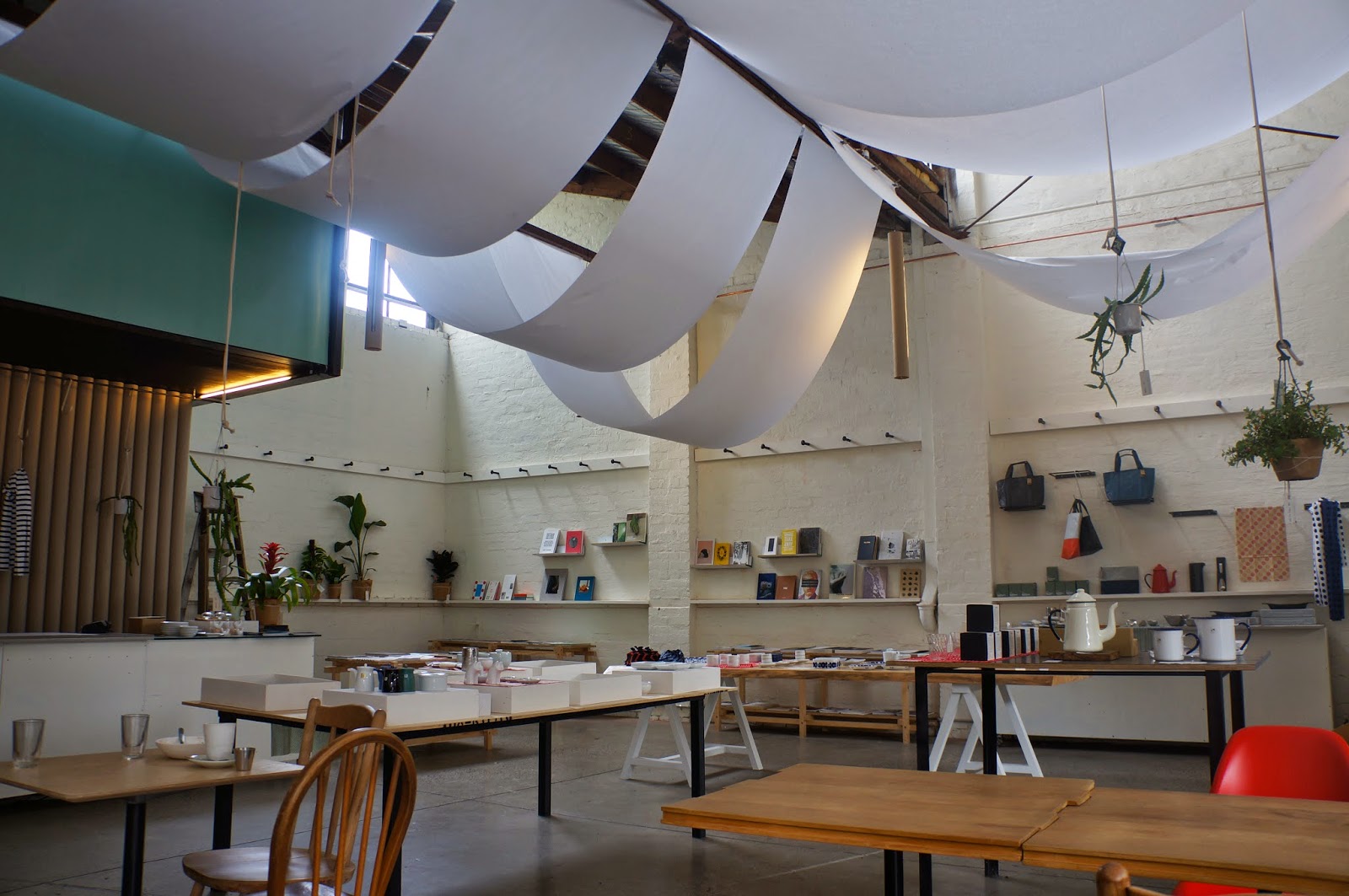
The setting itself has a good, clean feeling and also the feeling that some effort has been gone in to making it welcoming. Ostensibly a warehouse in dress-up clothes, the space has been transformed by a faux bamboo wall made from large cardboard cylinders and huge white swathes of fabric that loop from the ceiling creating the sensation of being in a very large, light and airy tent.
Industrial wooden benches and trestle tables hold Japanese ceramics, fabric and art books. You can feed your body and your mind and also find a beautiful birthday gift. Which is what I did.
The menu is simple. There is definitely no wading through a novel’s worth of choice. Toast with avocado or spreads, fruit toast with ricotta and honey, mina no ie granola and then some variations on egg dishes with a Japanese twist. Although, if you need meat at breakfast or lunch, this is not the place for you.
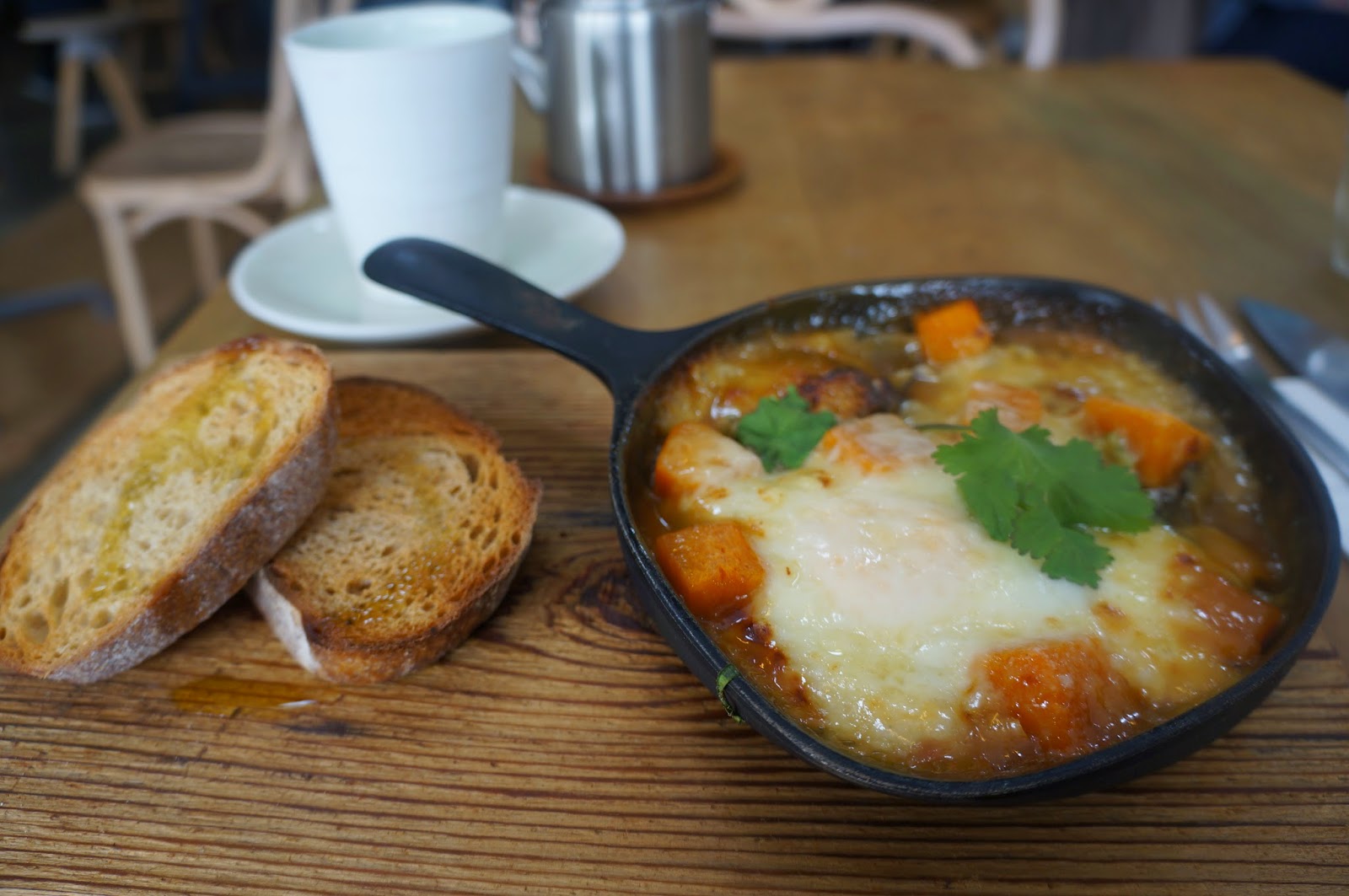
I opted for the baked egg with sweet miso, roasted eggplant, butternut, provolone cheese and sourdough. Served in the mini cast iron pan it was baked in, the combination of flavours was sensational. In fact, it was so good, I burnt my mouth as I couldn’t wait for it to cool down before devouring it.
If you visit between meals, there is a lovely selection of muffin and green teacakes available at the counter, as well as coffee, juices and a variety of green tea.
Mina no ie is a calm little pocket on Peel Street. Try it for yourself.