dj spooky

Paul D. Miller aka DJ Spooky, That Subliminal Kid is one year older than me, studied French literature and is a turntablist, producer, philosopher and author.

Unsurprisingly, I went through a process to get to DJ Spooky. Like Alice chasing the white rabbit down a labyrinth of tunnels, my attempt at explaining, amplifying, capturing the essence of an idea I have can sometimes be circuitous.

I think my problem is that I catch the scent of an idea and it excites me and I have to follow it, even if I’m not really sure what it is that I want from it. The alternative is holding back until I know what to ask for and know that the idea is one I can take hold of. But I prefer taking you with me on the ride.

I had just been lamenting to my brother that I wanted a better sound for my music, a sound that vibrated somewhere in my chest and made my smile because of its richness and complexity, and yet also its familiarity. I’m not sure I’m explaining this right. But when you hear well produced sound through good speakers, or when you hear the otherworldly extra buzz that comes from a group of instruments or voices in tune, there’s a familiarity you can’t quite put your finger on because it strikes some sort of resonant chord inside. A warm feeling of things being right.

This is what I want. And yet I accept the mediocrity of mp3s from my phone playing through a dock. It’s shameful. When Tony, the guy who runs Klapp Audio Visual in Windsor showed me what music could really sound like and reminded me about frequency and vibration, of course I wanted to update my woeful situation.

On Saturday night I watched a DJ deftly play records in a bar in the city. He was in control of his turntables and the sound and the feel. He knew his songs inside out. What was coming next, when to change. And (I say this naively) what to do with all the buttons and slides.

DJs have a lot of power. Faithless told us that God is a DJ and certainly the nineties and the popularity of raves and the repetitive hooks and trance-like sounds of acid house propelled DJs into some sort of deified celebrity status.

Not only is the DJ in charge of the overall mood of the bar, club, event, choosing just the right next track from boxes of vinyl, the contents of which they know by heart, they are also in charge of the drop, the break and the meta-cognitive inclusion of a well thought out sample.

Clearly, I shouldn’t say much more because this is way beyond the realms of any kind of expertise I possess. And of course I want to know more.

So I did some reading. And I discovered DJ Spooky.

DJ Spooky seeks to make sense of the modern world through sound. DJ Spooky says that he “deals with the notion of the encoded gesture or the encrypted psychology of how music affects the whole framework of what the essence of ‘humaness’ is…To me at this point in the 21st century, the notion of the encoded sound is far more of a dynamic thing, especially when you have these kinds of infodispersion systems running, so I’m fascinated with the unconscious at this point.”

I’m thinking DJ Spooky is wanting to go a whole lot deeper than I by seeking answers in Antarctica, and in the creation of art from the flow of patterns in sound and culture.

I just want to enjoy good sound and, in the absence of being able to provide that for myself, I want to celebrate those who collect and catalogue good music and whose fingers know exactly where to find that on their shelves, are happy to share that with others and present it in a way that makes me nod my head with pleasure and the feeling that I’ve discovered an old and very lovely friend.


Paris: DJ Cut Killer Nique la police

i’m holding out for a hero

 
Where have all the good men gone? And where are all the gods? Where’s the street-wise Hercules to fight the rising odds? Isn’t there a white knight upon a fiery steed? Late at night I toss and I turn and I dream of what I need.
I need a hero.
This desire for a hero is a little bit caught up in the conversations I have had lately about men and women and the confusion of our roles and relationships.
You see, recently, I have been very aware of the discrepancies in what women say they want. We want men to be manly; strong and protecting and able to fix the taps when they don’t work. We also want them to be romantic, perceptive, poetry-writing and extremely competent lovers. We want them to want us, but not fawn all over us. They have to stimulate us intellectually but not make us feel stupid. They have to have their own interests, but we must be at the heart of them.
Basically what we’re after is a hero. But where did we get this idea of heroes? And why do we impose it on our men?
The medieval guys told stories about heroes and it’s a long time ago, but they were pretty good at it.
One of the prototype stories involved a knight referred to as the Fair Unknown. This hero is an unknown quantity at the outset; a nameless knight errant who rides into King Arthur’s court and demands a boon. By the end of the story, he has a name, a wife and land, none of which he has achieved by himself.
The question asked by one of his love interests: Who are you? is probably the most crucial question in the story.  
The medieval authors tended to uses their protagonists as devices of amplification. What I mean by that is who this man is and what his function is in the narrative lies at the heart of the poet’s purpose and plan. The fair unknown character becomes part of an elaborate authorial design to explore the process of writing and to expose the artificiality of creating a literary world.

This man is a non-entity. His background is unknown to others and apparently to himself. Everything is decided for him. When he first appears he asks for a boon, but thereafter seems unable to take the initiative. Far from being a pro-active hero, he is instead a reactive one. Almost all his decisions are made by someone else or by the fact that he is the hero and has no other choice than to act the way he does.

His passivity is reinforced by the function of the other characters. They warn him of impending danger, explain local custom and outline combat strategies for him. These other characters owe their existence in the narrative to the fair unknown as they have been included to act as his conscience, provide him with a sense of identity, motivate his actions and to furnish him with some sort of courtly backdrop. They are, for the most part, superfluous characters who turn up, carry out a role and then disappear.

But the most interesting exploration is that of the hero himself. One medieval critic says, you can’t take any old hero and put him in any old genre. And I think he might be right. The way in which the hero behaves relies on the genre into which he is written. An adventure requires the right knight. And the narrative is shaped by proving his ‘rightness’.

The characters in these stories are not part of real life or a real society. They operate in a literary world. They are not intended to represent real people or real psychological progression. They are there to support the line of argument that happens to interest their author.

The good men are there. It’s time we appreciated them.

I’m holding out for a hero 

just be and do. it will be ok

 
Sometimes the synchronicity of life fills me with feelings of abundance.

I just went down to get a coffee from the coffee stand at the bottom of the building. There was a woman there with two of those tall toy poodles. One of the dogs came up and leaned into me for a pat and I was taken with the fact that I could feel the trust and gentleness it exuded. That’s not something I do, feel the energy of dogs, but there it was.

The other dog had a huge stitched up gash all the way along its body and a little bottle draining fluid. When I asked the woman what had happened, she said that her husband had been out with the dogs last night and in running past a fence, the dog had ripped itself open on a nail.

It turns out the woman is also from Christchurch and has in the last few years made a career transition too. She told me to embrace the change, and never fear a lack of qualifications or what other people think. Everyone is afraid of everyone else, she said. “They all just want to know what you will offer them. You are wise, just be and do. It will be ok.”

finding the bean

Kings’ Day. Twelfth Night. Epiphany.

There are a few names for this date, the 6th of January. And also a few possibilities for what it is commemorating. The most popular choice is that it is the day when the church celebrates the arrival of the kings who came to present gifts to the baby Jesus. Many countries have traditions surrounding this date and they are largely a fairly happy mix of pagan and religious observations.

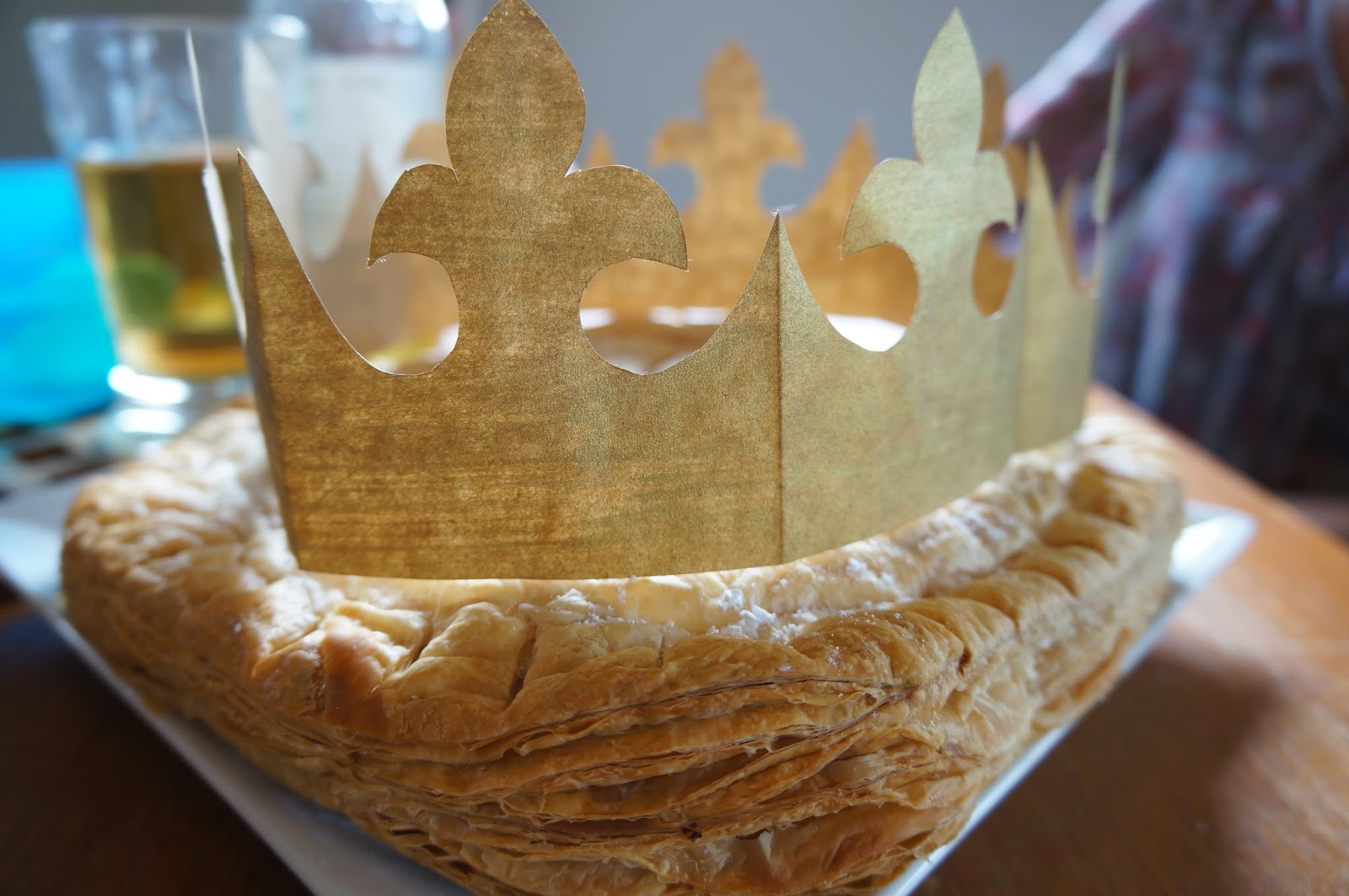
In France, a bean, or in recent centuries, a ceramic figure, is hidden inside the King’s cake. Whoever receives the special portion, gets to wear the crown. It is an interesting tradition to continue, given the nasty end of France’s last King. And, in fact, the cake baked for the President of France is bean-less. I suspect they don’t want anyone getting any ideas.

The 6th of January marks the start of Carnival, the period of time that runs on down to Ash Wednesday and Lent.

So it’s win, win really. Even if you don’t get the bean, there’s still a party.

Shangri-La

“People make mistakes in life through believing too much, but they have a damned dull time if they believe too little.” James Hilton, Lost Horizon

James Hilton’s twelfth book, Lost Horizon, came out in 1933. He is said to have been inspired to invent the fictional paradise, Shangri-La, a feature of his novel, after reading Austrian American Joseph Rock’s National geographic Magazine articles about the southwestern provinces and Tibetan borderlands.

Hilton describes Shangri-La as a mystical, harmonious valley whose inhabitants are, if not immortal, then certainly aging very slowly. The book’s protagonist, Hugh Conway, is a veteran of the trench warfare of World War I and the suffering he has witnessed and undergone himself has taken its toll on his emotional well being and physical health. It is for this reason that he feels so drawn to the tranquility of Shangri-La which offers him the inner peace, love and sense of purpose that he had lost.

It is not difficult to understand why the name is perfect for a chain of luxury hotels. The Shangri-La Hotels came into existence the same year as I did, in 1971. And so have been providing a luxurious haven for travelers for 43 years.

I like coincidences and I am quite happy to claim that one. Not that this trip required anything more to make it the perfect treat. Well, perhaps one more thing…

the far north

Before last week, I knew little about Cairns apart from the fact that mum and dad ate tiger prawns when they visited there. On the beach. 

I did not eat tiger prawns on the beach, I think to mum’s disappointment, but I did learn a bit more about Cairns.

The recipient of a very lovely and very generous gift, I was sent to Cairns for two nights. “To put me in the right frame of mind to start the new year.”

Two days and two nights of a tropical holiday. Because Cairns is tropical. It is in the far north. Which sounds far. And exotic. The city itself, if it can be called a city as it is actually pretty small with around 150 000 people, is not the main attraction of the area. Cairns is the gateway to the Great Barrier Reef and Far North Queensland.

Cairns owes its existence to the miners who arrived looking for gold in the Hodgkinson River goldfield and then became a major railhead and port for exporting sugar cane, gold and other metals and minerals.

Today sugar cane is still its second largest industry. Second to tourism.

It seems as though as soon as tourism becomes important and there is an economic drive to push it, people welcome tourists.The customer service in Cairns was exceptional. Everyone was friendly, welcoming and helpful. With the one exception of the taxi driver who picked me up from the airport. But then, he was listening to the summer cricket series on the radio and Australia were playing India. Of course, he would have been better listening to the Black Caps play Sri Lanka, because at least that would have had more historical and cultural significance. Black Caps Captain, Brendan McCullum, was playing in a way that earned him world-wide recognition as ‘the best batsman in the world’. But not everyone has the same priorities.

And I digress.

bunny night

Marc is an inspired chef.

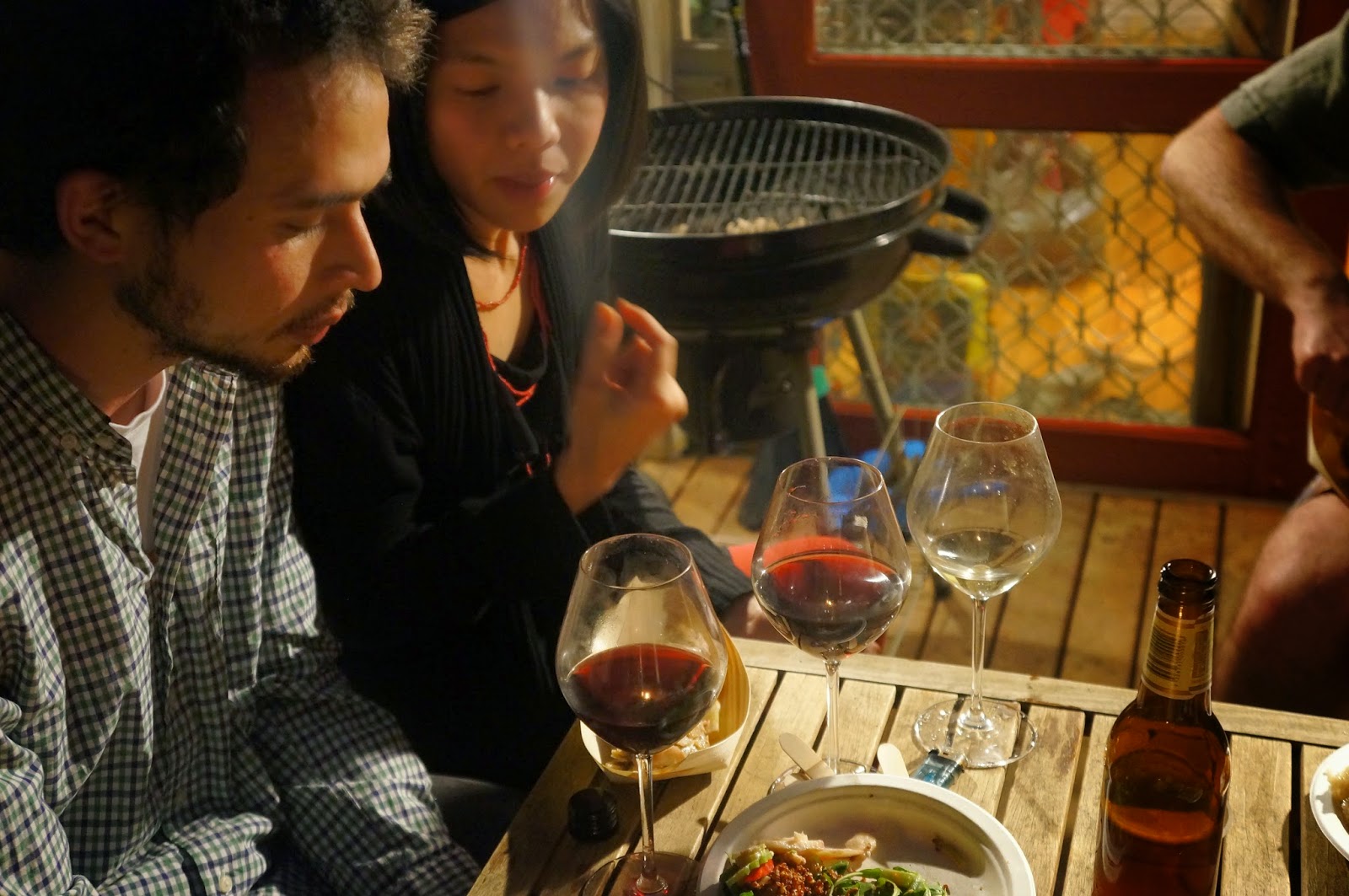
Every Christmas Eve, he invites his friends to bunny night. This is his fourth.

It all started when he first moved from France and didn’t know very many people. He decided he wanted to invite the people he did know and cook for them on Christmas Eve. Following on from a conversation he’d had about how good rabbit is, he decided rabbit was going to be the theme.

Always one to embrace a challenge, Marc was not going to just cook rabbit, he was going to cook rabbit several ways. Which he did to great acclaim. And so the tradition continues.

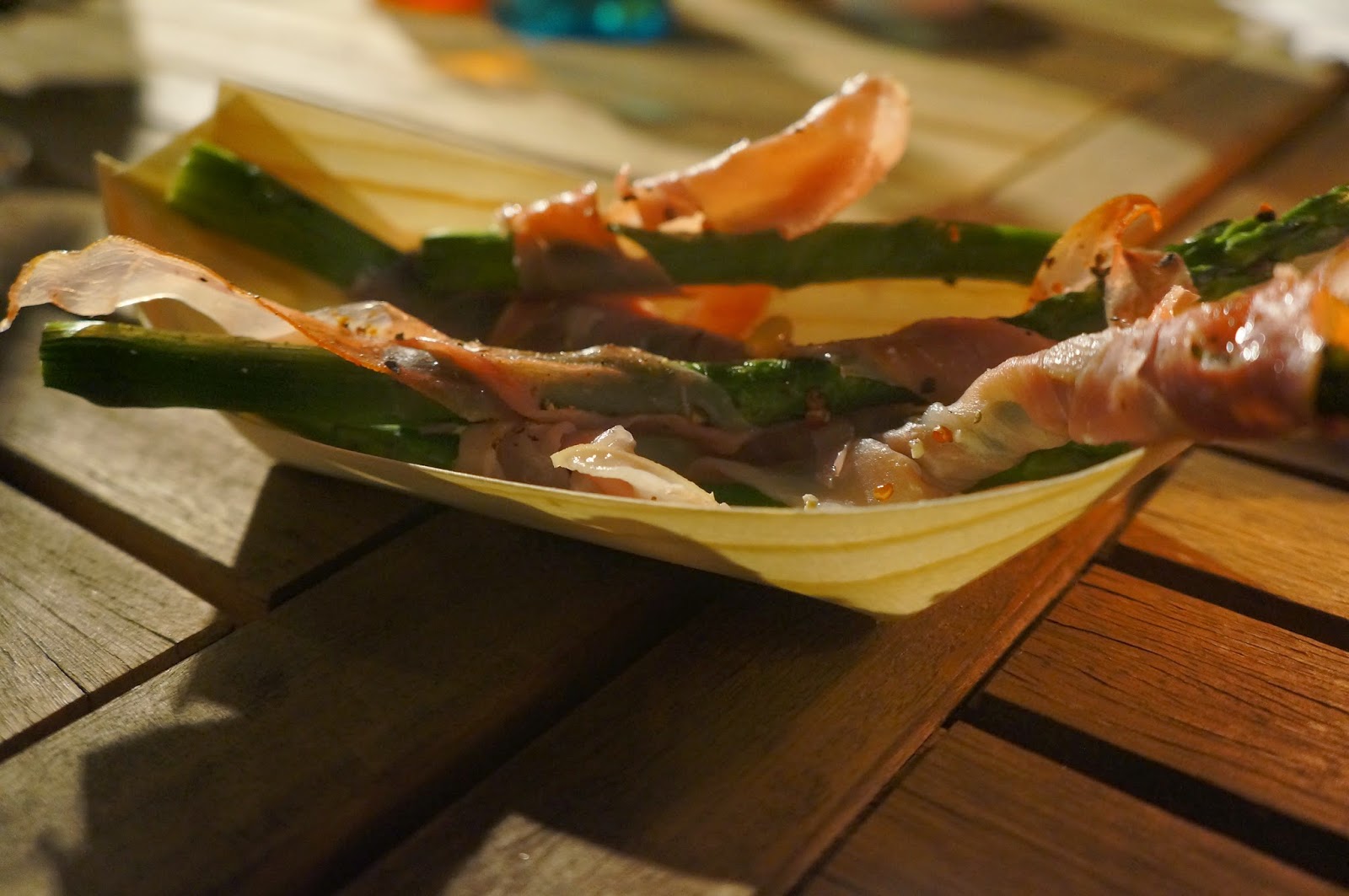
This was my third bunny night, and, while I have always been impressed with the myriad of recipes Marc finds and executes to perfection, this year, he nailed it. He chose recipes which meant that he would not be slaving over a hot stove and oven while his guests ate and drank without him.

Marc bought 40 rabbit legs. That’s a lot of legs. And, as he said, his, “rabbit legs were much large than he’d expected”. He had thought, two per person, that’s about right…”but some of these are huge; those rabbits are sporty,” Marc tells me.

He may have made things easier for himself this year, but the menu is still incredible and there are still hours behind his creations.

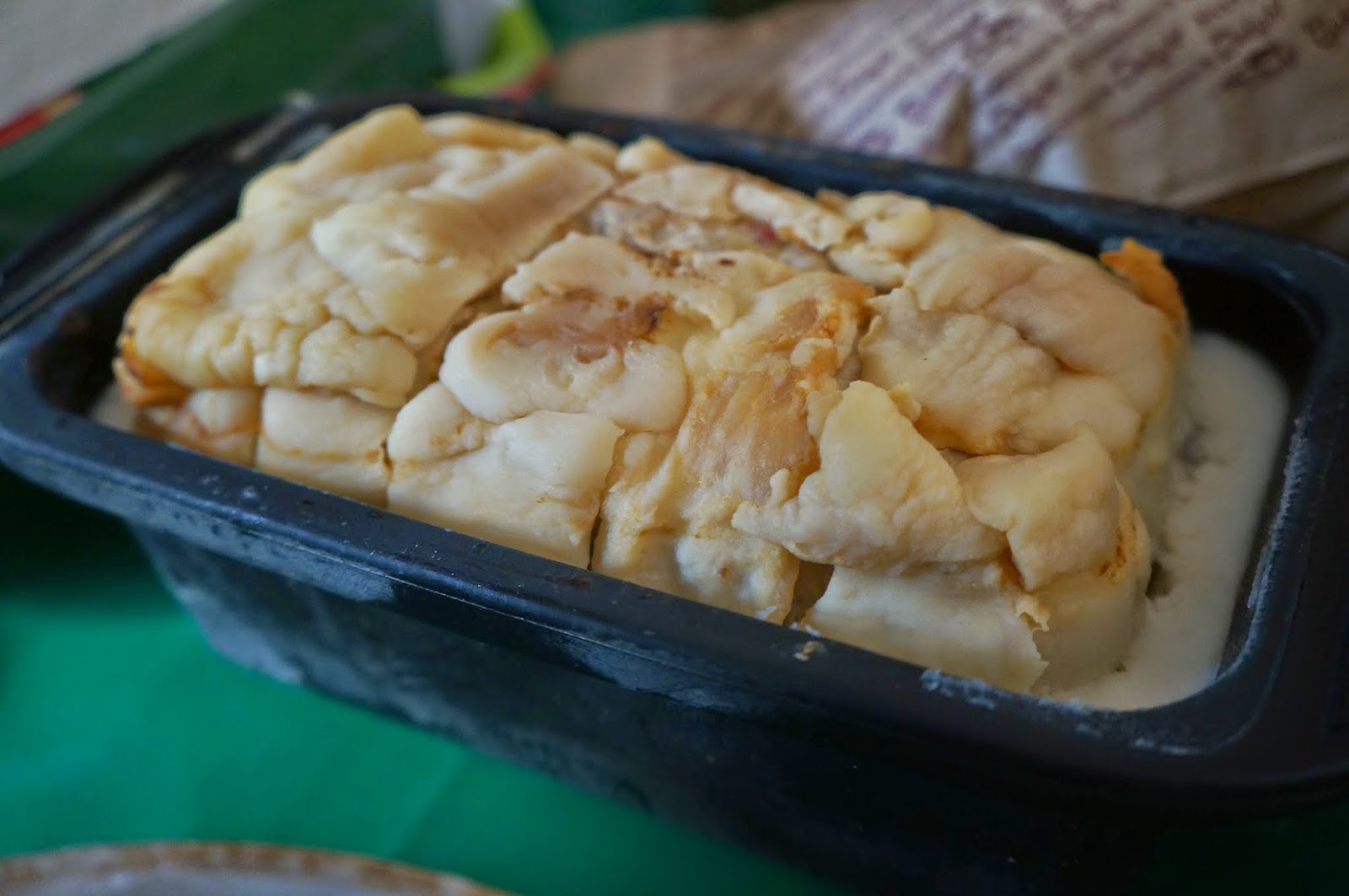
Rillette and a terrine made with rabbit and pork – pork must be used in these as rabbit is too lean to hold together on its own.

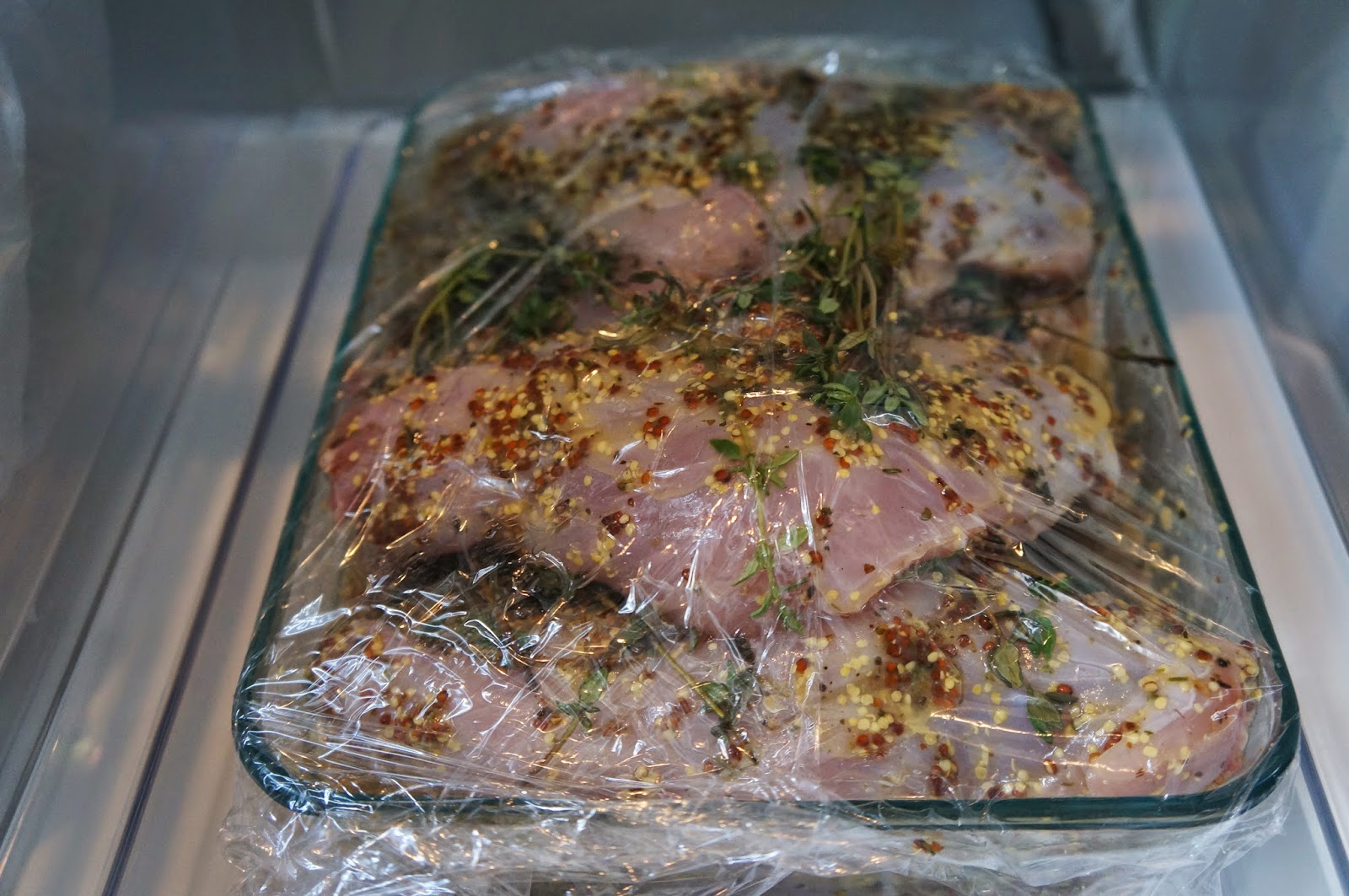
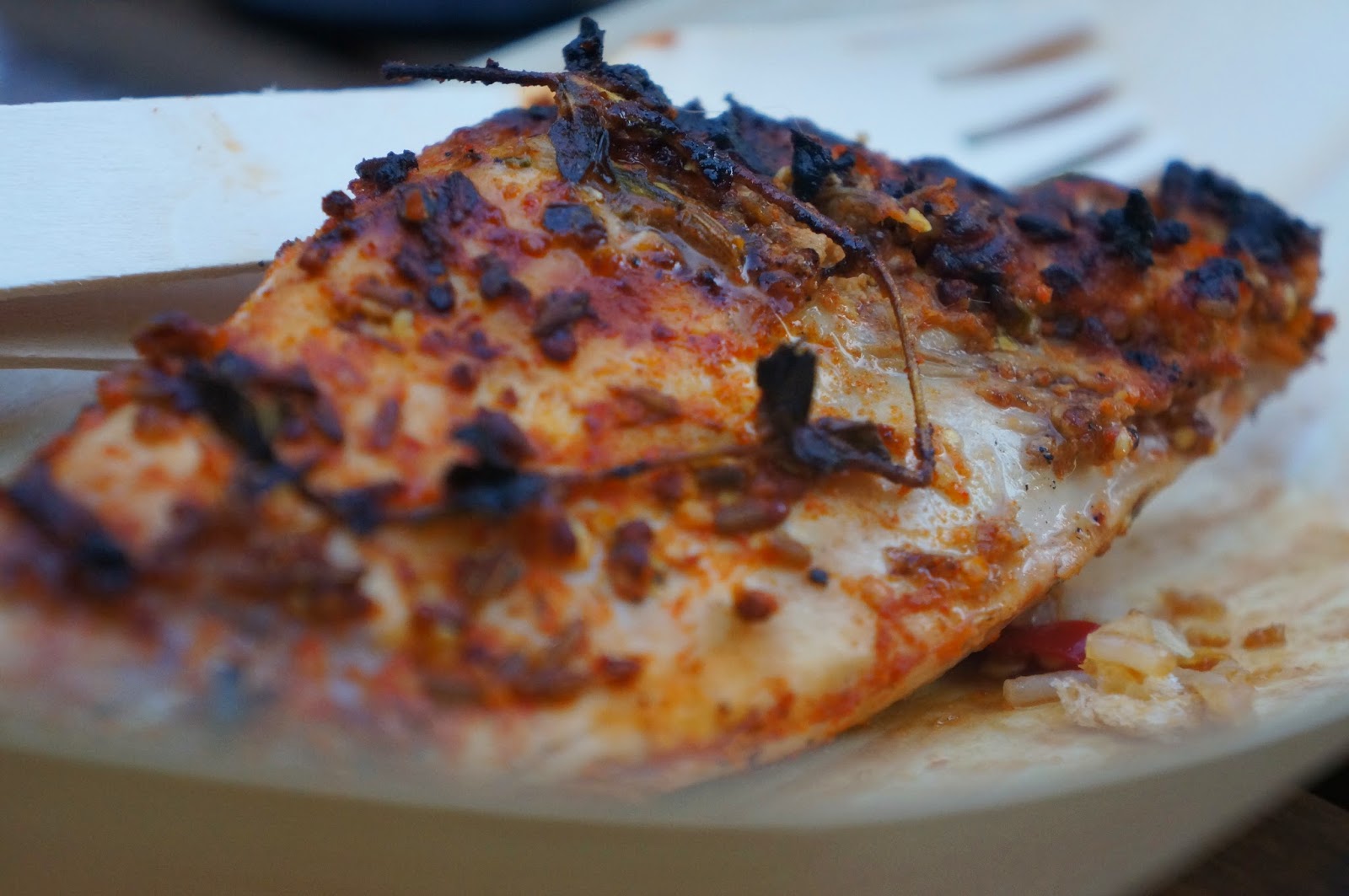
Marinated legs ready for the barbeque, one batch with paprika, cumin and mustard, the other with honey and seeded mustard.

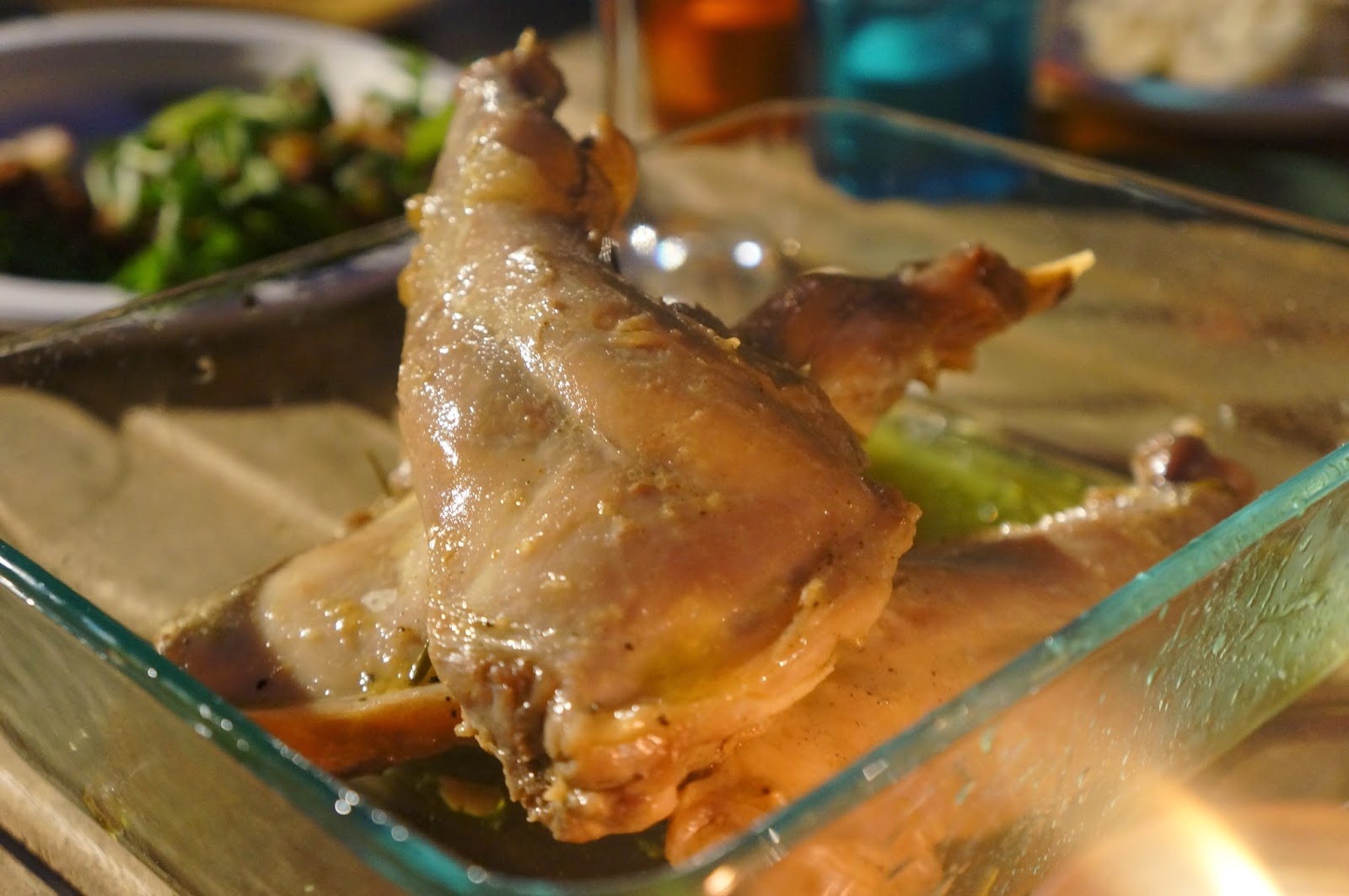
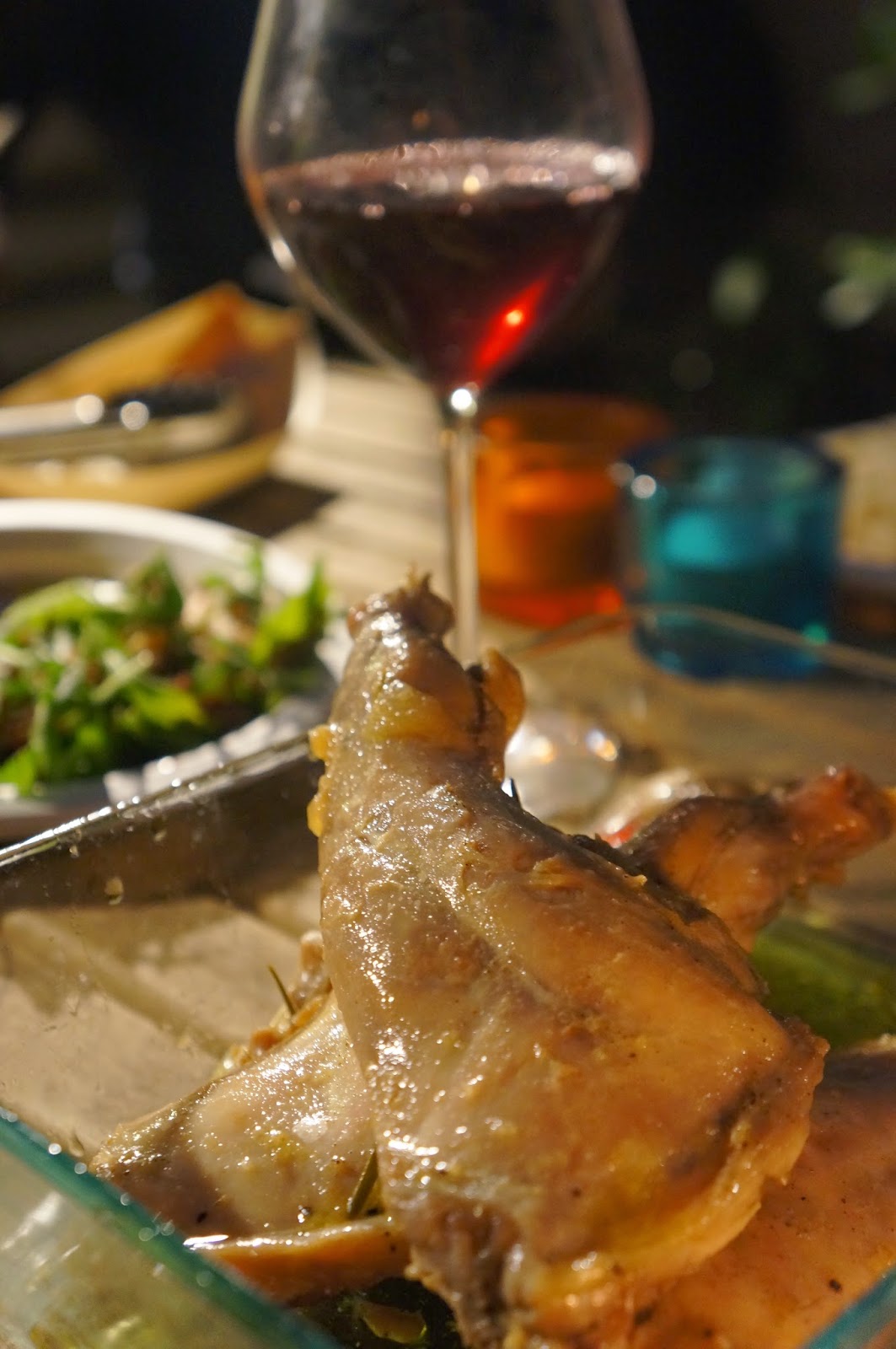
And the pièce de la résistance…confit de lapin/rabbit confit. Everything else was delicious. This was sublime. Slow cooked in olive oil, salt, rosemary and garlic, the meat practically fell off the bone and tasted incredible.
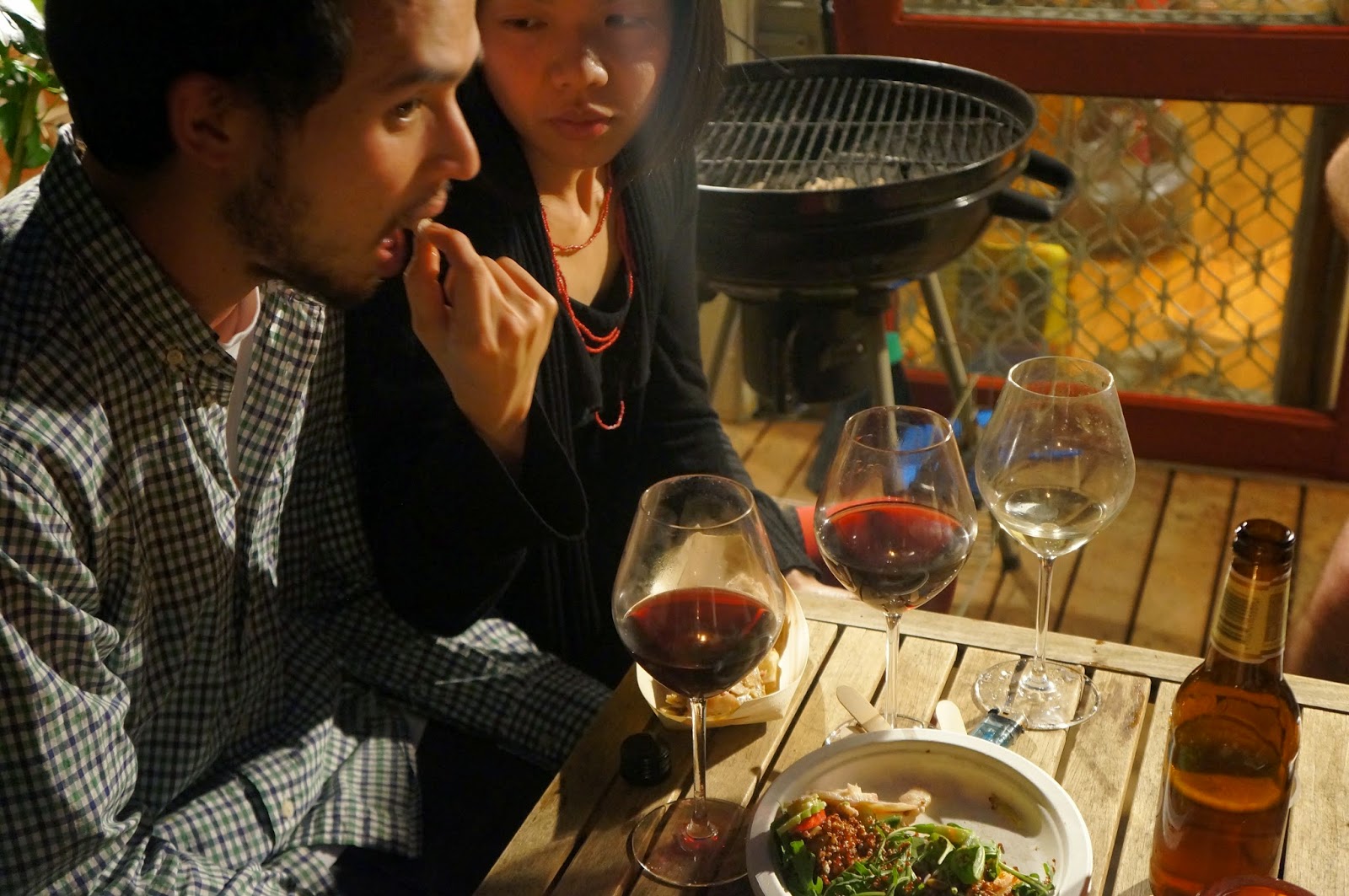
Marc has decided that “rabbit is his thing.” I think this is an excellent decision and I am absolutely willing to support it.

feasting

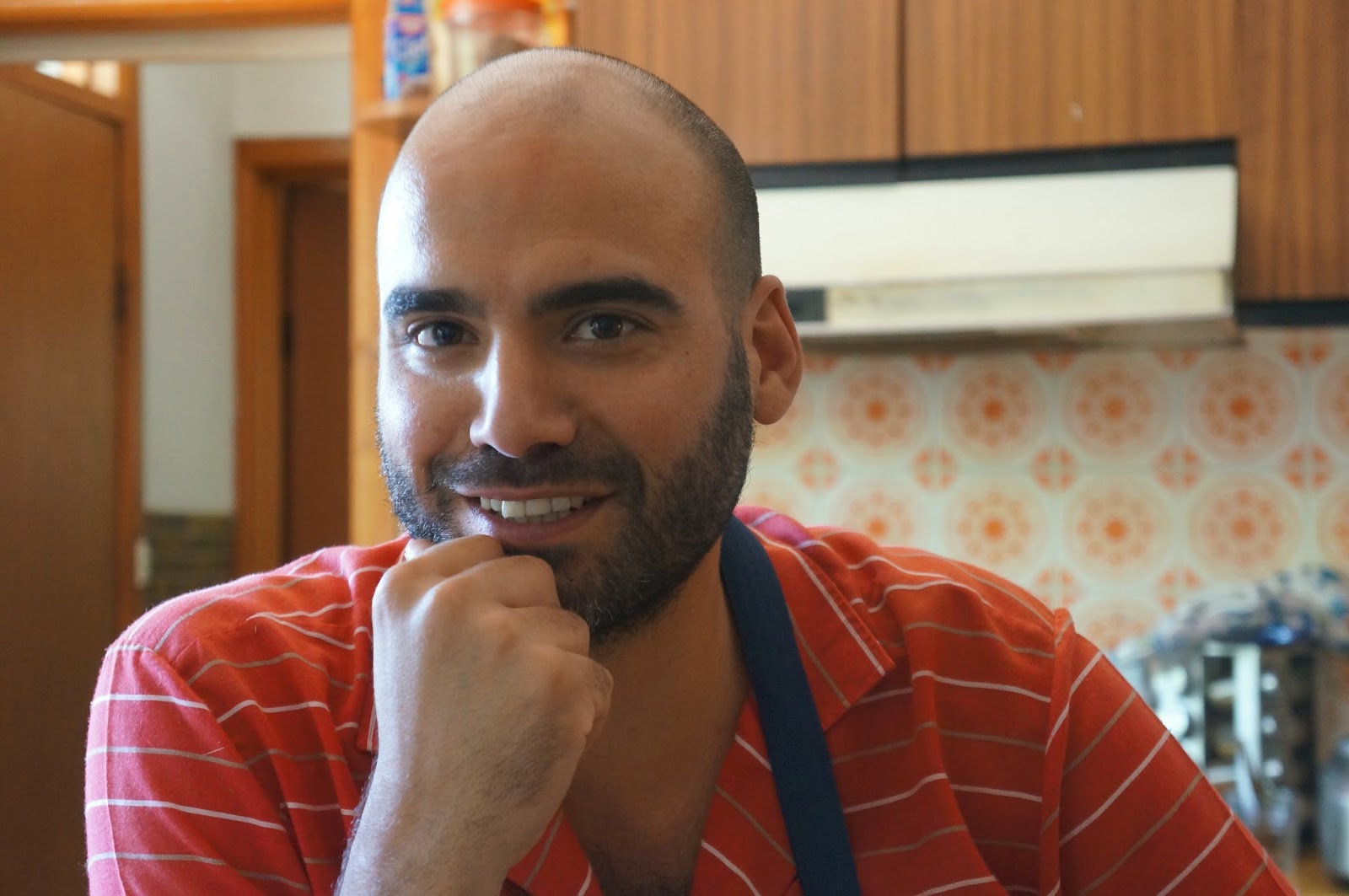
Yossi Arad is an excellent host. He likes taking care of people; making sure they are happy. 
 
Tonight he is cooking at home for more than 20 friends. He loves cooking. But what he loves even more, is watching people eat; seeing them enjoy flavours and textures and combinations of ingredients.
 
From what I saw of the preparation, there will be a lot of enjoyment tonight. Yossi is going all out. It’s a feast.
He starts by explaining one of the drinks he is going to serve. It’s a Lebanese drink he heard about from, “a lovely Lebanese woman,” from the Middle Eastern Bakery. The drink is made by soaking pine nuts in water, changing the water every half hour or so until the nuts are tender, and then finally filling a  jug of water with the nuts and adding jallab, a fruit syrup made of carob, grape molasses and rose water.
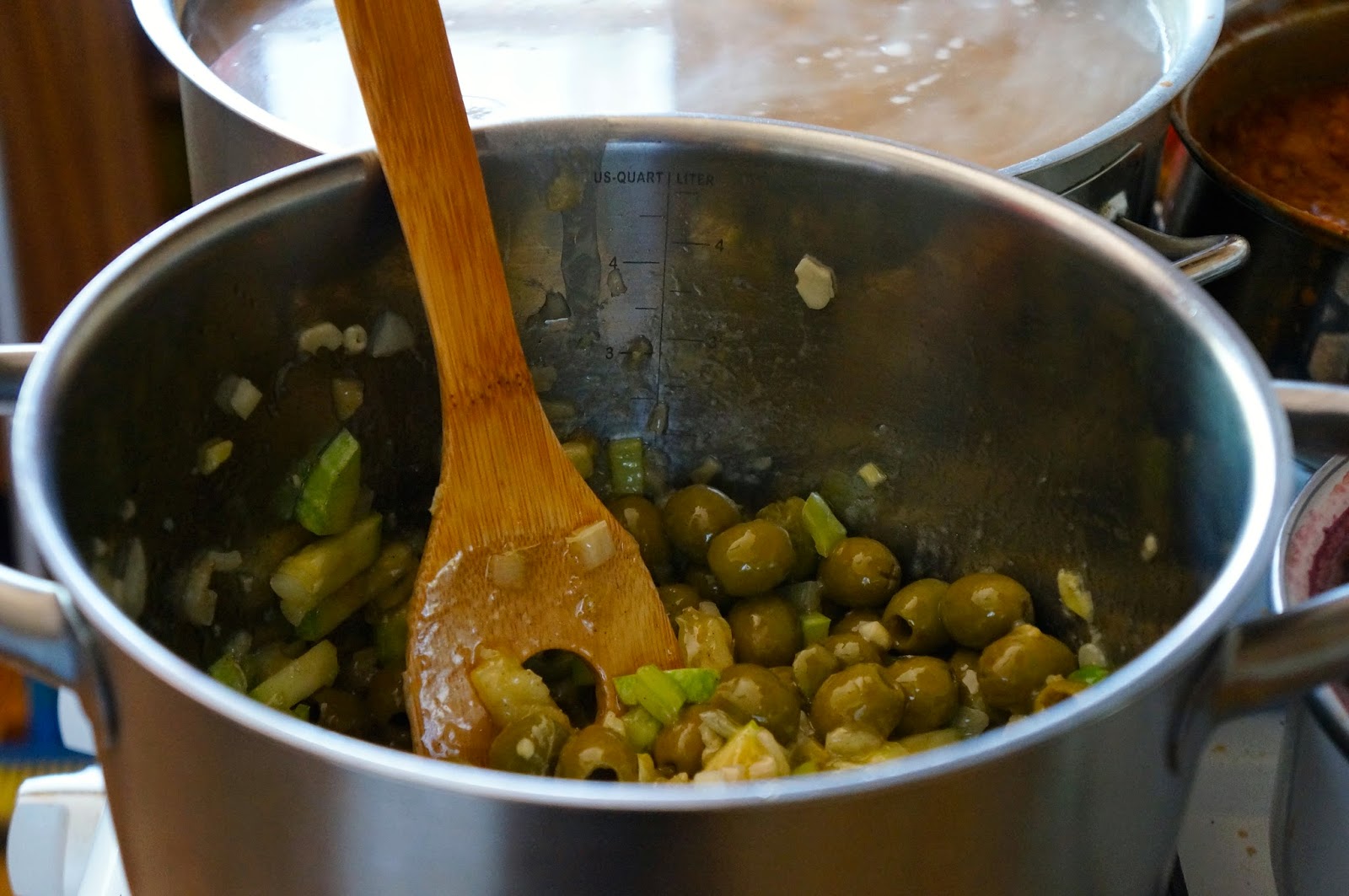
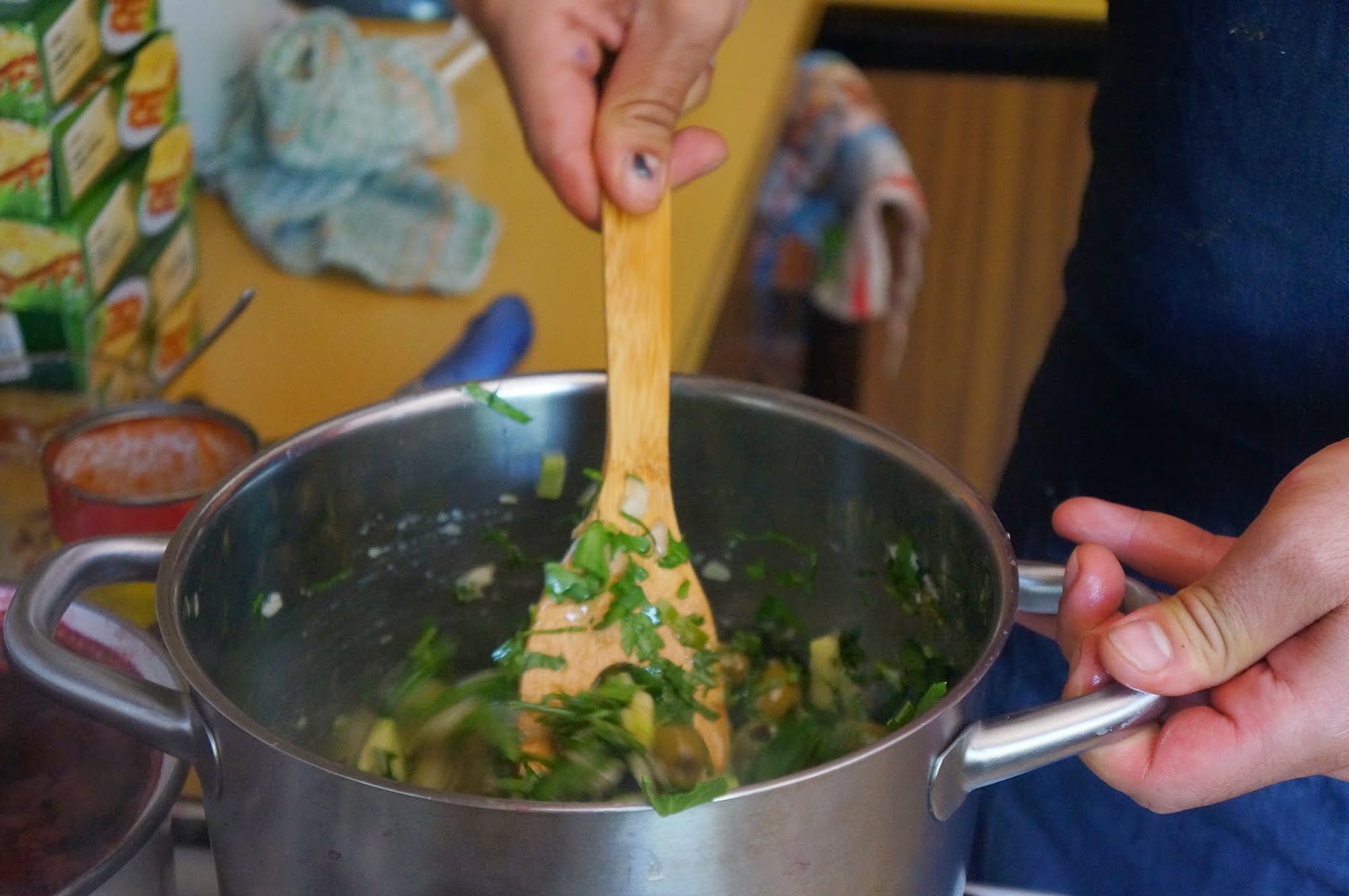
Next he explains the okra and olive dish he is preparing. He has boiled green olives from a jar twice to get rid of the acidic flavour. He does this, he says, so that they olives will take on the new flavours from the dish, rather than overpower them with their pickled flavour. He then fries onion, garlic, chopped long green pepper, a green chilli, and three sliced, preserved lemons.
 
Yossi, of course, preserves his own lemons. It takes seven weeks to preserve them. “Preserved lemons are a strange animal,” he says. “Some are stronger than others.” He chooses juicy lemons with thin skin so that he can pack them down tightly when he is layering them with salt in the jar and so that they are juicy and full of flavour.
Once the onion mixture has softened, he adds chopped flat parsley and coriander. He doesn’t mind the stalks, he says. They add to the flavour. He wouldn’t garnish a dish with the stalks, but they do add an extra intensity to the ingredients. Once the herbs have been added, he covers this mixture with water, adds a tin of chopped tomatoes and then places the okra onto the surface, so that it is merely ‘swimming’. Okra must be treated with care. If it disintegrates while it’s cooking, it just looks like ‘snot’. Hence the careful placement of them. Cover the pot and allow to simmer for about half an hour.
This is a recipe born from a conversation with his mother about childhood food memories. Most of his recipes are inspired by things his mother cooked at home in Tel Aviv. And now Yossi likes to add his own twist.
At the same time as the okra is doing its thing, there is a fava and tomato dish reducing on the back of the stove. This will be the topping for the hommus, Yossi explains. Fava beans, garlic, spices and tomato, with a little of the ‘hommus stock’ (the water the chickpeas are cooking in) added now and then to give thickness and richness. The idea is that this mix cooks down so much that the tomato is no longer acidic but just provides an abundance of flavour. 
And the hommus, itself, well that has come from investigations into recipes from three different people; two chefs and a cousin. In the end, it was the cousin’s recipe which was the best. Yossi’s cousin is an amateur cook, but he makes great hommus. So much so, in fact, that his brother uses his recipe in his hommus joint in Israel. “So if it’s good enough for him…!” says Yossi.
For Yossi, finding the right hommus recipe or adding okra to his mother’s recipe is about experience; knowing food. Everyone has different tastes, and for hommus, apparently, everyone has a little secret that makes their hommus the best. And maybe it’s a good thing that everyone is proud of their own recipe because that allows for variety.
Yossi’s recipe “isn’t anything fancy”. The key is in cooking the chickpeas until they are ready; when they feel like butter when you press them between two fingers. The other vital step is cooling them completely before blending them with garlic, salt, lemon juice and tahini.
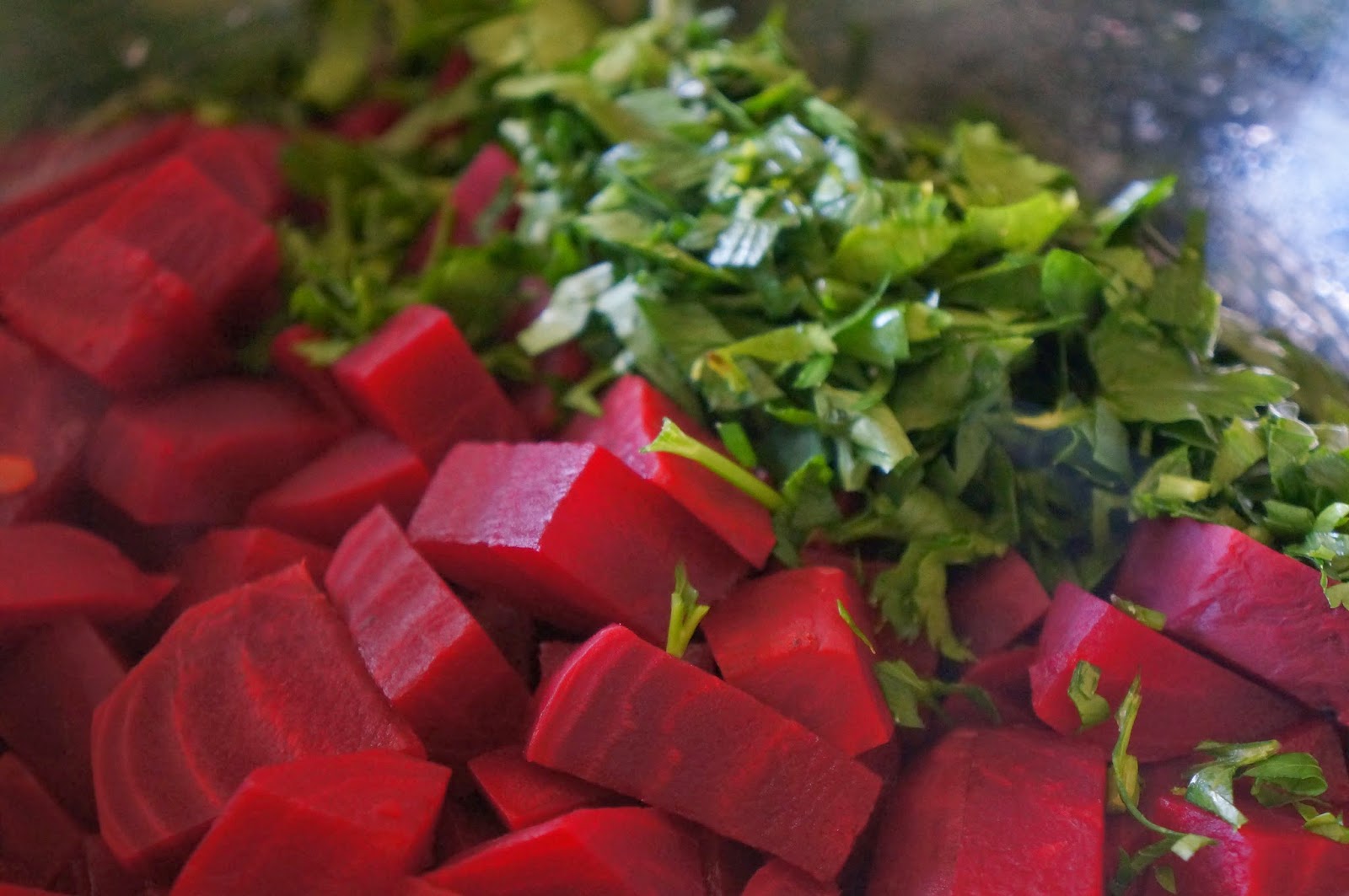
Yossi has also made a beetroot salad with diced beetroot cooked until it’s al dente, and mixed with chopped flat parsley, 2 caps (caps, not cups!!) of white vinegar to give it that little zest, a couple of pinches of salt, a pinch of minced garlic and a generous splash of olive oil. It’s better to add the other ingredients to the beetroot while it is still warm so that they cook a little and their flavours are released.
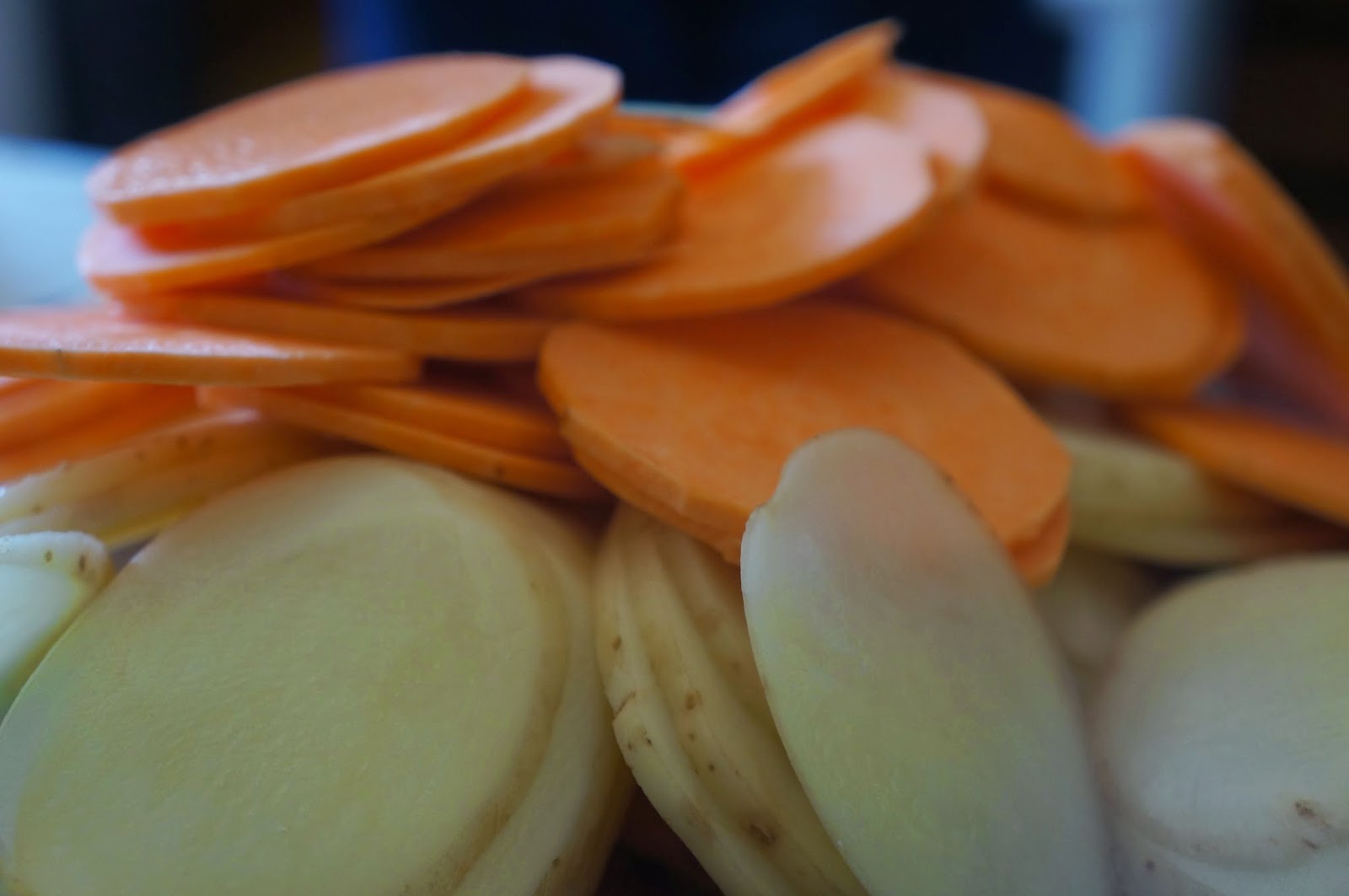
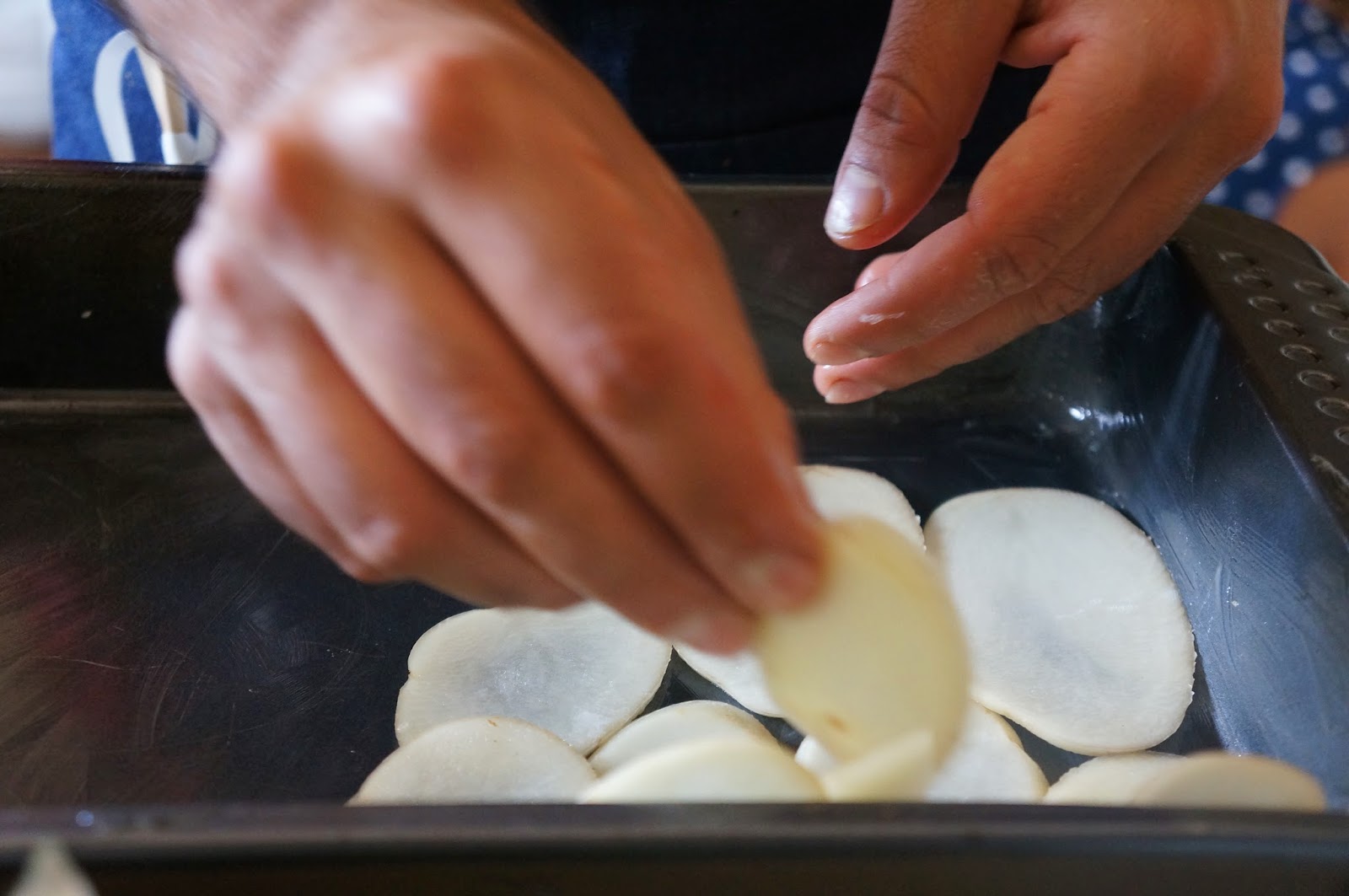
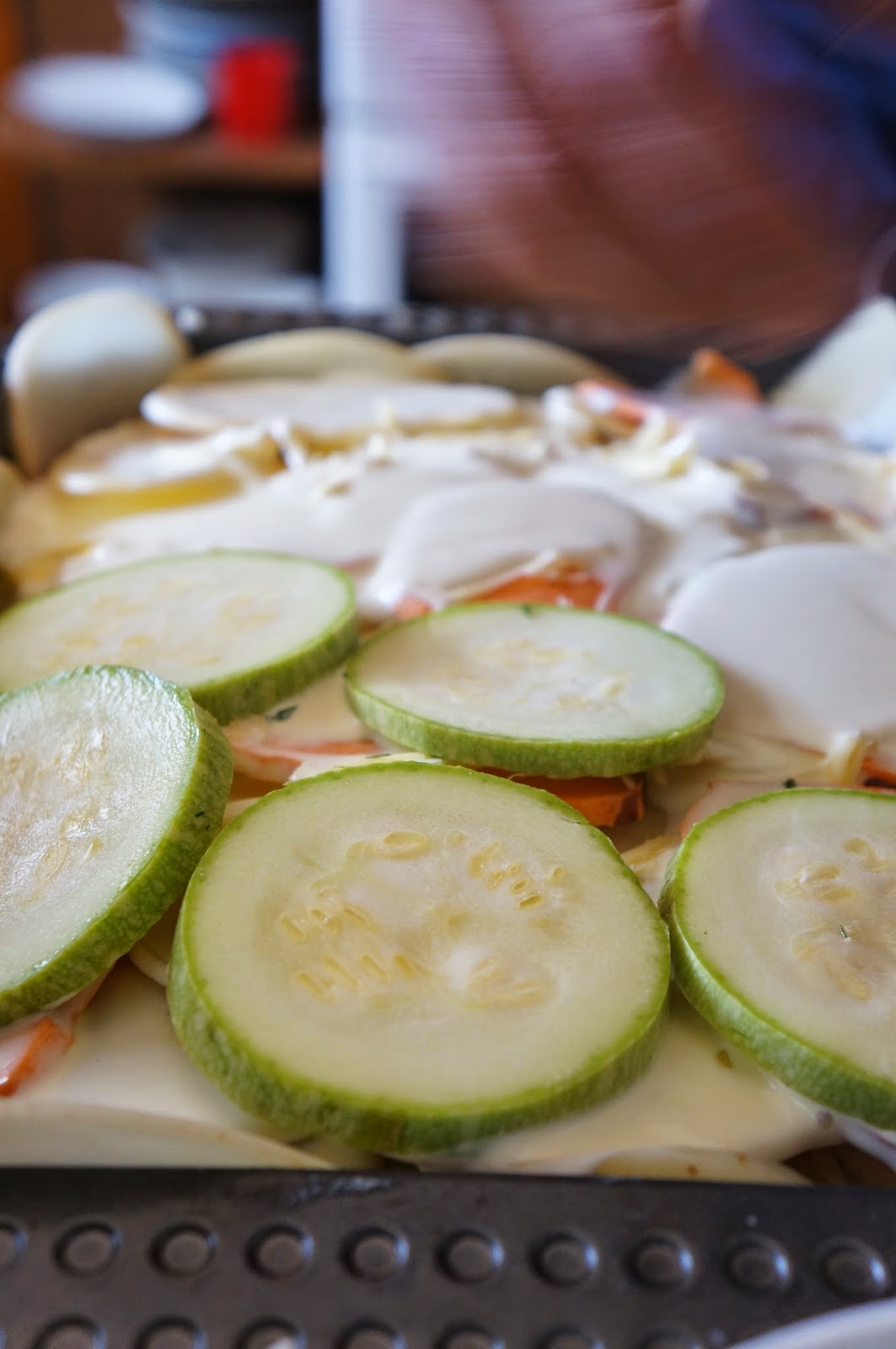
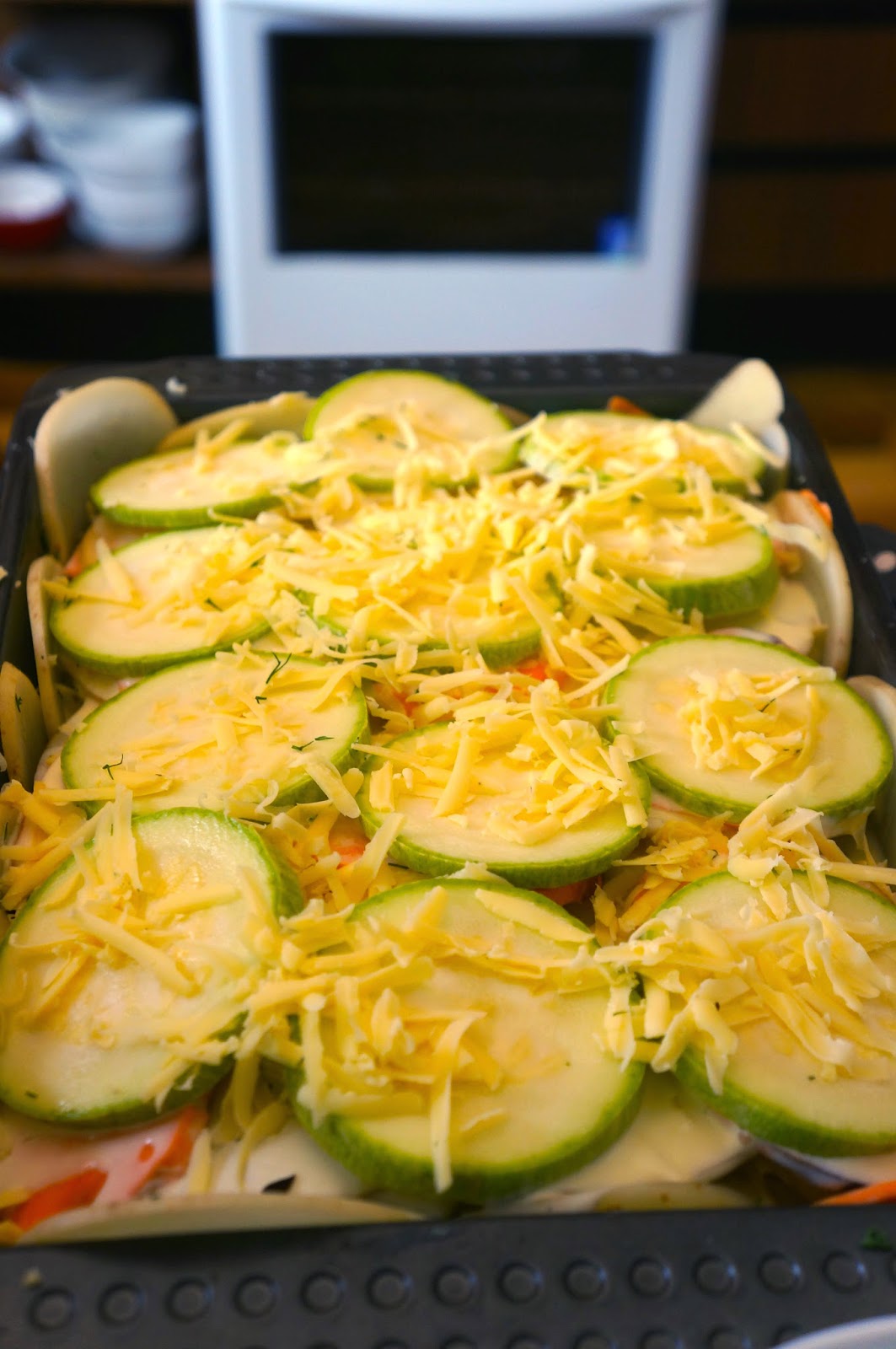
There will also be little pork sausages roasted with rosemary and salt; a very large roll of roasted pork with crackling and scalloped potatoes with mushrooms, aubergines and zucchini…to please the vegetarians.
I didn’t get to see or taste the finished product, sadly, as I am going to “bunny night”, a Christmas Eve tradition a French friend of mine has where he cooks rabbit several ways and we enjoy the fruits of his labours…but that is another story.


embracing the traveller

When we travel, we are open to whatever experience is revealed to us. In fact, we expect to see and to notice new or surprising or beautiful things. We are, in some respects, at the mercy of strangers. We are in unfamiliar circumstances and so rely on others to provide us with a fork or to give us directions or to tell us what time the museum opens. We are open to the people and circumstances that surround us. 
When we get home, we are often not as open. We lose the sense of wonderment and awe. We put our headphones in on the tram and stare at our smart phone screens. We don’t allow the unfolding.
If we can remain travellers while we are stationary, there is joy in that.

raw deal

Photo by Juan Marulanda

Renée is the Head Raw Chef at newly opened Home Juice Bar in Docklands. She is also my yoga teacher. Although, I have to admit, yoga and I have not been on the relationship continuum of late. I’m just so inflexible…
Since I have known her, Renée has always been a passionate advocate of the plant based or raw organic diet.
I like food. Understatement of the year. But initially I, like many others, couldn’t quite get my head around what a raw food meal might look like. And, I’m ashamed to say, a vision came to mind of a big white plate dressed with a carrot pulled straight from the garden, complete with organic compost clinging to its non-genetically modified form and a handful of activated almonds. It sounded as though there would be a lot of crunching involved.
I was intrigued.
Now, I really like cooking and so I rose to the challenge. Not that there is much, in fact any, cooking involved. Nevertheless. I got some recipes from Renée, rolled up my yoga pants and got amongst it.
The first raw dish I made was a “lasagne”, which I took to a picnic in the Carlton Gardens. It was a vegan picnic and immaculate women with bright red lipstick arrived on retro wicker-basketed bikes with an array of incredible vegan and raw offerings. And mine stacked up. Quite literally, in fact, given it was lasagne, so from the start there is stacking involved.
Layers of very thinly sliced courgette instead of pasta sheets were alternated with layers of blended fresh tomatoes and a little salt, a basil pesto, and a cashew “cheese”, where the nuts are blended with lemon juice and tahini to produce a rich and creamy element.
It was like eating summer, if summer could be eaten. 
I was hooked.
Next it was fooling the family menfolk at the Christmas table with “cheesecake” aka raw vegan tart with soaked nuts and dates and maple syrup and suchlike.
There is greatness to be had in the raw food. The only thing is, all those nuts and organic first pressed coconut oil are fairly expensive. And the dishes tend to be labour intensive what with the soaking and activating and blending.
But Renée is finally getting to unleash her beautiful food on a wider public at Home Juice Bar, so I thought it was about time I got the complete low down.
I met with Renée the morning after she had spent the night in the kitchen preparing food. 
She explained to me that the concept of eating raw has been around for a long time, it’s just that it has hit critical mass and become popular in the last two years. The idea is that food in its raw state holistically contains the entire vitamin and mineral content our body needs and the enzymes remain intact. When we heat food over a certain temperature we are actually killing all of the goodness in the food. In saying that, she added, within the raw food movement, dehydration can be used, which is around 42° Celsius. The enzymes and mineral content within the food remain intact at that level of cooking…or un-cooking. Enzymes get missed a lot in the nutritional fads that come about. People talk about vitamins and minerals but they don’t go into the enzymes and pro-biotics. 
If you think about it from an energetic point of view, which is important for Renée, it’s about creating frequency. Everything in the universe contains frequency, she explained, and food is a portion of that frequency. 
“When we consume food in its raw state, we are consuming high frequency food and then as soon as we start to heat it, we are killing it or dropping the frequency. The frequency that we hold and the frequency the food holds is a co-creation. It’s feeding and nourishing us on a whole other level. Not only nutritionally but on an energetic level as well.”
Renée first started playing around with the concept of raw food in 2009, she recalls. The whole idea made sense to her. Coming from a background in Chinese medicine, it was an unusual flip because in Chinese medicine the foundation belief system is you cook the crap out of everything. Slow-cooked soups and stews with lots of meat. There was a lot of unlearning that had to happen for Renée. But, at the same time, working with raw food was a natural process for. She started researching and playing around with recipes. She would research normal recipes and think, “how can I turn this into a raw food recipe?” Then she realised that it wasn’t new. She wasn’t inventing anything. She had thought she was coming up with these great concepts but people were already doing them. So then she just embraced it.
When I suggested my idea that cold food in winter wasn’t particularly appealing to me, Renée agreed: “What it comes down to is that everyone is different. Every body type is different. Some people can handle a completely plant-based diet, some can handle only a certain amount of it. I believe it’s a seasonal thing. It’s important not to do something because it’s popular. You have to internally check how things feel for you. In the depths of winter, I believe that I need to eat warm soups and steamed vegetables, so I don’t choose to eat completely raw. When you eat seasonally and organically you’re choosing foods on a seasonal level and in summer, there are so many fresh vegetables and fruits and you want to eat more of that.”
Whew. Is what I thought.
Renée was adamant that I understand her philosophy, “When we consume food, it’s an experience. Right from the moment we have the thought, we are already in the process. And it’s about sharing. You share the experience of food with others. For me, making food is like meditation, I am always in a good space. I wouldn’t want to make that food if I was upset. That’s the spiritual aspect for me.”
Renée is a Raw Food Chef and Yoga Instructor. She is also a legend.