the unpredictable swerve of atoms

Now and then it’s good to pause in our pursuit of happiness and just be happy.
Guillaume Apollinaire

The pursuit of happiness or being in the moment or achieving our bliss. These ideas are not new, but they are touted these days by gurus and self-help book authors and advertising strategists and t.shirt designers as though the concept of happiness was a discovery of the 21st century.

Clinamen. The Latin name Lucretius gave to the unpredictable swerve of atoms which occurs at no fixed place or time. Atoms move straight down through the void by their own weight, deflect a bit in space at a quite uncertain time and in uncertain places, just enough so you could say that their motion has changed. But if they didn’t swerve, they would just fall, like rain and there would be no collision. And nature would not have produced anything.

Lucretius would have this indeterminacy as providing the “free will which living things throughout the world have”.

Sometimes, as we fall through life, we collide with a person who alters our motion. The collision may be only brief as you move together for a moment, sharing space and time and food and wine and ideas and hopes.

But better to have swerved and collided than to have never swerved at all.


Timing. It’s everything.

Convergence. Divergence.

All.

Nothing.

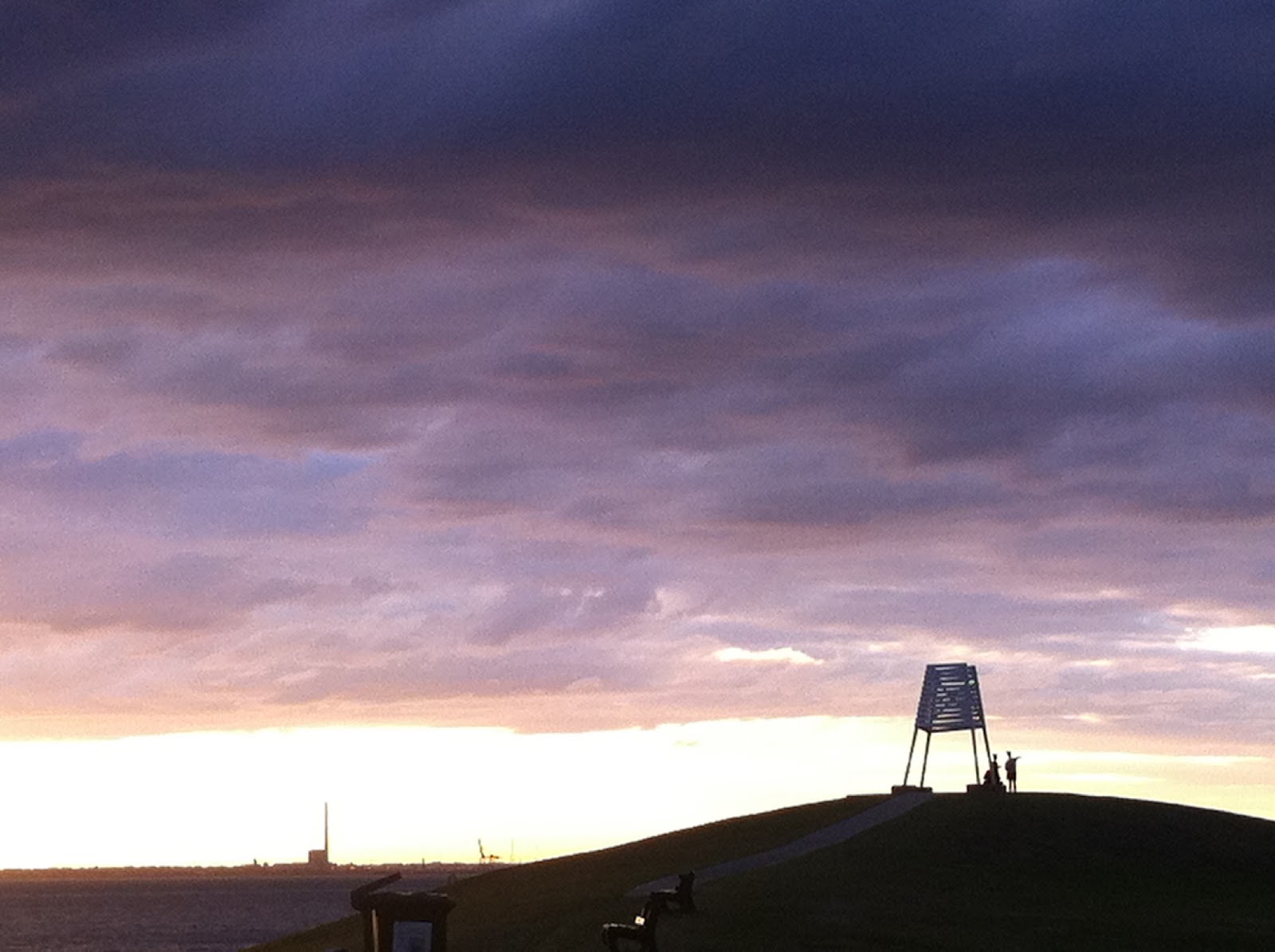
Golden, soul-filling, splendour.

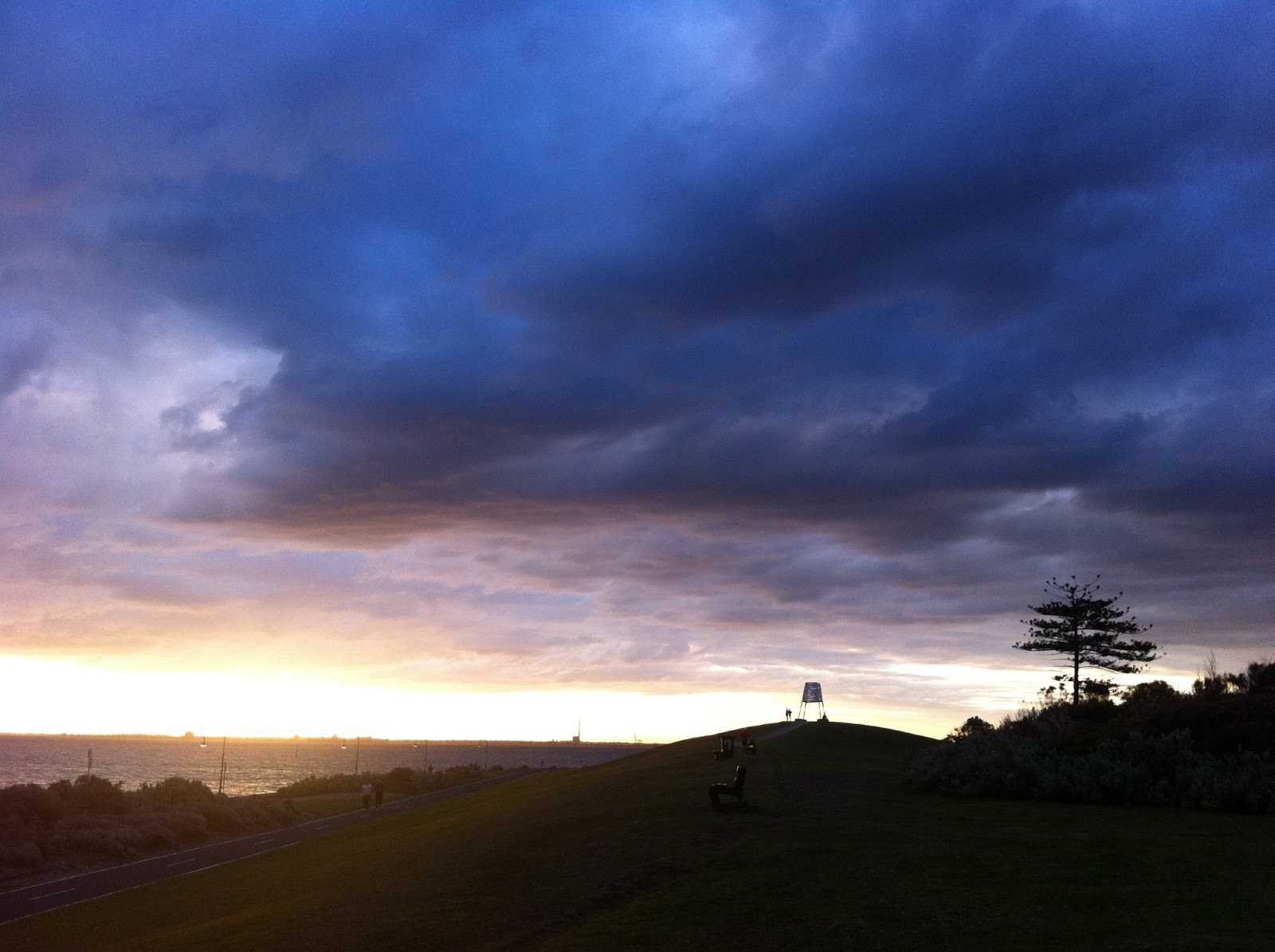
I could have missed it. But I didn’t. And I’m glad.

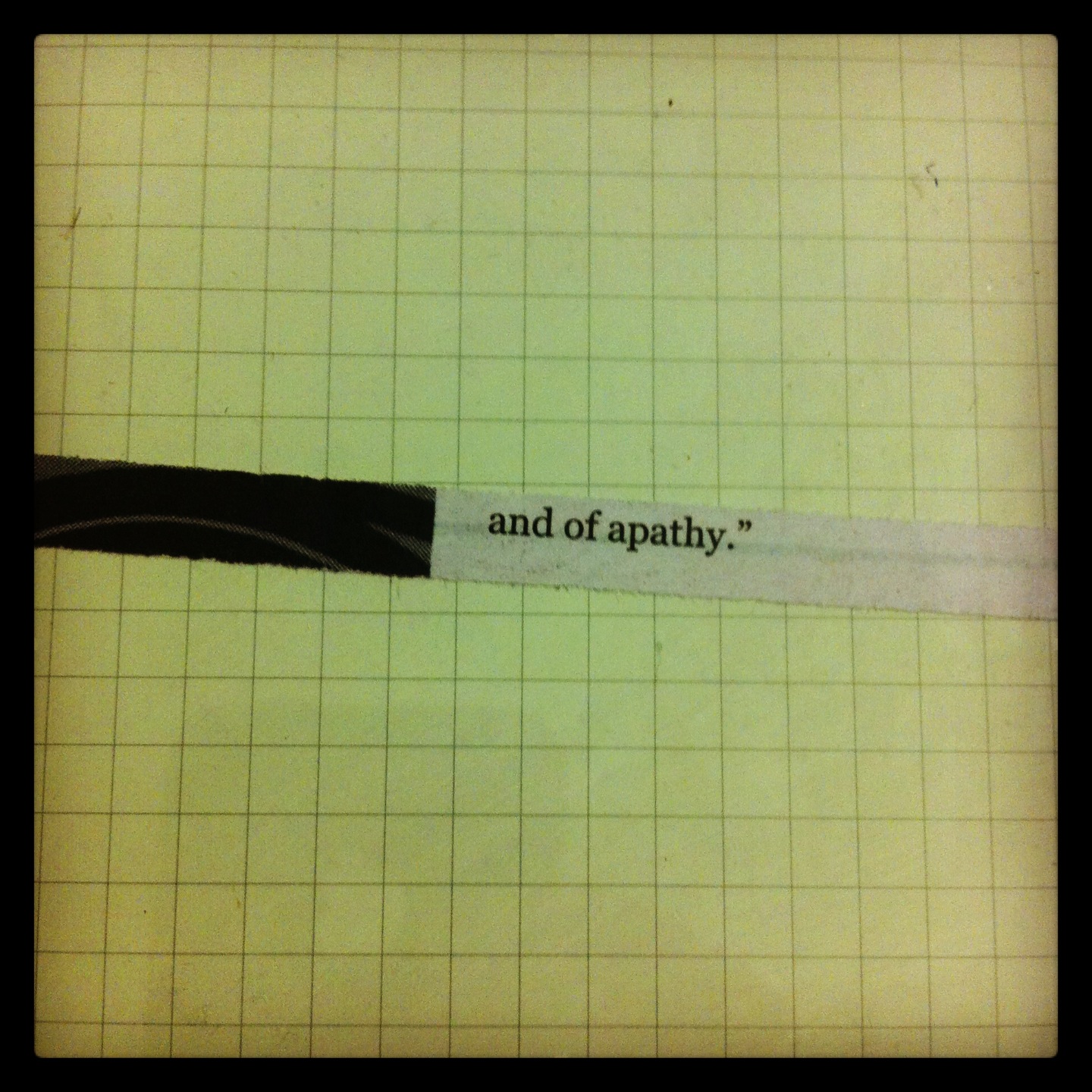
and of apathy

Sometimes things appear that don’t make any sense and are impressive all the same. I bought half a dozen farm fresh eggs. The guy behind the counter put my eggs in a container with a nest of shredded paper. When I opened the box, this one shred fell out on the bench. And I liked it. I liked the simplicity of those three words. I wondered what the first part of the quote was. I thought about the concept of apathy. Even just saying the word aloud has a sense of deflation about it. 

Looking at definitions of apathy, there seems to be a few ways of looking at it which range to fairly bland descriptions of a lack of emotion and passion through to apathy being up there with all that is evil, with one definition describing apathy and evil as two sides to the one coin. Evil wills it. Apathy allows it. Evil hates the innocent and the defenseless most of all. Apathy doesn’t care as long as it is not personally inconvenienced. Seen in this light, apathy takes on a rather dark cloak. Other views have apathy as a consequence of helplessness at the hands of a greater power or in the face of a course of events over which we have no control. I leave the last word to American novelist, John Dos Passos, one of the Lost generation writers who came of age during World War I: 

Apathy is one of the characteristic responses of any living organism when it is subjected to stimuli too intense or too complicated to cope with. The cure for apathy is comprehension.

mothershucker’s oyster hour

Strange Sunday evening. Dark clouds gathering. Big fat spots of rain on the windscreen. The perfect evening to be sitting on the third floor of a grand old building on Smith Street in Collingwood looking out through the large arched windows eating fresh Pacific oysters from the shell and drinking beautiful chablis. Fancy. $1 oysters…who can go wrong. Well, actually a lot could go wrong with $1 oysters but nothing did because this is The Panama Dining Room and they were perfect. 
10 people, 64 oysters, a few drinks, nice.


Extraordinary popular delusions and the madness of crowds

Tulpenmanie is how the Dutch refer to the period in the Dutch Golden Age just after the tulip was introduced to Holland. The tulip was different to any other flower known in Europe at the time with its saturated intense petal colour and everyone wanted in on it. At the height of tulip mania, some single bulbs sold for more than 10 times the annual income of a skilled craftsman.

This communal frenzy for a flower resulted in what has come to be considered the first recorded speculative, or economic bubble. Prices reached extraordinary heights and then collapsed. This rapid rise and fall is difficult for economists to explain and assessment of this period continues with controversial theories being put forward and arguments hotly debated.

* The title of this post refers to the 1841book by Scottish journalist Charles Mckay in which he outlines the folly that takes hold of the collective consciousness of a people in the face of economic, philosophical and social trends.

crystalised

what does their name mean? chromosomes? kisses? legend has it the members of the band just liked the way the double x looked on the screen.

seeing the xx live, i was nervous. i love their music. how would they be live?  

festival hall in west melbourne. a ‘concert and sporting venue’. it was known as the original house of rock and roll and has apparently hosted some pretty rocked out nights. how would the xx fill this big, dirty space?

enigmatic, ghostly music. thoughtful reflections on love mostly.and heartbreak. that’s what most musicians sing about, i guess, but somehow the xx make it different.

they did fill the space, and mesmerize the people and their voices were even better live than on cd.

as I gazed around the warehouse space, there were a lot of people nodding, like a collective agreement, yes, this is good.

some like it hot

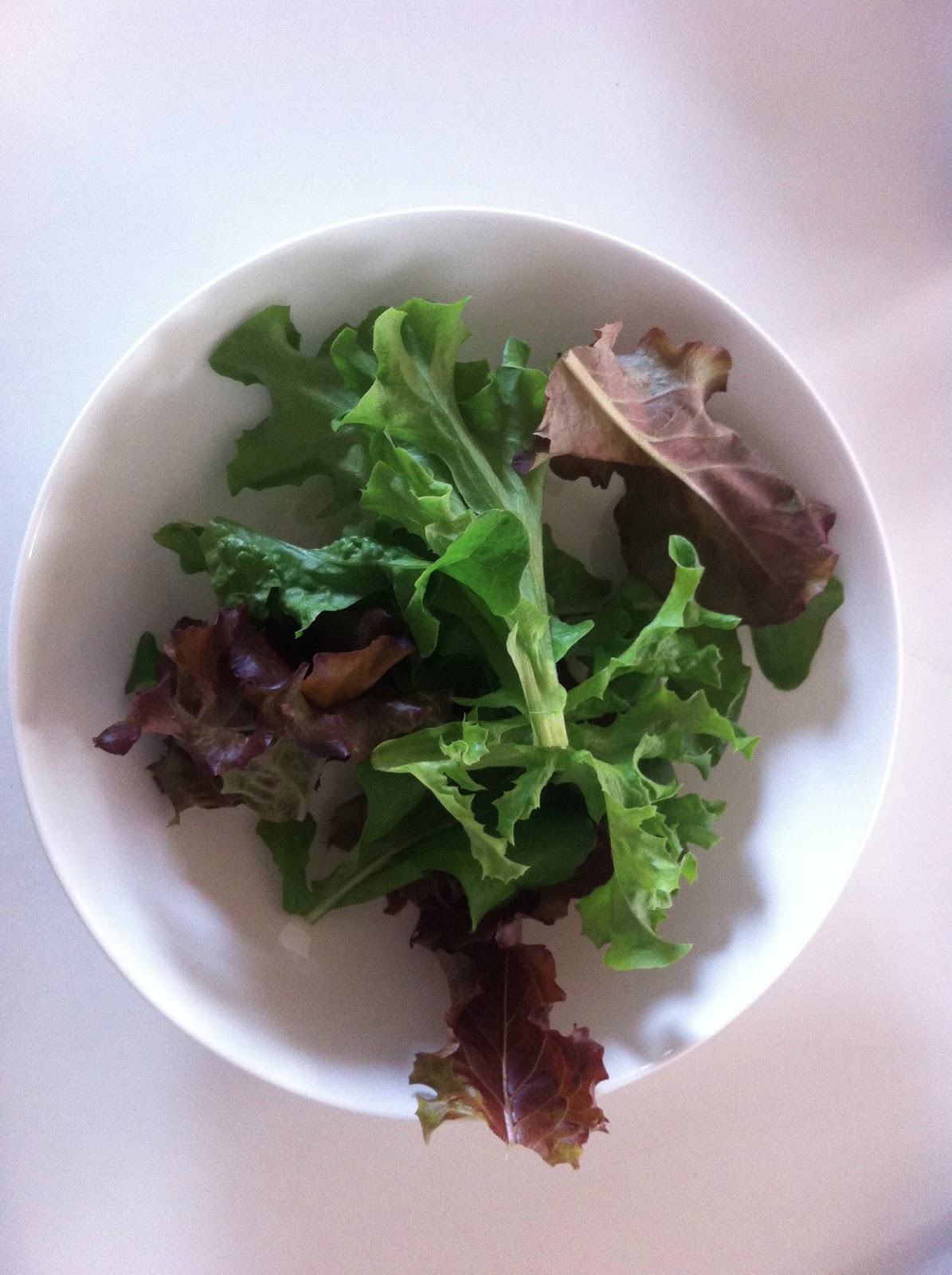
The Elwood balcony harvest was not abundant. Rosemary and basil flourished in the hot weather and assiduous watering and are still hanging in there as the weather cools, although basil is looking slightly peaky. Thyme is on our side, and has made some kind of amazing rallying from death move and is looking good. Alas, life was not kind to the lettuce and the aubergine. The aubergine was afflicted with two kinds of fly: green and white and pyrethrum came too late. The flowers which held so much promise are no more. And as for the lettuce … a couple of good salads and then something ate the rest of my crop. And by something, I don’t mean an insect. I mean something with teeth. Decimated overnight. I’m thinking possum. 


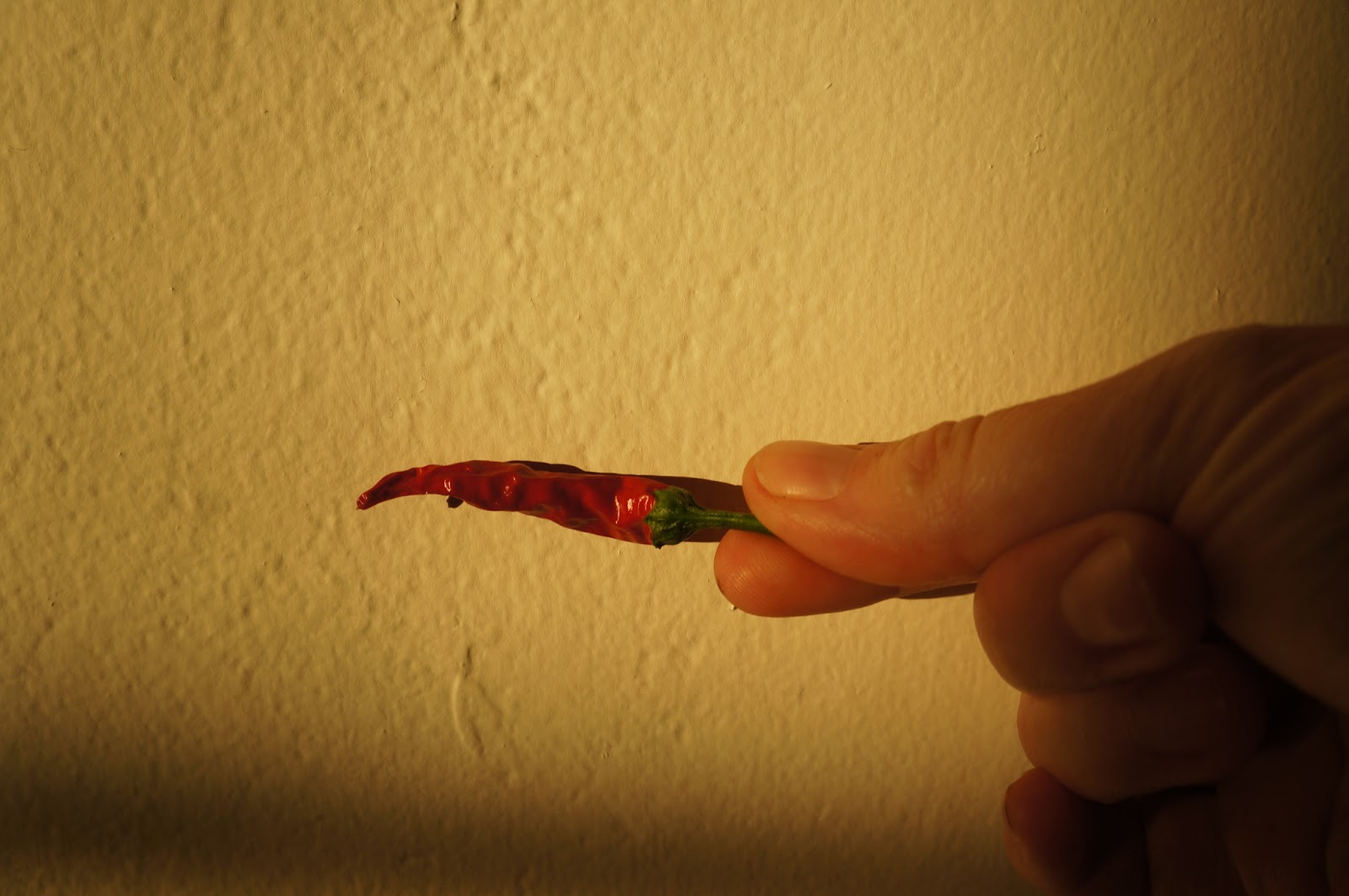
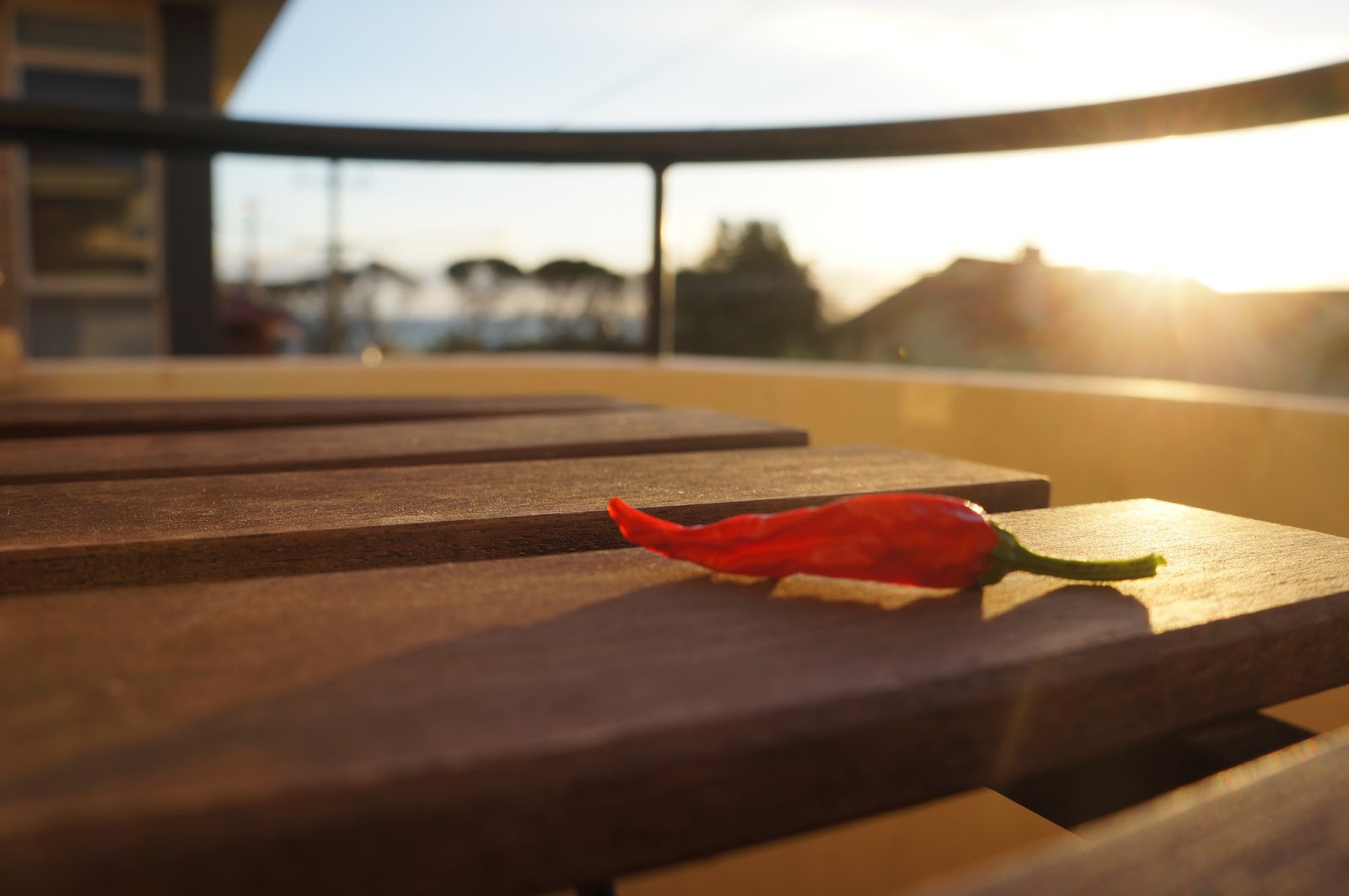
But the chilli plant. That tenacious star of a chilli plant has borne many fruit and spiced up many dish with its fresh kick of heat, better than any store-bought version. At the risk of sounding like a proud parent or one of those people who refer to their pets as fur children, I am very impressed with my little chilli plant. And, alarming as it may well be to take portrait shots of a fruit, well, it really does glow with a light all its own. 

It’s not only me who gives perhaps just a bit too much power to this tiny seeded claw.

“Chili, spice of red Thursday, which is the day of reckoning. Day which invites us to pick up the sack of our existence and shake it inside out. Day of suicide, day of murder.”
Chitra Banerjee Divakaruni, The Mistress of Spices

Just saying.


fromage

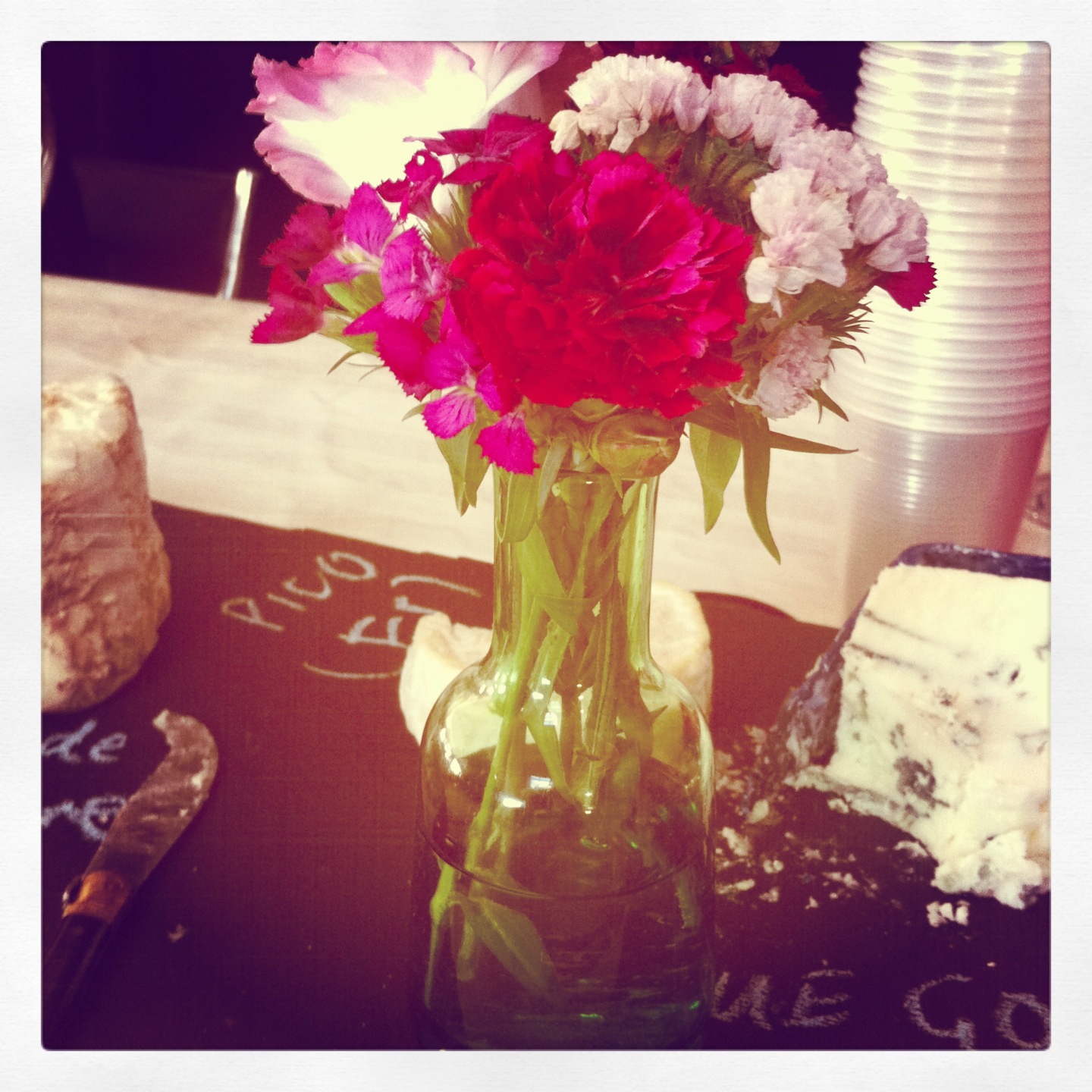
Cheese in a warehouse. It’s the stuff dreams are made of. Well, I’ll admit, it’d be a strange kind of dream that featured an old warehouse in Collingwood and a vast array of cheese, but nonetheless,  for a cheese-lover, it was, indeed, a dream come true.

I have now been to several eatwithme events in Melbourne. In fact, I have just nervously posted my own event and I am waiting to judge myself and my popularity and in fact, my sense of self and my place in the world on whether people want to come along, but I digress… There have been many occasions where the lovely people from eatwithme have created events to bring others together over food. I have to say, cheese is the winner at the end of the day. Tell people to bring cheese and wine and they come in their droves.

Sunday afternoon in a very quiet street in Collingwood, cheesiness abounded. There were a lot of French cheeses, some Italian, a fair representation of Australian cheeses, to my shame, no New Zealand samples and a particularly delicious Welsh blue. Creamy, hard, tangy, pungent. Audible gasps of cheese-eating pleasure.

Délicieux!

12 apostles

Sometimes I can understand why people like to think that teachers have an easy time. All those holidays. Short days. School camps in amazing places. And, as a French teacher, trips to France. I want to add a but to all those things, as teachers do. However, now is not the time, considering I am now on holiday and a week ago I got to spend three days in an incredible part of Victoria.

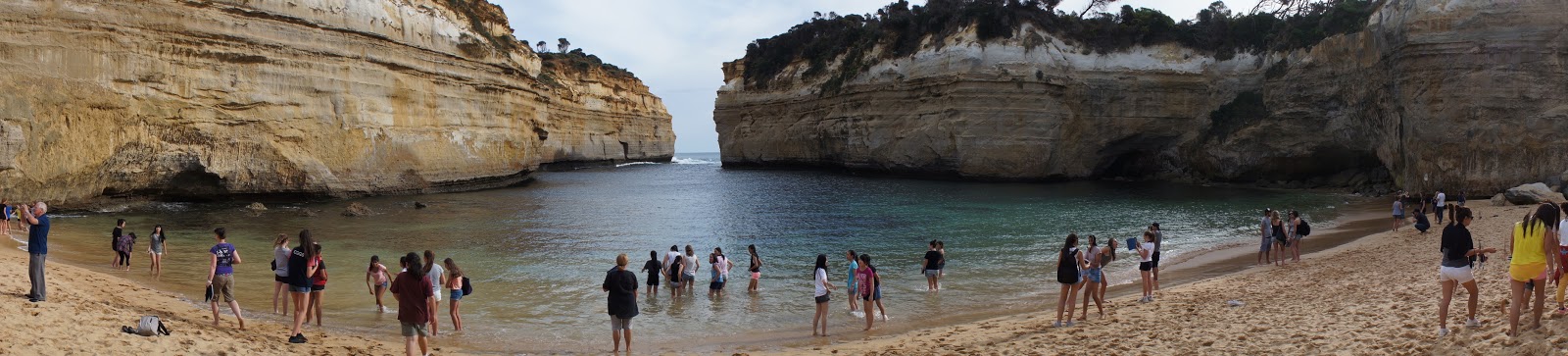
The Great Ocean Road is an Australian heritage listed stretch of road which runs for 243 kilometres between Torquay and Warrnambool. The road was built by returned soldiers between 1919 and 1932, and is the world’s largest war memorial; dedicated to casualties of World War I.

Of greatest tourist appeal are the limestone stacks dubbed the Twelve Apostles in 1922. The formations were originally known as the Sow and Piglets but it was believed the Twelve Apostles had more of a ring to it, despite there only ever being nine stacks.

 This stretch of coastline is also known as the Shipwreck Coast. There are approximately 638 known shipwrecks along Victoria’s coast,although only around 240 of them have been discovered. The Historic Shipwreck Trail along the Shipwreck Coast and the Discovery Coast shows some of the sites where gales, human error and, in some cases, foul play caused these vessels to be wrecked.

 Loch Ard Gorge is the site of possible one of the more cinematic and romantic shipwrecks. The Loch Ard was wrecked at Mutton Bird island after months at sea from England. The only two survivors of the wreck were Eva Carmichael, who survived by clinging to a spar for five hours, and Thomas (Tom) R. Pearce, an apprentice who clung to the overturned hull of a lifeboat. Tom Pearce came ashore first, then heard Eva’s shouts and went back into the ocean to rescue her.


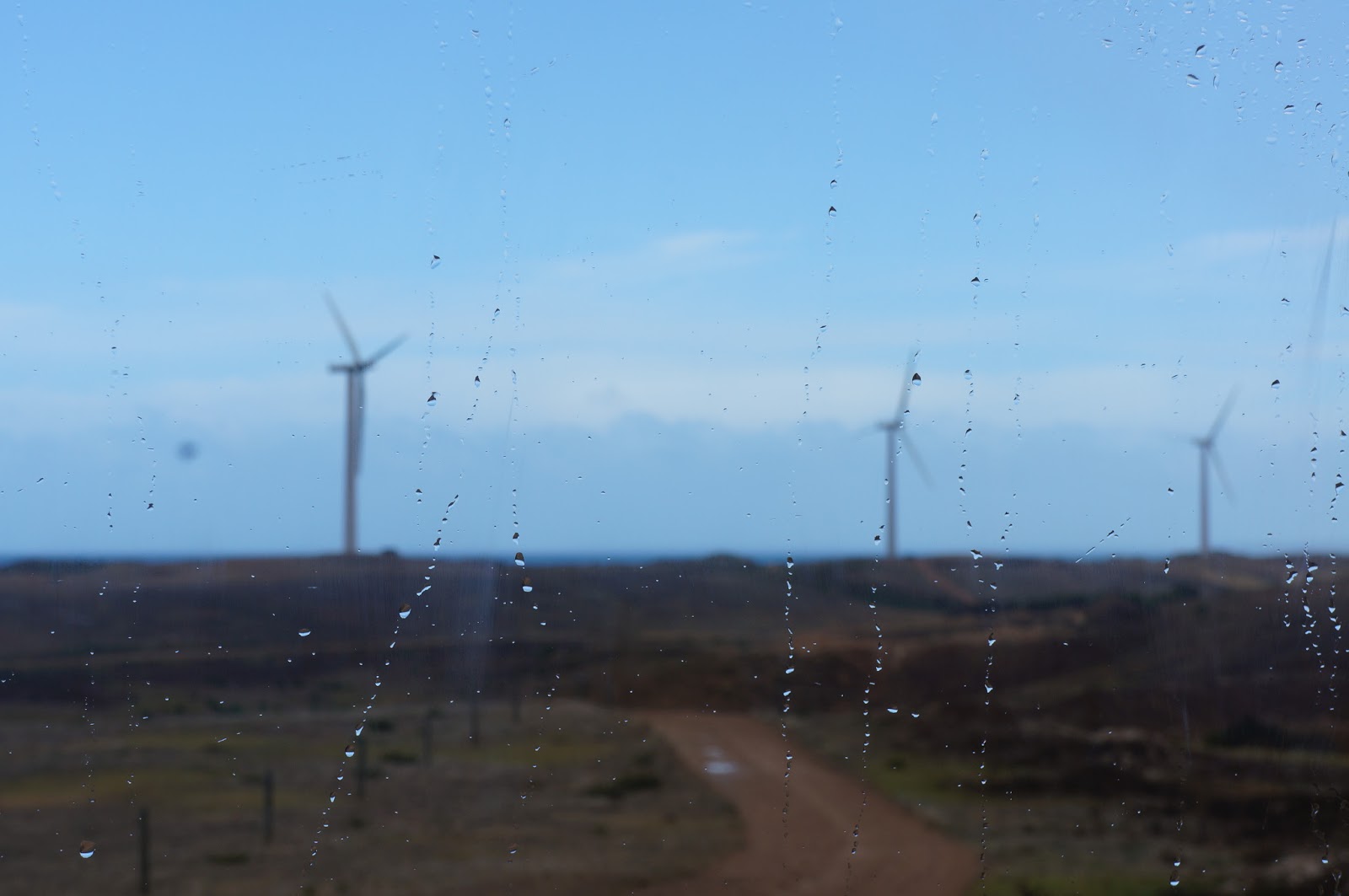
A magnificent stand of wind towers dots the coastline near Port Fairy. The Codrington Wind Farm was the first, and at the time of construction, largest wind farm in Victoria. The 34 towers, like sentinels of the coastline, generate 54 GWH annually.

They are an impressive sight and, like much in life, beautiful and mesmerising from a distance, slightly more overwhelming and noisy up close.

due diligence

“It is wrong always, everywhere, and for anyone, to believe anything upon insufficient evidence.” William Kingdon Clifford, 19th Century British mathematician and philosopher.

Free thought. Not being constrained by dogma, be that religious, traditional or general social and political authority. The idea that opinions should only be formed based on scientific evidence and logical principles, and not on blind faith or rules which had been set up and adhered to without question and no longer had any place, if ever they did have. The so-called freethinkers who emerged in the sixteenth century were those who opposed the dogma of the church. This opposition to unflinching paradigms saw an embracing of humanism, human rights, tolerance of others and their viewpoints and would evolve into racial and gender equality.

I had some unformulated, possibly contradictory and yet pressing thoughts when I saw the sticker on the lampost.

Can we ever really have free thought? Can we really form ideas that are not influenced by our cultural milieu, our upbringing, our education, the weight of those that have gone before us? I understand that the free part means that we have been given the green light to do so. To question the validity of opinions, hold them up to the light of logic, make them pass the evidence test. But free is a bold claim, and, if everything has to be looked at askance and made to jump through hoops and tick all the boxes before we will believe it, is that really free? Because what about gut instinct, intuition versus over-thinking? Sometimes we know something, just because we know. Is that whimsical nonsense? Or could there be dogma, free thought and intuition as three different stickers to be stuck on the telegraph pole?